Author: Daniel Group
July 6th, 2026
Some shortcuts that are frequent during industrial maintenance initially seem acceptable. A blower impeller is renewed, a motor is repaired, or a rotor is rebuilt and put back into operation without being properly balanced. The machine operates as it should, and manufacturing resumes.
Until the issues start to arise.
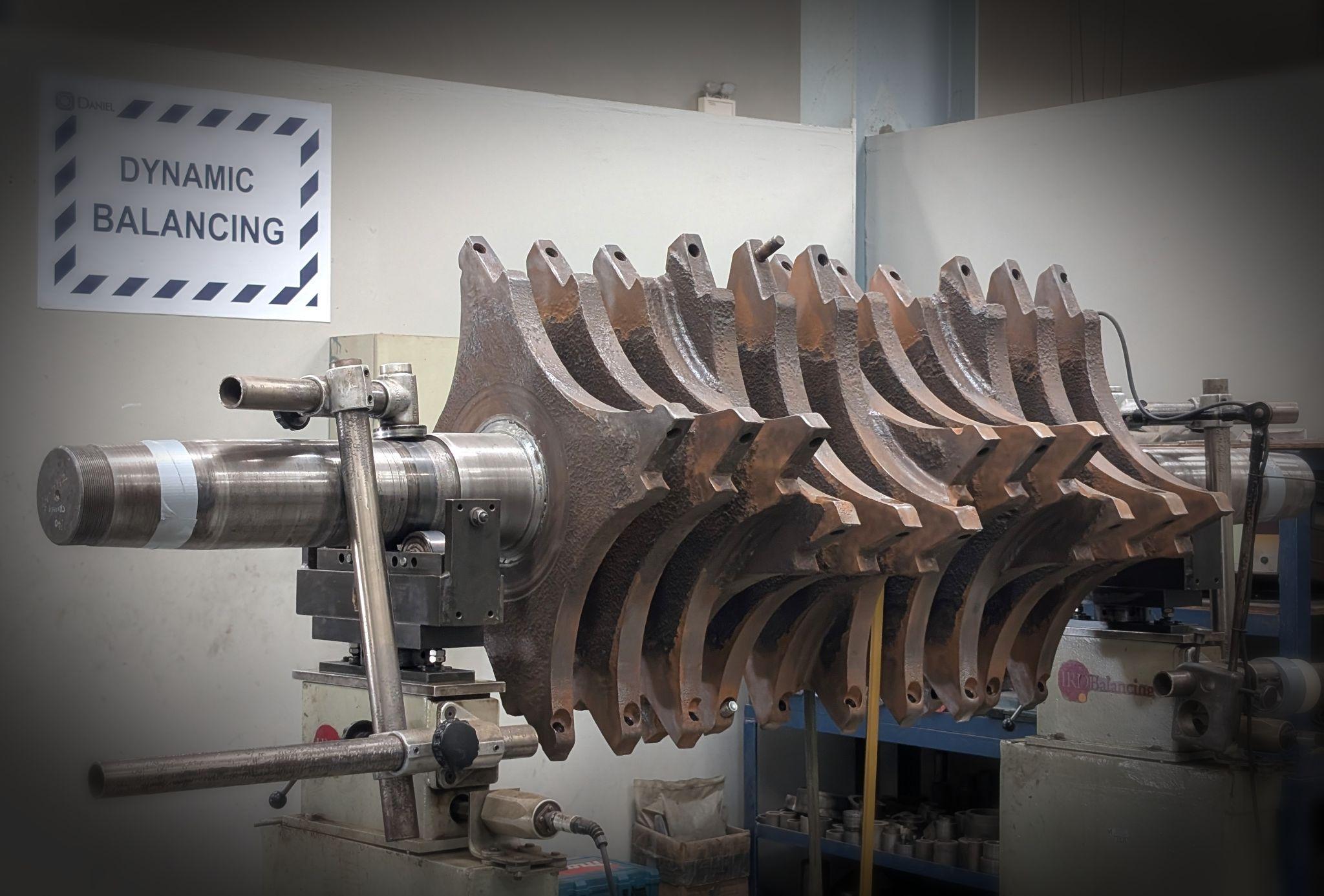
In reality, dynamic balancing of rotating machinery is an important last step. This crucial engineering process directly impacts reliability, efficiency, and equipment longevity. When balancing is neglected to save time or cut expenses, the effects rarely remain within the workshop. Rather, they are passed on to the final user, who ultimately becomes responsible for paying for expensive repairs, downtime, and malfunctions.
Each rotating component has a centre of mass. An imbalance arises when that mass is not distributed uniformly along the rotational axis. Even a slight imbalance can produce large vibration forces as rotational speed increases.
This is why dynamic balancing of motors, blowers, pumps, turbines, and other rotating equipment is of critical importance – performed after every manufacturing, repair, or refurbishment process. To understand how it differs from static balancing, read our guide on the difference between static and dynamic balancing.
Common components that require balancing include:
The objective of dynamic balancing is always the same: remove mass imbalance that causes vibration before the machine is put back into service.
At first, the machine might seem normal and appear to be operating as intended. Unbalanced forces, however, continue to act on bearings, shafts, couplings, and foundations every second the equipment is running. This results in a chain of events that eventually leads to the complete collapse of the machinery.
The immediate, noticeable symptom is increased vibration. High vibration levels can result in:
Maintenance teams will often spend months trying to find the cause of excessive vibration without realising the root cause was an unbalanced rotor. See our article on common electric motor failure causes – vibration from imbalance is among the most frequent.
The bearings in a machine are designed to handle specific loads. An unbalanced rotor creates continuous radial forces that bearings were never intended to absorb. This leads to:
Proper dynamic balancing of rotating machinery can stop these issues from becoming a recurring maintenance problem. Learn more about on-site bearing replacement for large kW motors.
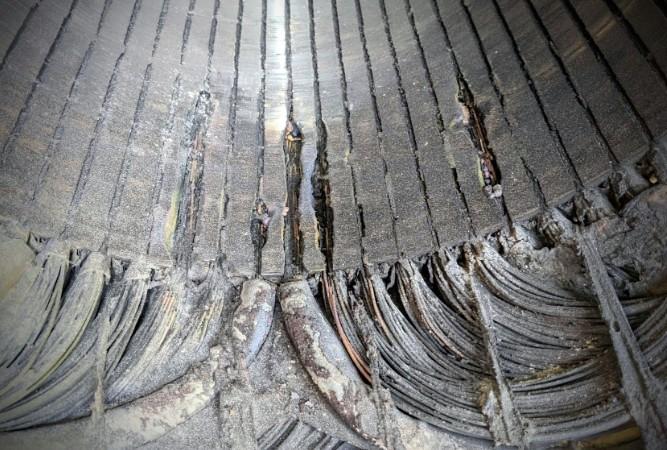
The unbalanced rotor exerts cyclic stresses on the whole rotating assembly. Over a period of time, these stresses can trigger:
In extreme cases, the entire rotating assembly might need to be replaced well before the expected service life. Read our comprehensive electric motor overhauling procedure guide to understand how balancing fits into a complete overhaul.
The consequences of poor balancing practices often affect the end user. A workshop can reduce time and labour by skipping the rotor dynamic balancing procedure, but the resulting residual imbalance leads to further problems that can eventually cause complete breakdown. In the end, the cost savings made during servicing often lead to much higher operating and maintenance costs for the equipment owner.
These costs often include:
If not addressed in time, these issues quickly become operational and financial headaches for plant managers and maintenance teams. A structured preventive maintenance programme that includes routine balancing checks is far more cost-effective than reactive repairs.
A machine that is expected to run smoothly for years might have to be shut down frequently for repairs if the blower fan is not dynamically balanced. Similarly, an impeller that has not been dynamically balanced can produce excessive vibration, impacting not only the impeller but also the system’s overall performance and reliability.
Many organisations focus only on the immediate cost of a repair and overlook the long-term benefits of proper balancing. When done correctly, a professionally executed dynamic balancing service can help:
In other words, dynamic balancing of rotating machinery is one of the most cost-effective ways to protect machinery and maximise return on investment. After balancing, a no-load performance test should always be conducted to confirm the machine is ready for service.
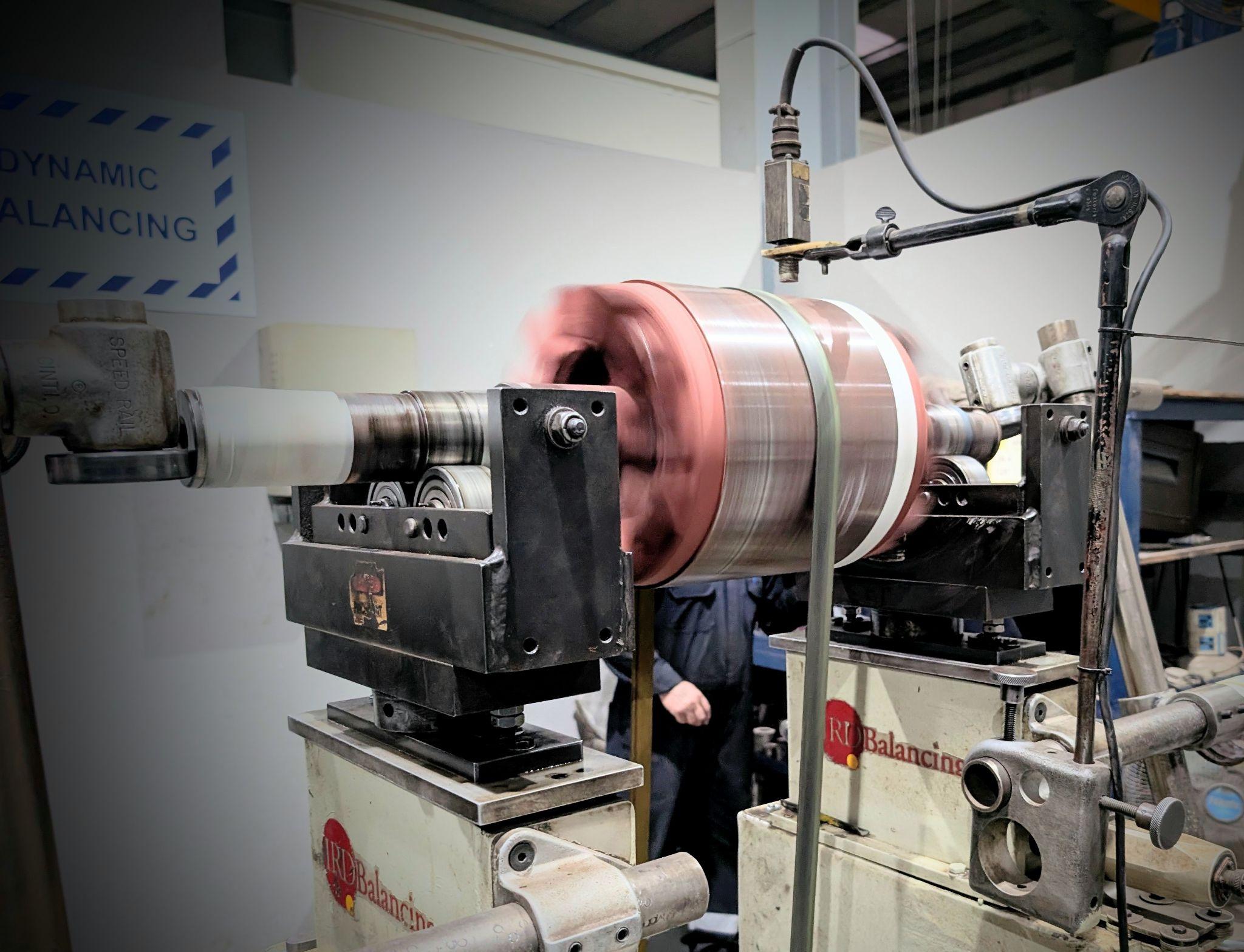
The final dynamic balancing procedure determines the quality of the repair when it comes to rotating machinery. At Daniel Group, we are aware that plant operators and maintenance engineers rely on dependable equipment to maintain smooth operations. That is why every overhaul and repair is backed by expert balancing techniques intended to return equipment to peak performance.
Our staff has the knowledge, resources, and experience to provide consistent outcomes whether you need dynamic balancing of rotating machinery, blower impeller balancing, turbine rotor balancing, or full rotating equipment overhauls. Explore our dedicated dynamic balancing service page to learn more about our capabilities.
Don’t let a missed balancing process result in a premature breakdown of your machinery. Get in touch with Daniel Group right now to learn how precision balancing can safeguard your most important machinery, increase dependability, and save downtime.