Author: Daniel Group
September 8th, 2026
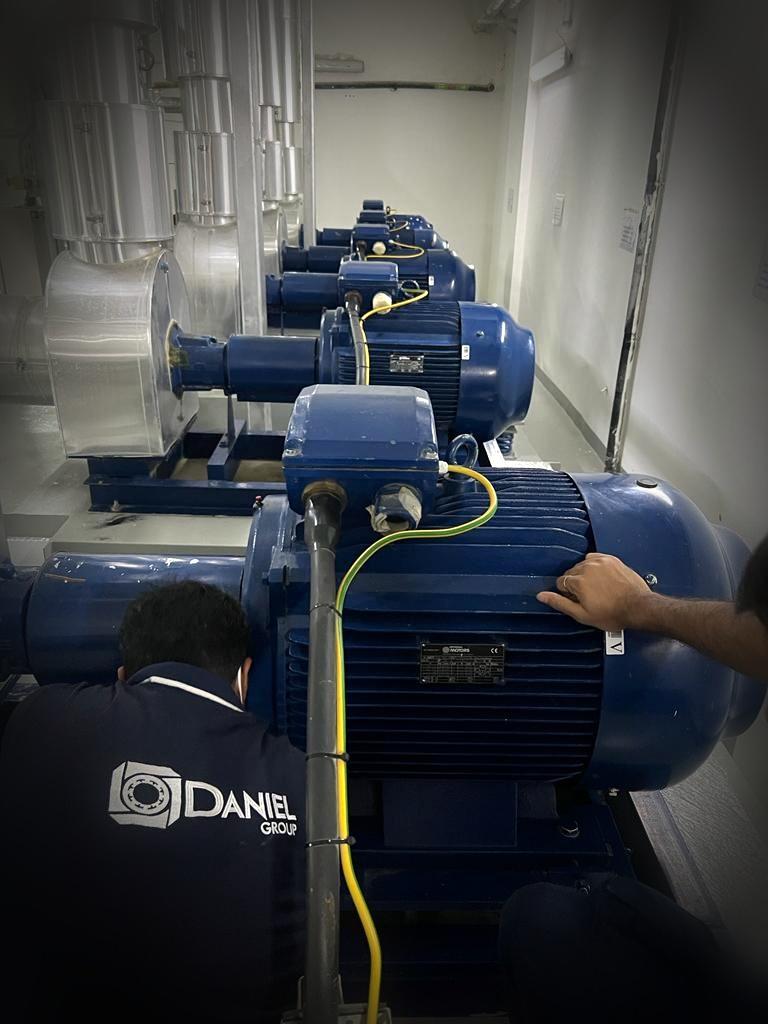
A chilled water pump is an important component of many HVAC and industrial cooling systems. When a chilled water pump motor malfunctions, the impact can be far more severe than the pump itself. Cooling performance drops, equipment temperatures can rise, and an unplanned shutdown can rapidly develop into a costly maintenance issue.
Understanding the most common causes of chilled water pump motor failure helps maintenance personnel identify early warning signs and prevent unnecessary breakdowns.
What this guide covers:
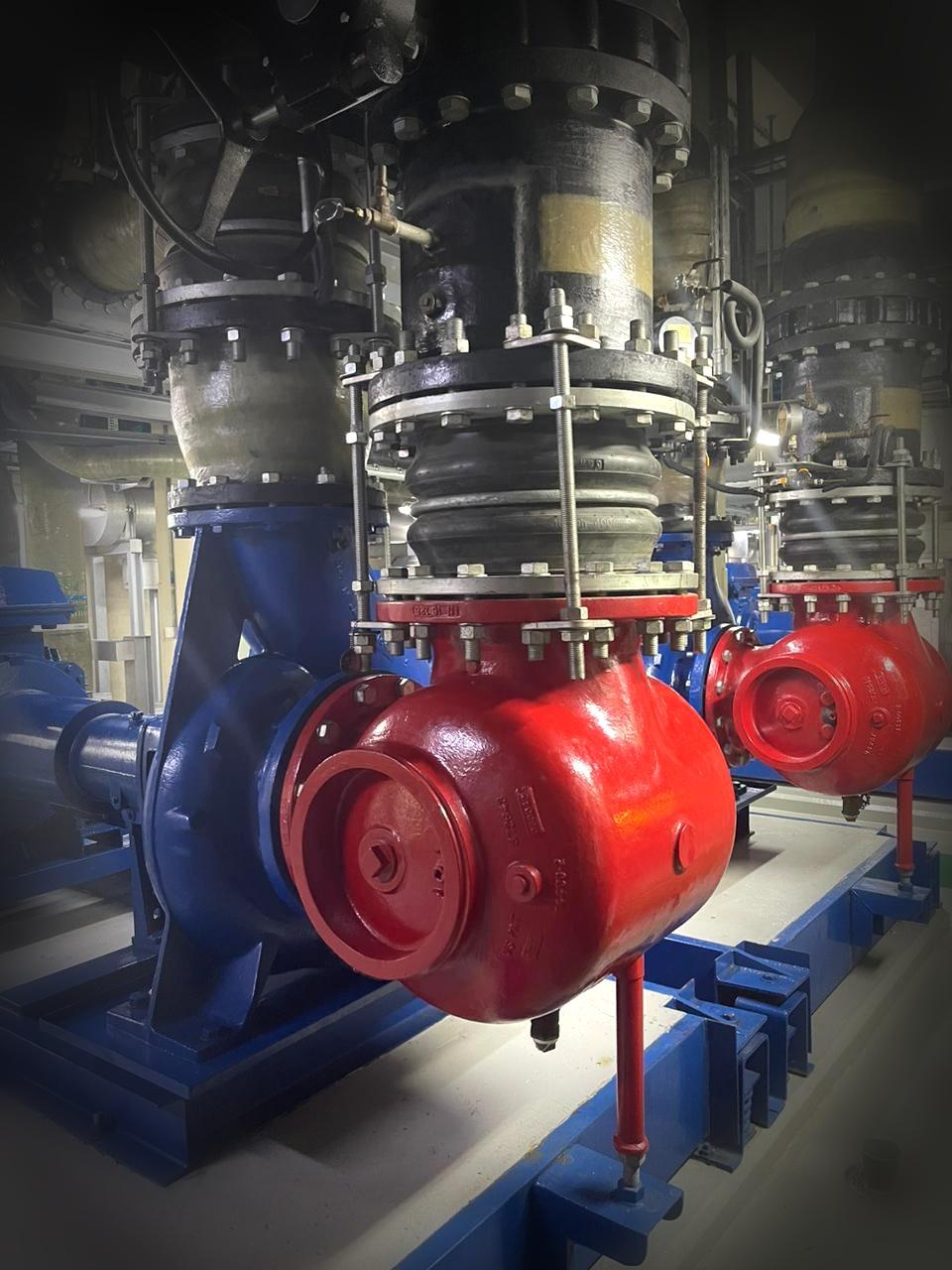
CWP motor overheating is one of the most common problems maintenance teams encounter. Overheating can shorten bearing life, damage winding insulation, and possibly result in complete motor failure.
It is not beneficial to disregard a motor that constantly operates hotter than its normal operating temperature. Inspecting operational current, ventilation, bearings, and load conditions can help expose the underlying issue, thereby preventing permanent damage.
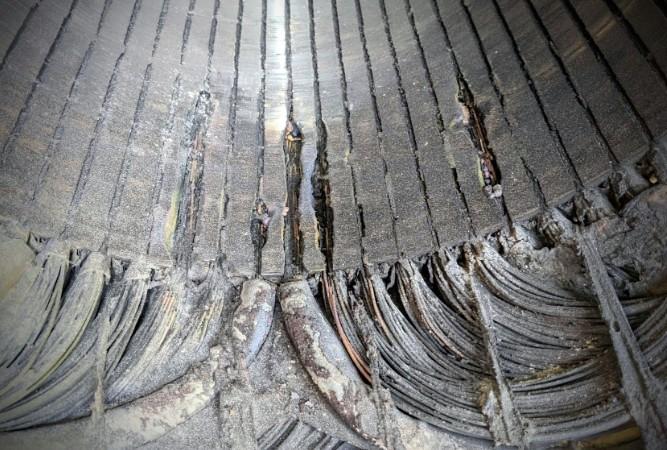
Electrical faults are another significant factor contributing to CWP motor failure. Issues such as phase loss, insulation deterioration, loose connections, and voltage imbalance can put excessive stress on the motor windings.
A relatively minor voltage imbalance can cause increased heat generation within the motor, which can result in a significantly greater current imbalance.
Regular inspections should be conducted by maintenance staff for:
Reliable motor functioning requires a stable electrical supply and well-configured protection devices.
Bearings support the rotating shaft and allow the motor to operate smoothly. Friction increases when bearings wear out or when lubrication is inadequate. Heat, vibration, and higher levels of mechanical stress are produced as a result.
Unusual noise, excessive vibration, and increased motor temperature are common warning indicators.
Early detection of bearing damage can make the necessary repair for the chilled water pump motor relatively simple — in many cases a straightforward bearing replacement. However, if bearing failure is disregarded, it can cause damage to the shaft, housing, or other related parts.
The pump and motor have to operate within the correct alignment. Shaft misalignment can put excessive stress on couplings and bearings, causing premature wear.
Additional mechanical problems might consist of:
Accordingly, an ideal chilled water pump motor maintenance schedule should include routine alignment checks and vibration monitoring.
Cavitation takes place when vapour bubbles form and rupture inside the pump as a result of inappropriate pressure conditions. The consequent vibration and hydraulic instability could send additional loads to the motor, even though it primarily affects the pump.
The issue could possibly be made worse by inappropriate system operation, blocked strainers, poor suction conditions, and incorrect flow rates.
A motor should not always be treated as the source of the failure. It is important to evaluate the pump, coupling, and chilled water system as a whole.
Certain issues with chilled water pump motors develop gradually and present a fair amount of warning signs before they break. However, when equipment appears to be functioning normally, routine checks are frequently put off.
A preventive maintenance program should include:
Additionally, condition monitoring can aid maintenance personnel in spotting degradation before it leads to an emergency shutdown.
Not every motor problem requires immediate replacement. Chilled water pump motor repair can involve bearing replacement, rewinding, insulation treatment, alignment correction, or other component-level maintenance, depending on the condition and degree of damage.
With the aid of a thorough inspection and mechanical and electrical testing, it can be determined whether repair, motor overhaul, or replacement is the best course of action.
Overheating is the problem maintenance teams meet most often. It is usually driven by motor overloading, blocked ventilation, high ambient temperatures, poor lubrication, frequent starts and stops, or incorrect operating conditions — and it shortens bearing life and damages winding insulation long before the motor finally stops.
Unusual noise, excessive vibration and a motor running hotter than its normal operating temperature are the classic indicators. Rising running current and deteriorating insulation resistance readings point the same way, which is why temperature, current and vibration are worth trending rather than checking once.
Yes. A relatively minor voltage imbalance generates extra heat inside the motor and can produce a significantly greater current imbalance, placing sustained stress on the windings. Checking terminal connections, supply voltage, phase balance and overload protection catches it early.
No. Cavitation, blocked strainers, poor suction conditions and incorrect flow rates primarily affect the pump, but the resulting vibration and hydraulic instability transfer additional load into the motor. The pump, coupling and chilled water system should all be evaluated before the motor is blamed.
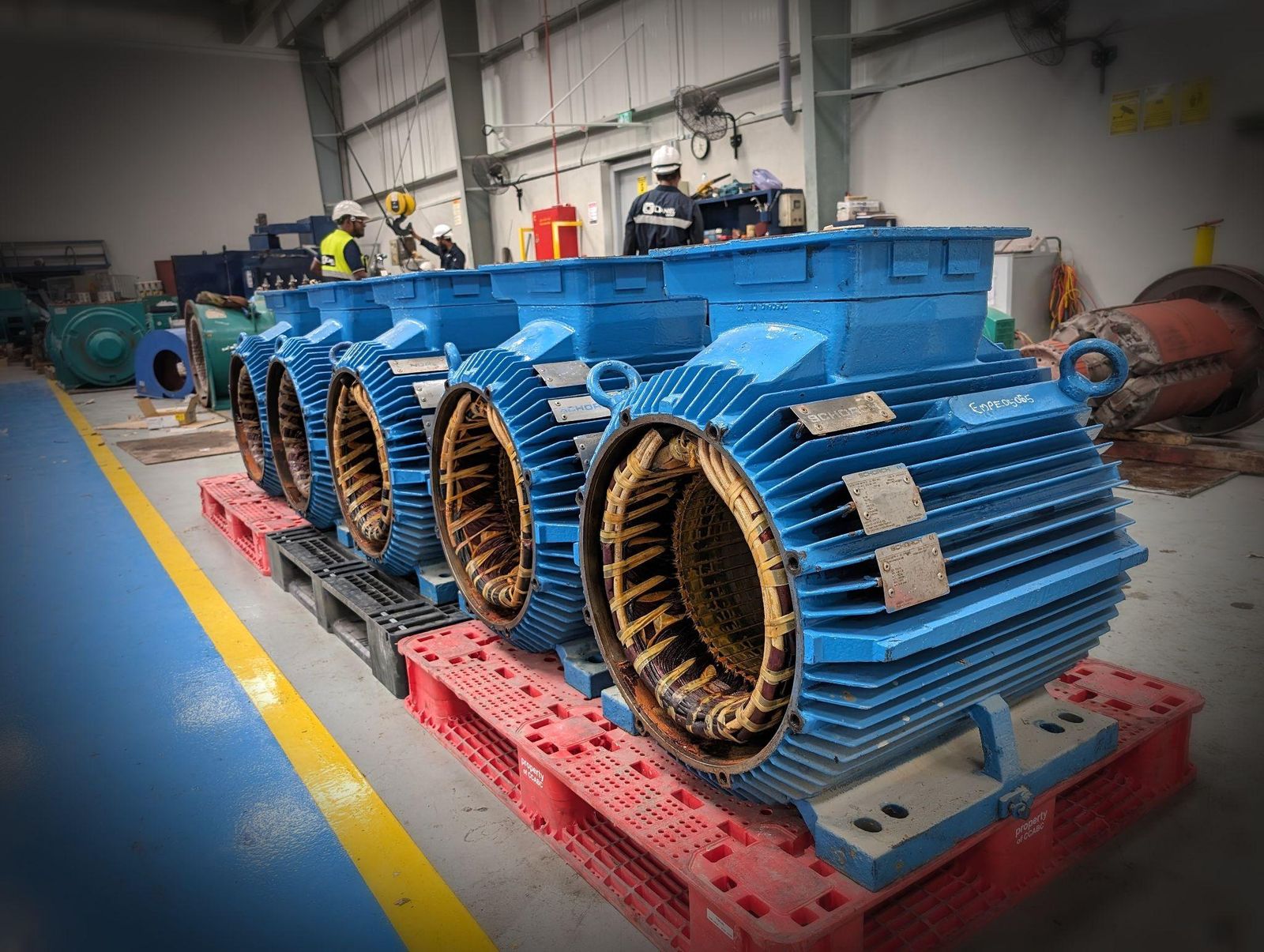
A failed CWP motor can disrupt cooling operations and put additional pressure on maintenance teams. The good news is that preventative maintenance, timely testing, and thorough inspection can help prevent a lot of problems.
At Daniel Group, we work with commercial and industrial maintenance teams to identify motor issues, perform dependable repairs and overhauls, and help with the safe and effective restoration of vital equipment — from chilled water pumps to cooling tower gearbox motor units and wider pump and gearbox repair.
Do not wait for a plant shutdown to occur from a CWP motor failure. Partner with Daniel Group for dependable motor inspection, repair and maintenance support.