Author: Daniel Group
September 16th, 2026
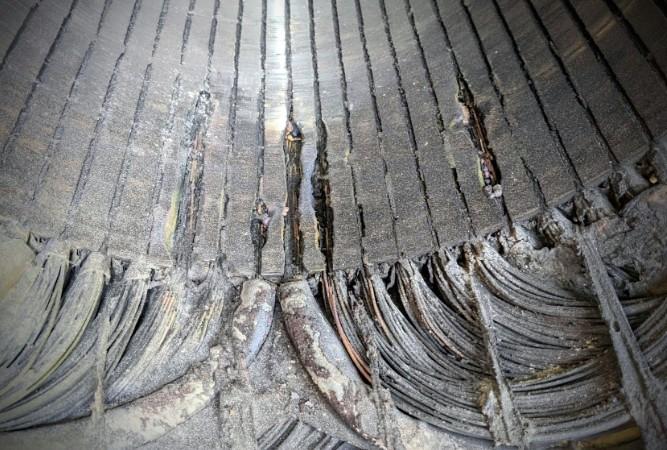
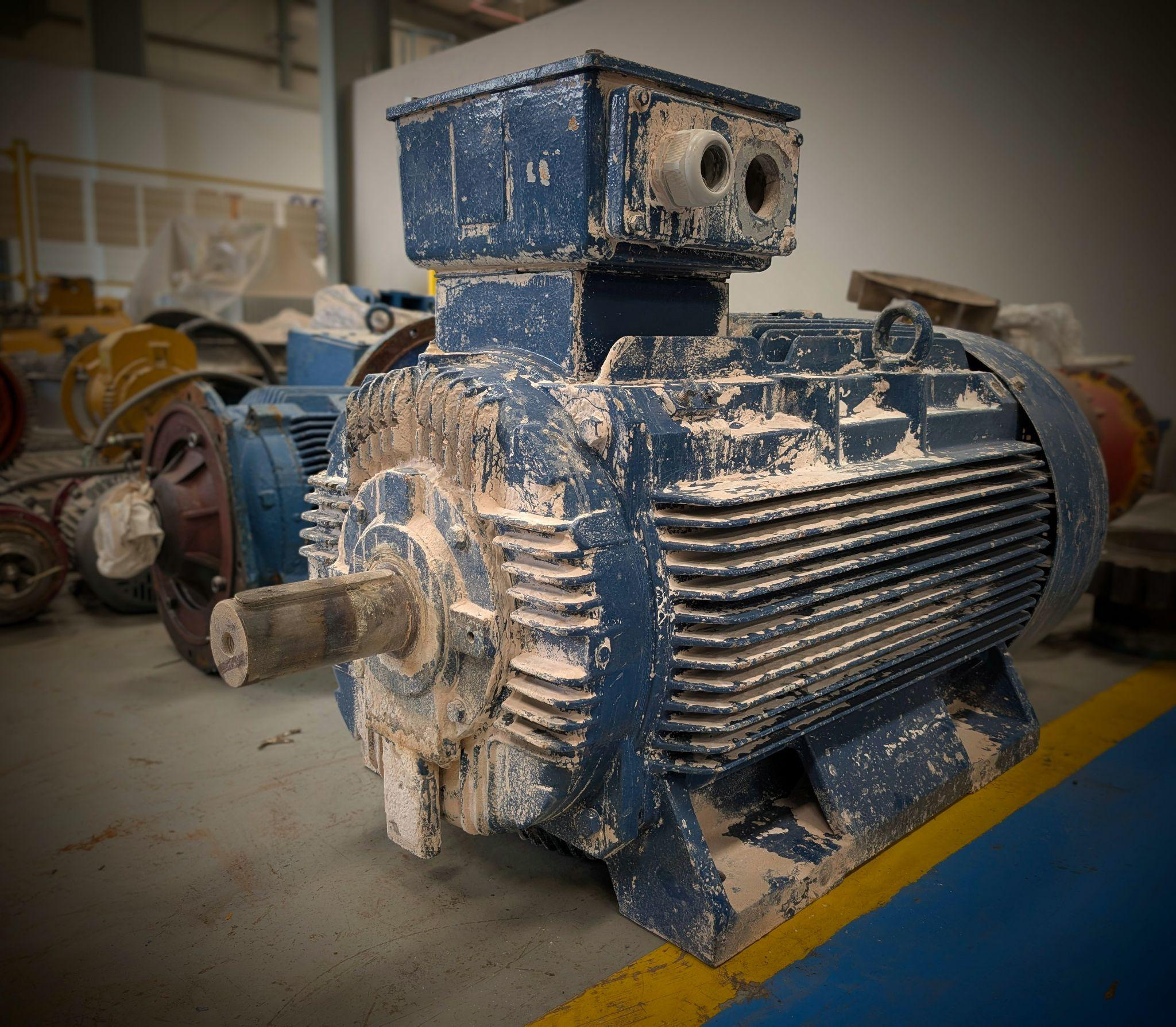
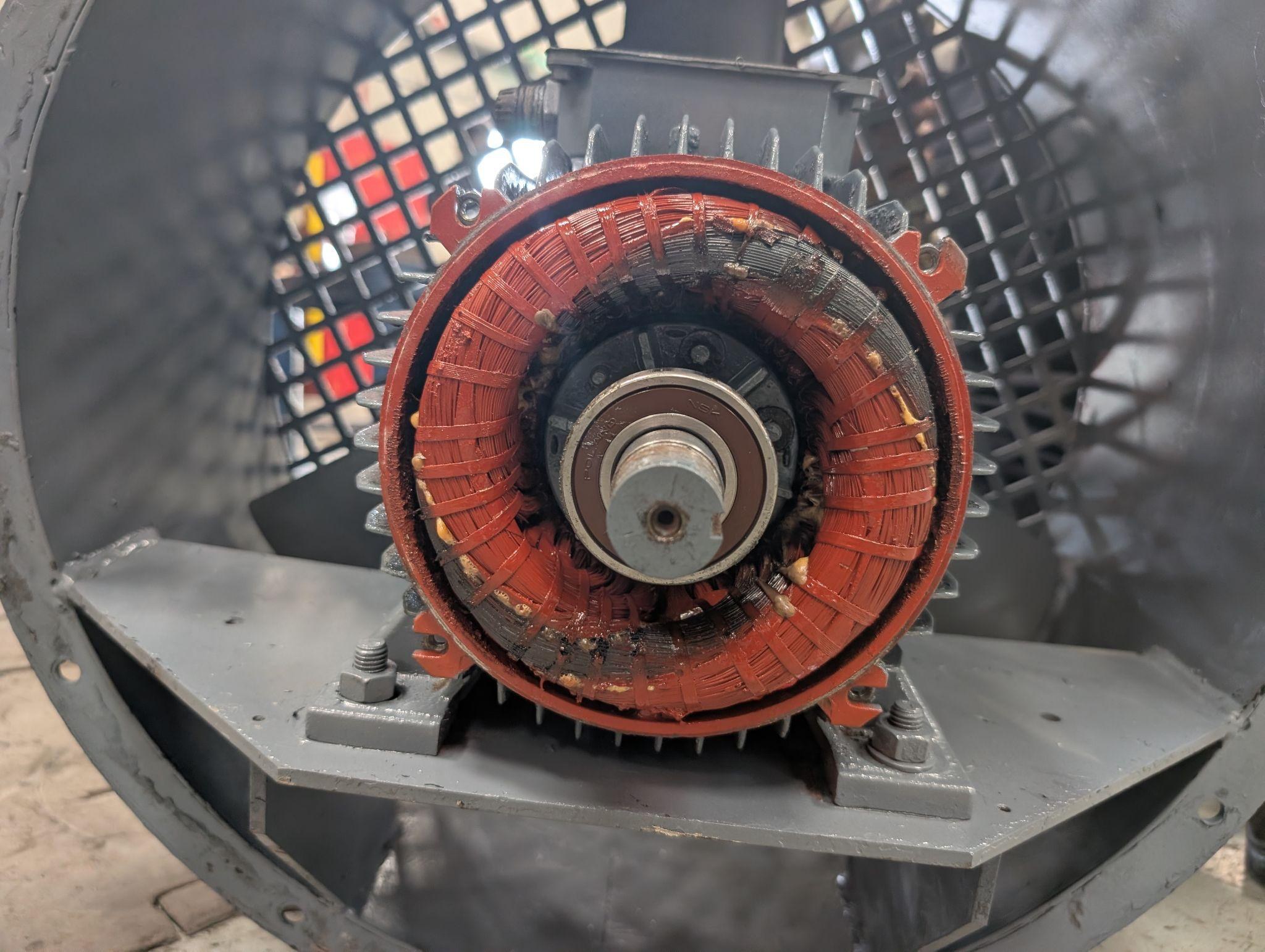
A motor breaks down. The windings are burnt, and the unit is sent to be rewound. After repair, the unit is ready to be returned to service. Then, as soon as it is put into operation, the motor breaks down again.
This can be very frustrating for maintenance teams, especially if the same motor has been rewound more than once. But before blaming the quality of the rewind, a different question needs to be asked: Was the actual cause of the original failure ever identified?
A common cause of motor failure after rewinding is single phasing. And in many cases, the issue isn’t with the motor itself. It is an unresolved electrical or installation problem that should have been identified during troubleshooting.
A three-phase motor is dependent on three phases of electrical power to function correctly. The motor will remain capable of functioning if one phase is lost, but it will no longer be fed with a balanced electrical supply. The motor will continue to run, but only under certain conditions.
This is known as single phasing in motor operation.
Several things can cause a phase to be lost:
The motor might keep running, and consequently, the problem can be overlooked. But the other phases might carry excessive current. This will cause the windings to heat up quickly, which in turn can lead to insulation damage, winding burnout, and eventually motor failure.
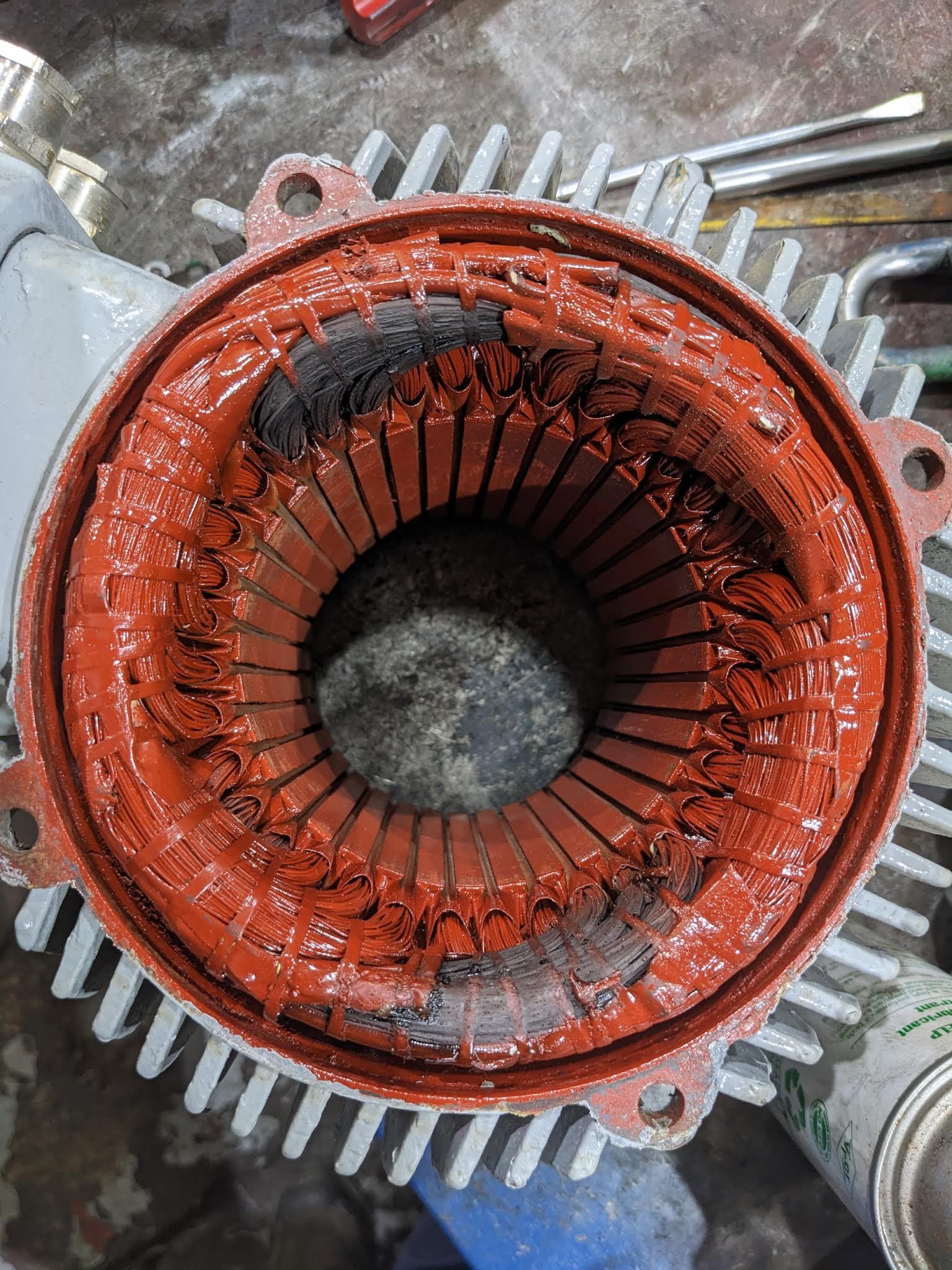
Consider a motor that has undergone prior winding damage. The motor is returned to operation after the windings are rewound.
However, the original issue can still exist if the electrical team fails to inspect the incoming supply, phase balance, connections, and protection devices.
The sequence then becomes:
Phase loss → excessive current → overheating → winding damage → motor failure → rewinding → same electrical fault → motor failure again.
For reasons like this, a motor rewind failure does not always indicate that the rewinding was done incorrectly.
The motor might have been restored by the repair, but the problem that was causing the damage was never fixed.
Technicians should investigate beyond the motor terminals when examining a single-phasing failure in a three-phase motor.
Loose terminals can create resistance and heat. Over time, the connection can deteriorate further and eventually interrupt one phase.
A worn or damaged contactor may fail to make proper contact on one phase. The motor may be exposed to an imbalanced supply as a result.
A failed fuse or incorrectly functioning protection component can disconnect one phase while the other phases remain energised.
Phase loss can also result from an open circuit, improper termination, or damaged cables.
Phase loss or voltage imbalance can be caused by problems upstream of the motor. Simply testing the motor after installation may not be enough to identify an intermittent problem.
When motor windings are damaged, rewinding is a significant repair. However, it shouldn’t be viewed as the cure-all for every motor problem.
The technical team should look into the cause of the windings’ first failure before putting a rewound motor back into service.
This involves looking into the working conditions, overload protection, terminals, cables, contactors, phase voltages, current balance, and electrical supply.
Good motor maintenance focuses on correcting the cause, not just replacing the damaged component.
The first step in effectively preventing motor failure is accurate diagnosis. Maintenance teams can reduce the risk of repeat failures by:
Although a comprehensive failure investigation can initially take longer to complete, it could prevent repeat breakdowns, unnecessary rewinding costs, and unscheduled downtime.
Rewinding a motor might not be the solution if it keeps failing repeatedly. The recurring damage could be caused by single phasing, electrical imbalance, or another unresolved operating condition.
For maintenance engineers and plant technicians, the key lesson is simple: repair the motor, but look into the system. Good motor maintenance focuses on correcting the cause, not just replacing the damaged component.
We at Daniel Group are aware that a motor breakdown is rarely just a repair job. To get equipment back into dependable operation and prevent the same issue from happening again, proper diagnosis is important.
If your motors are repeatedly failing after rewinding, talk to Daniel Group about identifying the root cause and finding the right repair solution.