Author: Daniel Group
August 17th, 2026
Permanent magnet synchronous motors (PMSMs) are essential to modern lift and elevator systems for a single fundamental reason: they provide remarkable efficiency, smooth functioning, and accurate speed control. PMSMs are built with permanent magnets in the rotor, making them highly efficient. This also means that they are much more sensitive during overhaul and repair than traditional induction motors.
Because of this, a permanent magnet synchronous motor overhaul is never a typical workshop task. Even a minor error could lower the motor’s service life, impair its performance, or, in the worst situation, lead to complete elevator failure.
For maintenance engineers and workshop supervisors, understanding these risks is essential to ensuring passenger safety, equipment reliability, and long-term asset performance.
Instead of employing induced rotor currents, a permanent magnet synchronous motor for lifts uses strong permanent magnets. This design offers several benefits, such as:
But these same features also make PMSMs far less tolerant when it comes to disassembly, inspection, rewinding, and reassembly. Unlike the conventional motor types found across most industrial plants, a PMSM gives the workshop almost no room to absorb a mistake.
In contrast to ordinary motors, permanent magnet synchronous motor repairs require rigorous adherence to engineering specifications and specialised handling procedures at every stage.
Every overhaul involves a number of important steps, each of which demands meticulous attention to detail.
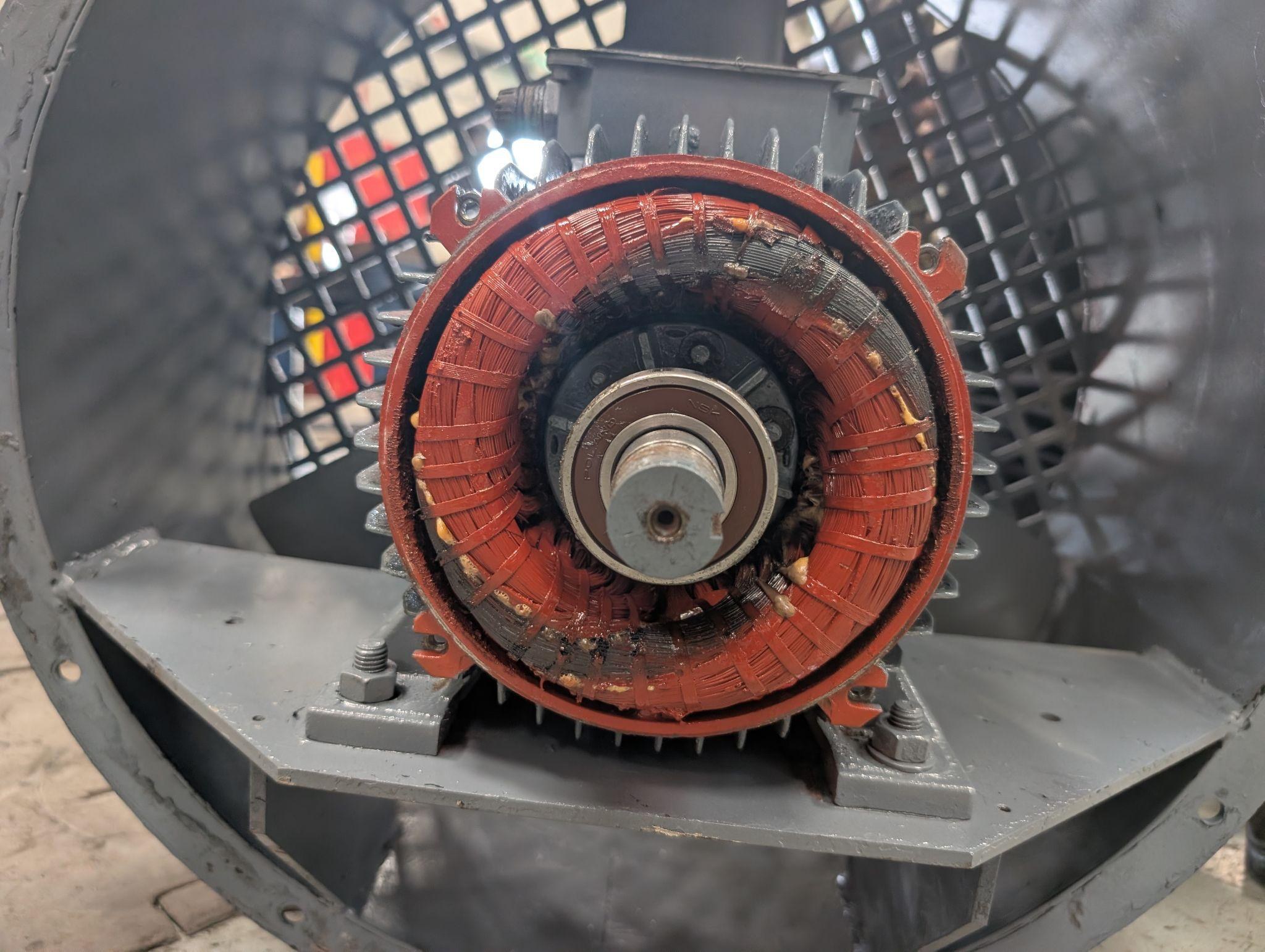
High-strength permanent magnets incorporated into the rotor are at risk of contamination, physical damage, extreme heat, and incorrect handling. Motor performance can be permanently diminished by any accident or loss of magnetic strength.
There is very little air space between the rotor and stator. Uneven magnetic forces, increased vibration, and decreased efficiency can arise from even small variations brought on by improper bearing installation, shaft alignment, or assembly.
Improper bearing fitting or incorrect preload can affect rotor alignment, which increases friction and puts the motor under unnecessary strain while it is operating.
At the end of the repair process, the rotor needs to be dynamically balanced to eliminate vibration. Even a slight imbalance can decrease the motor’s lifespan, produce excessive noise, and accelerate bearing wear.
A professional permanent magnet synchronous motor maintenance procedure includes vibration analysis, no-load testing, winding resistance measurements, insulation resistance testing, and performance verification. All of this is done before the motor is put back into service. Failures in the future are far more likely when these processes are rushed or omitted.
Unlike many industrial motors that will continue operating even with minor issues, PMSMs used in lift and elevator applications often provide very little margin for error.
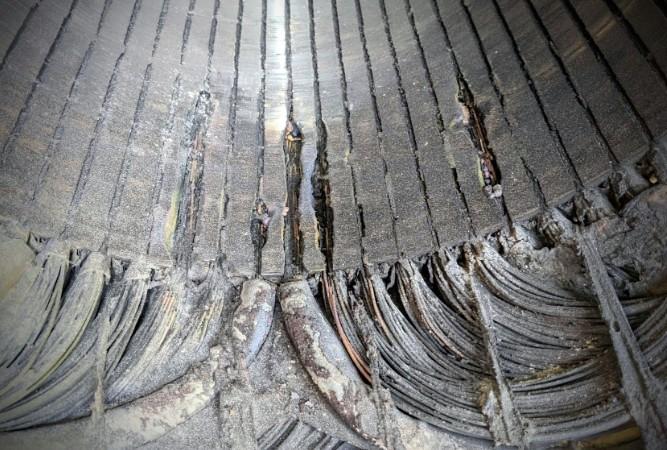
During an overhaul, even a small error could lead to:
These failures can result in unscheduled downtime, service interruptions, emergency call-outs, reputational harm, and inconvenience for building occupants in addition to repair costs. Reliability is of paramount importance in vertical transportation systems that are safety-critical.
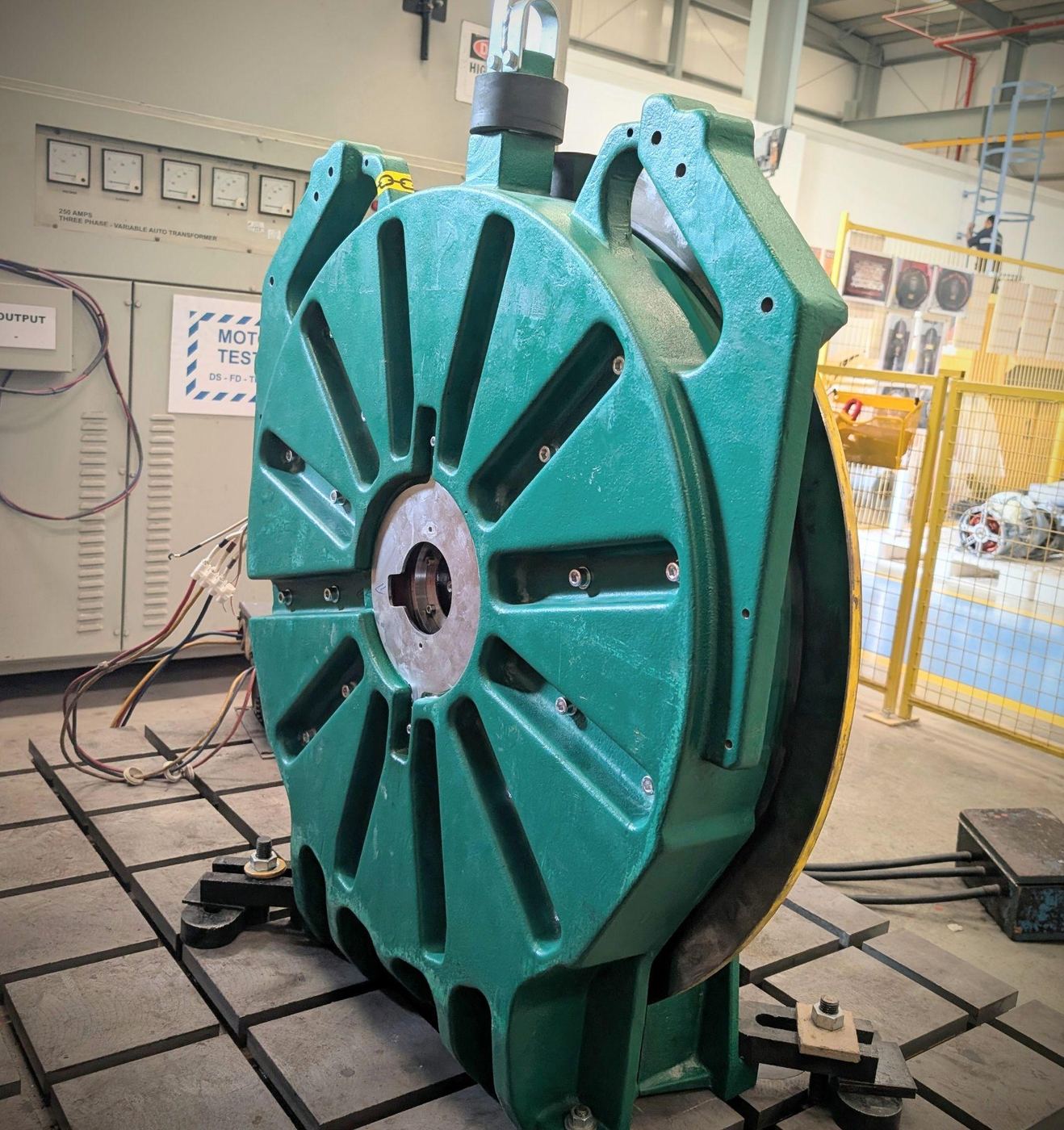
Successful lift and elevator motor repair requires far more than replacing worn components.
Experienced repair specialists understand the specific construction of PMSMs, the significance of maintaining original factory tolerances, and the specialised testing necessary to confirm performance prior to installation.
Professional overhaul procedures typically include:
Every stage is intended to guarantee that the repaired motor operates as dependably as it did prior to the malfunction.
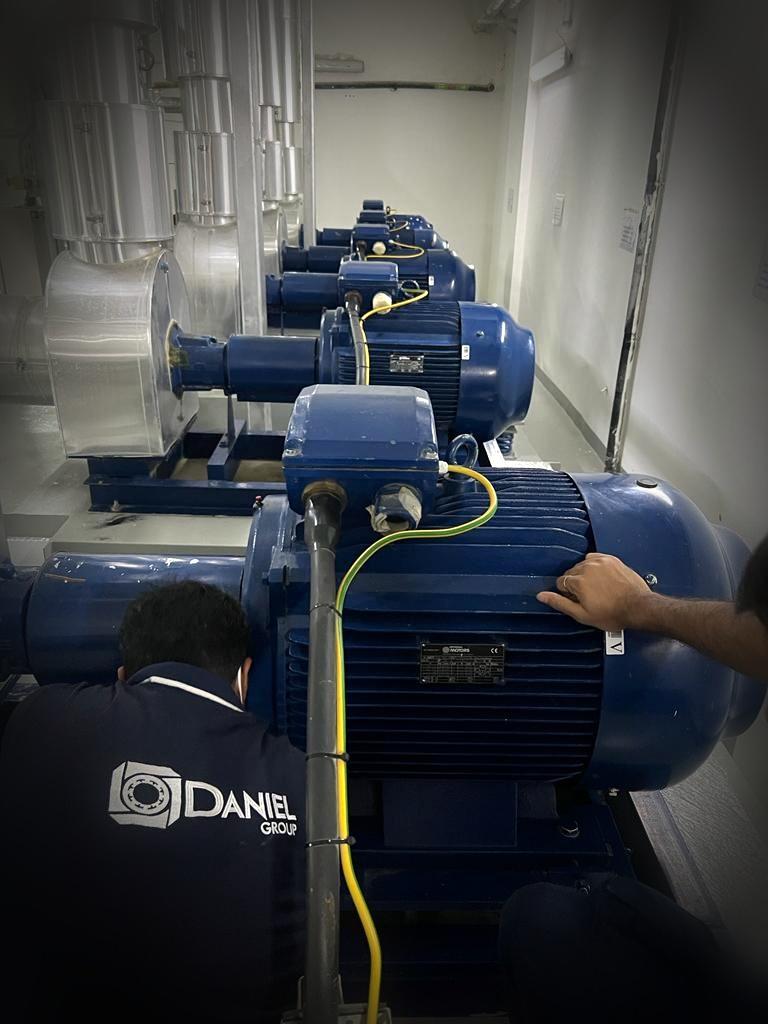
As more buildings opt for gearless lift technology, the demand for skilled lift motor maintenance is on the rise. These complicated motors do a great job — but only when they are serviced and overhauled with the precision they require.
Choosing experienced specialists to overhaul your permanent magnet synchronous motor protects your equipment investment, minimises downtime, extends motor life and helps ensure safe, dependable elevator operation for years to come.
A PMSM carries high-strength permanent magnets in the rotor rather than relying on induced rotor currents. Those magnets are vulnerable to contamination, physical damage, extreme heat and incorrect handling, so disassembly, inspection, rewinding and reassembly all have to follow specialised handling procedures that a conventional induction motor does not require.
The air space between rotor and stator is very small. Improper bearing installation, shaft misalignment or careless assembly can shift it just enough to create uneven magnetic forces, increased vibration and decreased efficiency.
A professional PMSM maintenance procedure covers vibration analysis, no-load testing, winding resistance measurements, insulation resistance testing and performance verification — all completed before the motor goes back into the lift shaft. Rushing or skipping these steps makes future failures far more likely.
The consequences range from reduced lifting force, increased vibration and excessive bearing wear to stator-to-rotor contact, partial demagnetisation, unstable speed control, recurring drive or inverter faults and, at worst, complete lift failure — along with the downtime, emergency call-outs and reputational cost that follow.
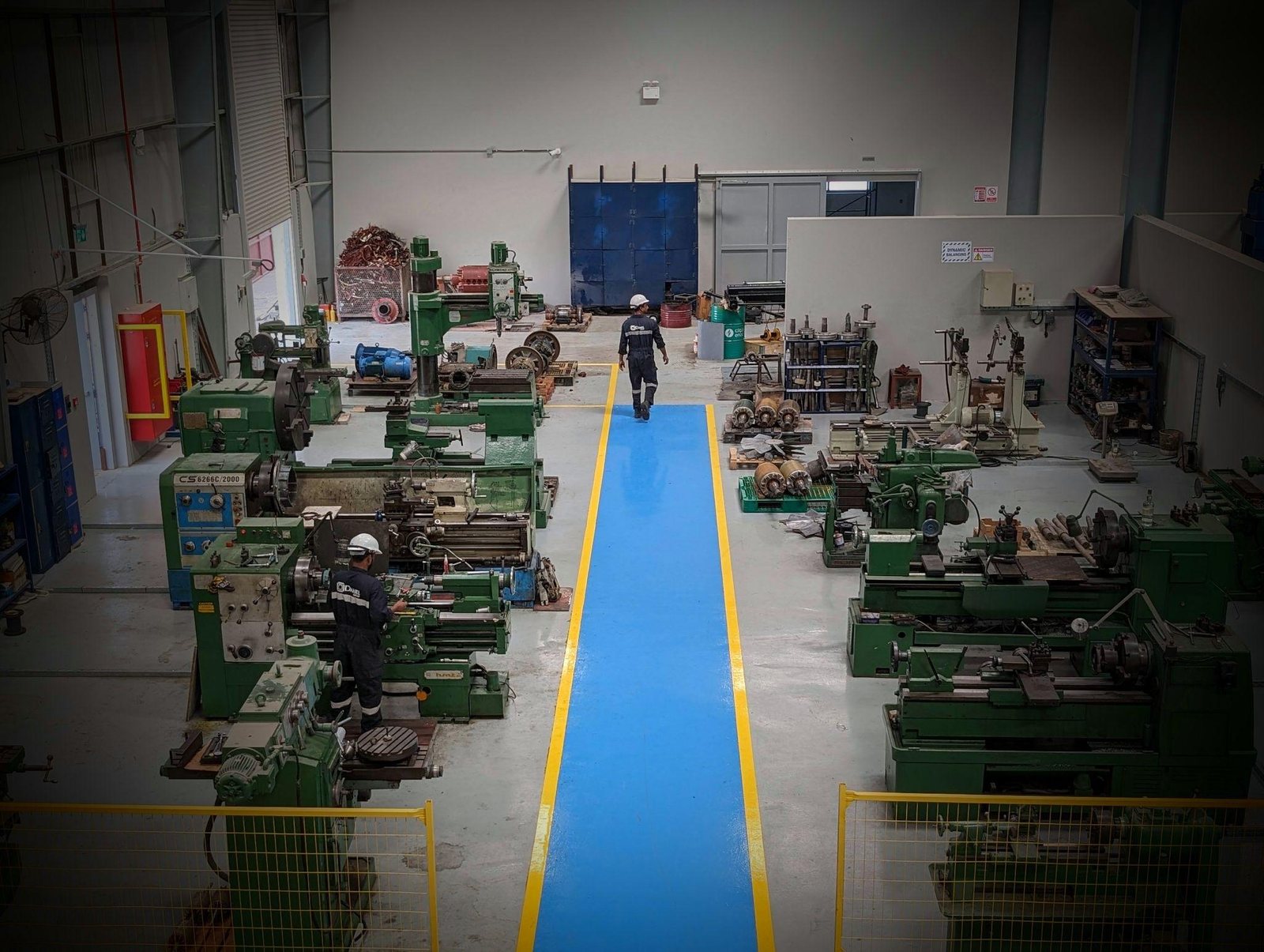
At Daniel Group, every PMSM overhaul is completed to the highest engineering standards thanks to our skilled engineers, state-of-the-art workshop facilities, and rigorous testing protocols.
If you’re looking for trusted expertise in permanent magnet synchronous motor repair, partner with Daniel Group to keep your critical lift systems operating safely and efficiently.