Author: Daniel Group
June 9th, 2026
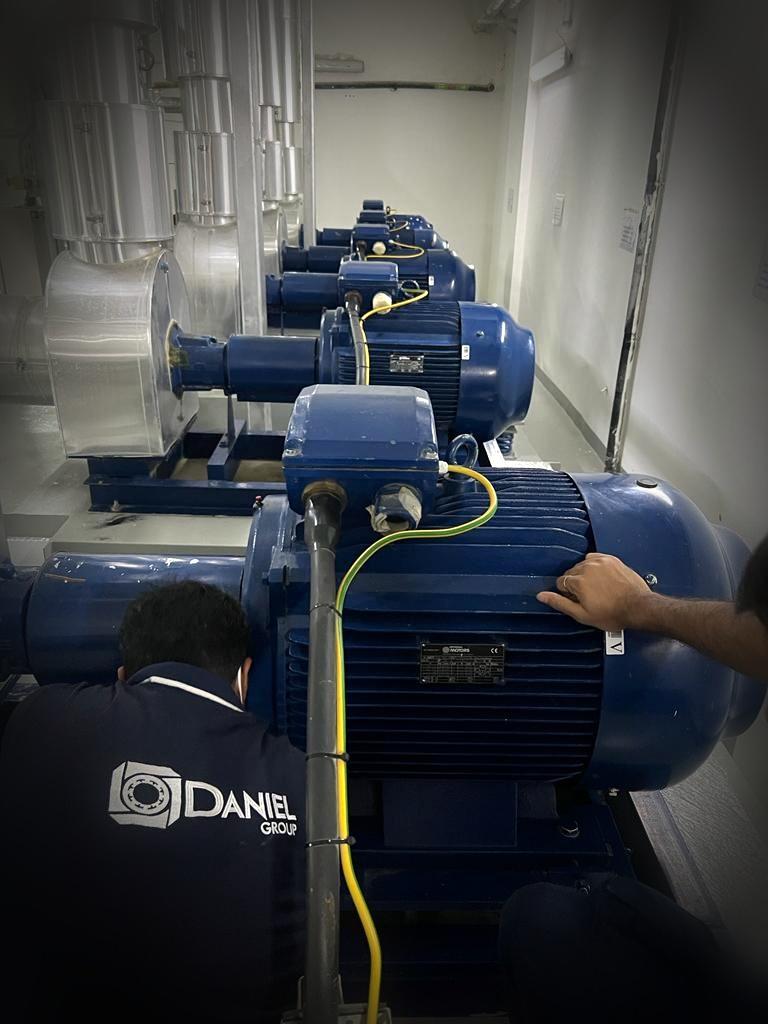
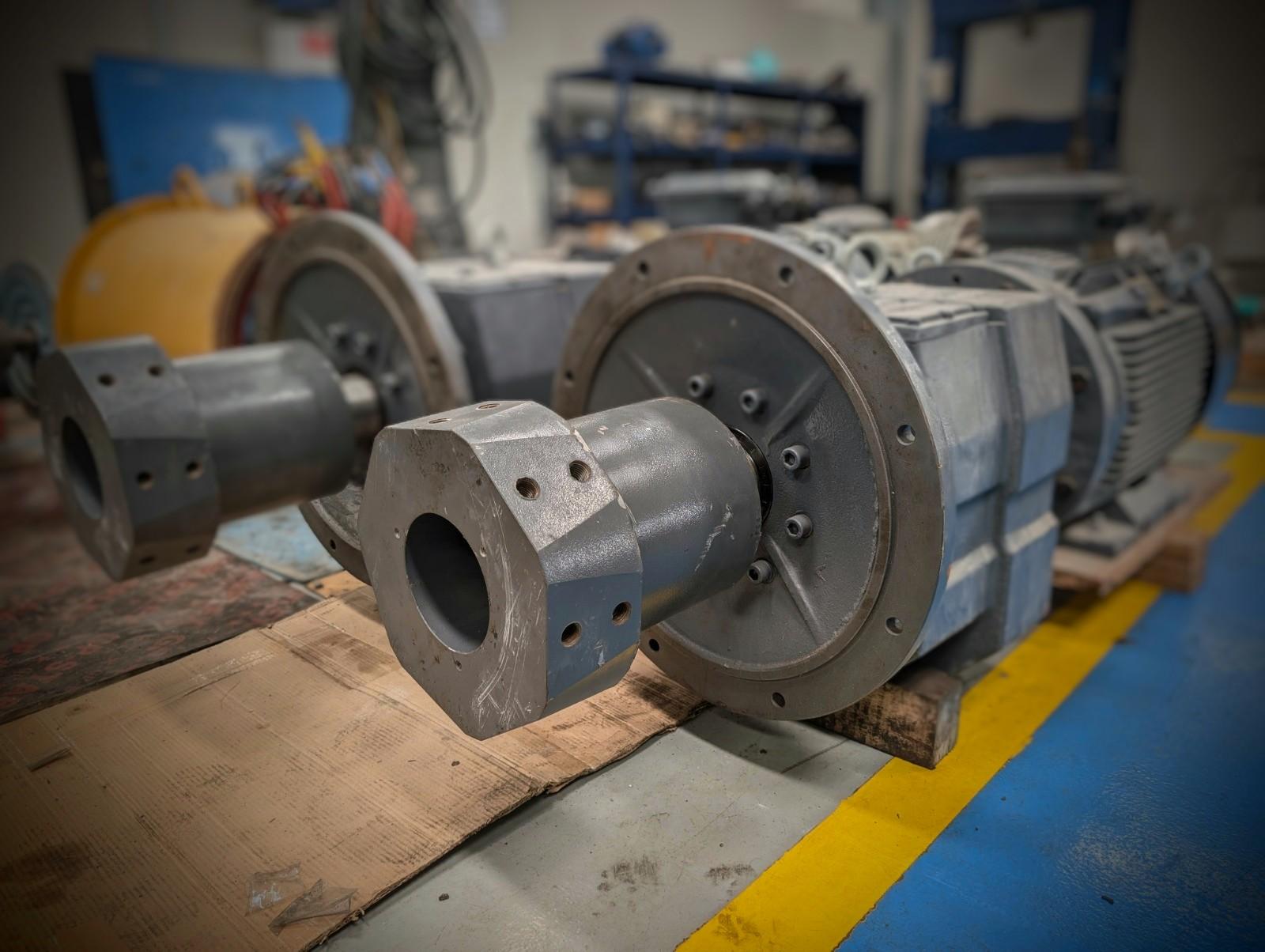
Industrial sites, power generation stations, HVAC setups, and manufacturing and production plants rely heavily on cooling towers to preserve operational effectiveness. Central to any cooling tower fan system is the gearbox motor unit, a component responsible for transmitting energy from the engine to the blades while maintaining dependable and productive performance.
Prolonged exposure to humidity, fluctuating temperatures, vibrations, and intense workloads can cause deterioration and reduced functionality over time. Consequently, cooling tower gearbox motor unit overhauling becomes a vital maintenance task to ensure the facility remains dependable and the machinery lasts longer.
This guide outlines the key stages involved in a professional cooling tower gearbox overhaul process and explains why a structured approach delivers better long-term results.
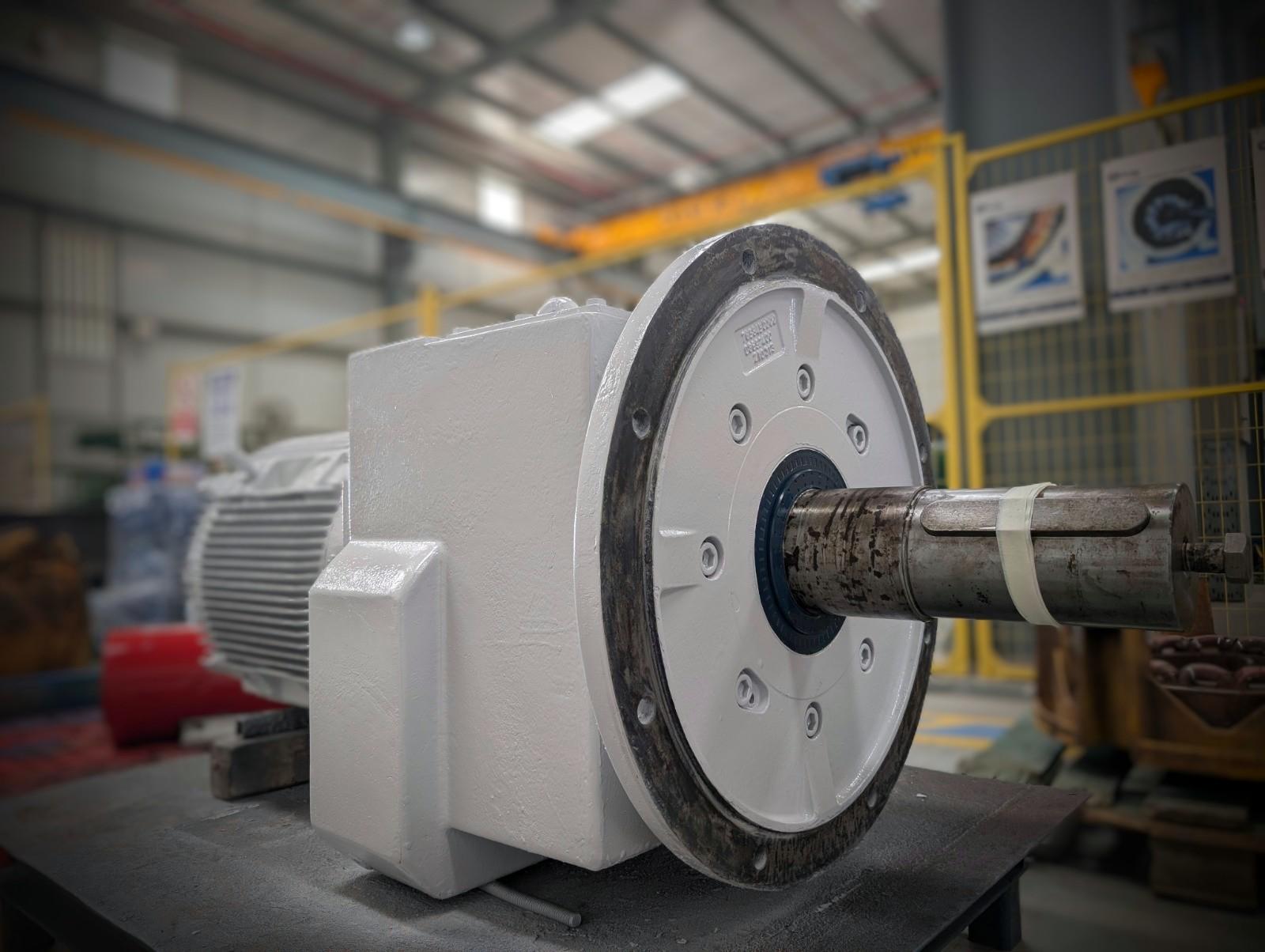
A cooling tower gearbox works in harsh environments. If ignored, even minor issues like bearing wear, oil contamination, shaft misalignment, or gear damage may escalate into expensive failures.
Maintaining the cooling tower gearbox regularly helps:
Proactive overhauling enables maintenance workers to spot and fix emerging problems before they affect production, as opposed to waiting for a total breakdown. For broader context, see our complete electric motor overhauling procedure guide and our electric motor preventive maintenance guide.
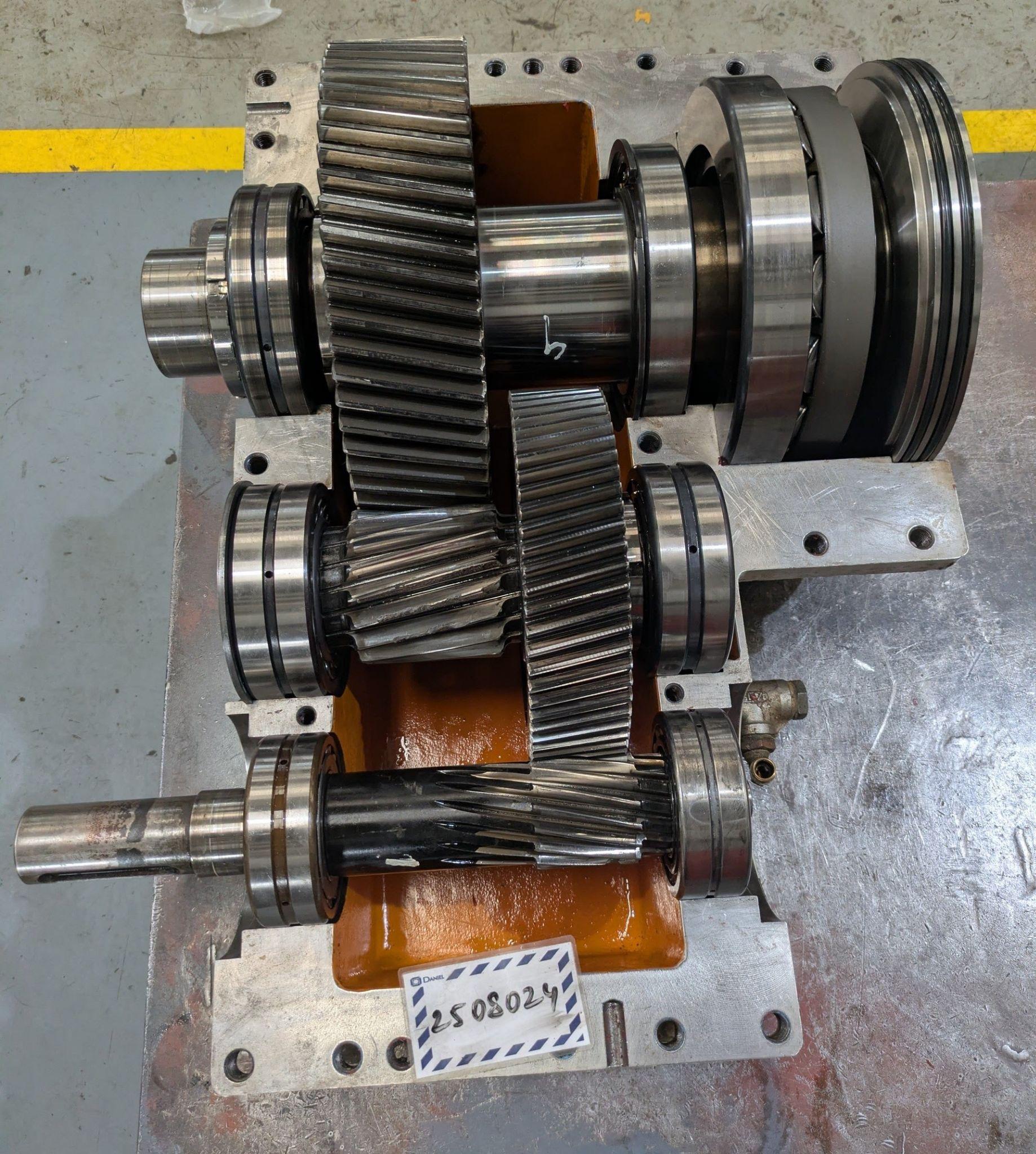
The cooling tower gearbox motor unit overhauling process begins with a detailed inspection of the gearbox and motor unit. Technicians typically evaluate:
A thorough evaluation helps in determining whether the machine needs significant cooling tower gearbox repair, routine servicing, or complete component replacement. A thorough evaluation at the start of the overhaul lowers maintenance costs and avoids needless repairs.
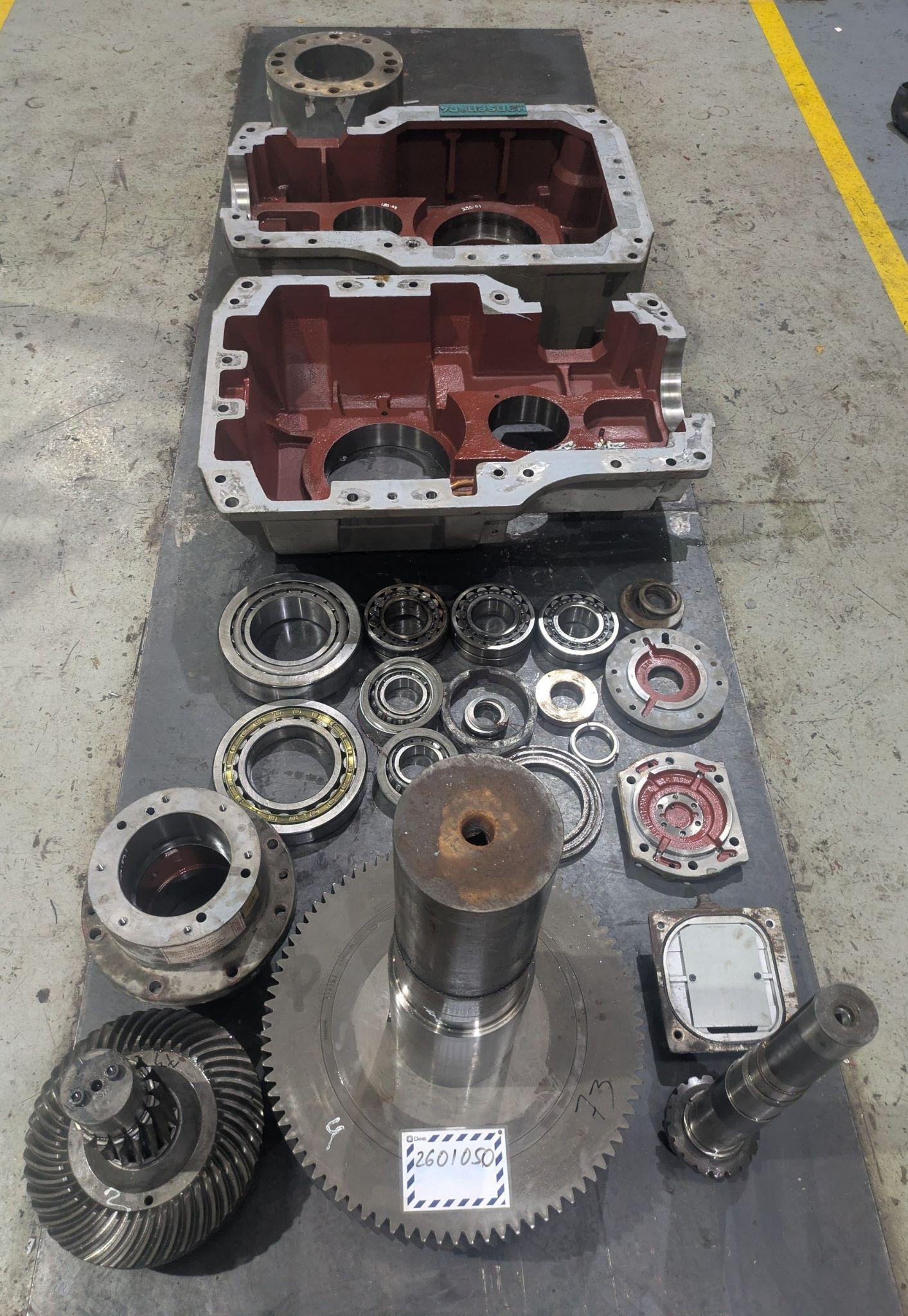
Once the unit is isolated and removed from service, technicians carefully dismantle the gearbox and motor assembly. During this stage:
Every component is catalogued and documented to ensure proper reassembly later. Proper dismantling procedures help avoid secondary damage and provide a clearer understanding of the gearbox’s internal condition. Related: on-site bearing replacement for large kW motors.
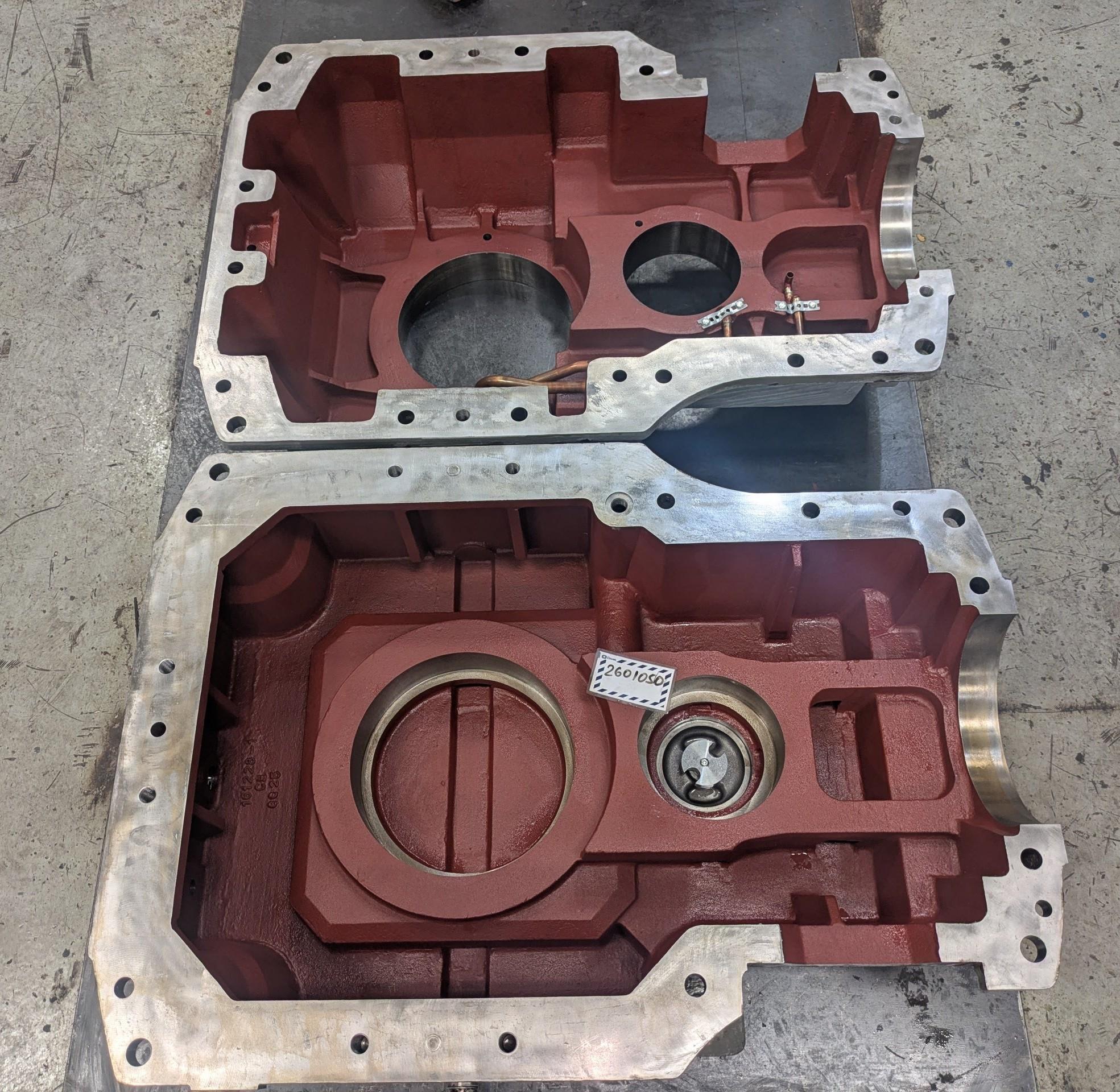
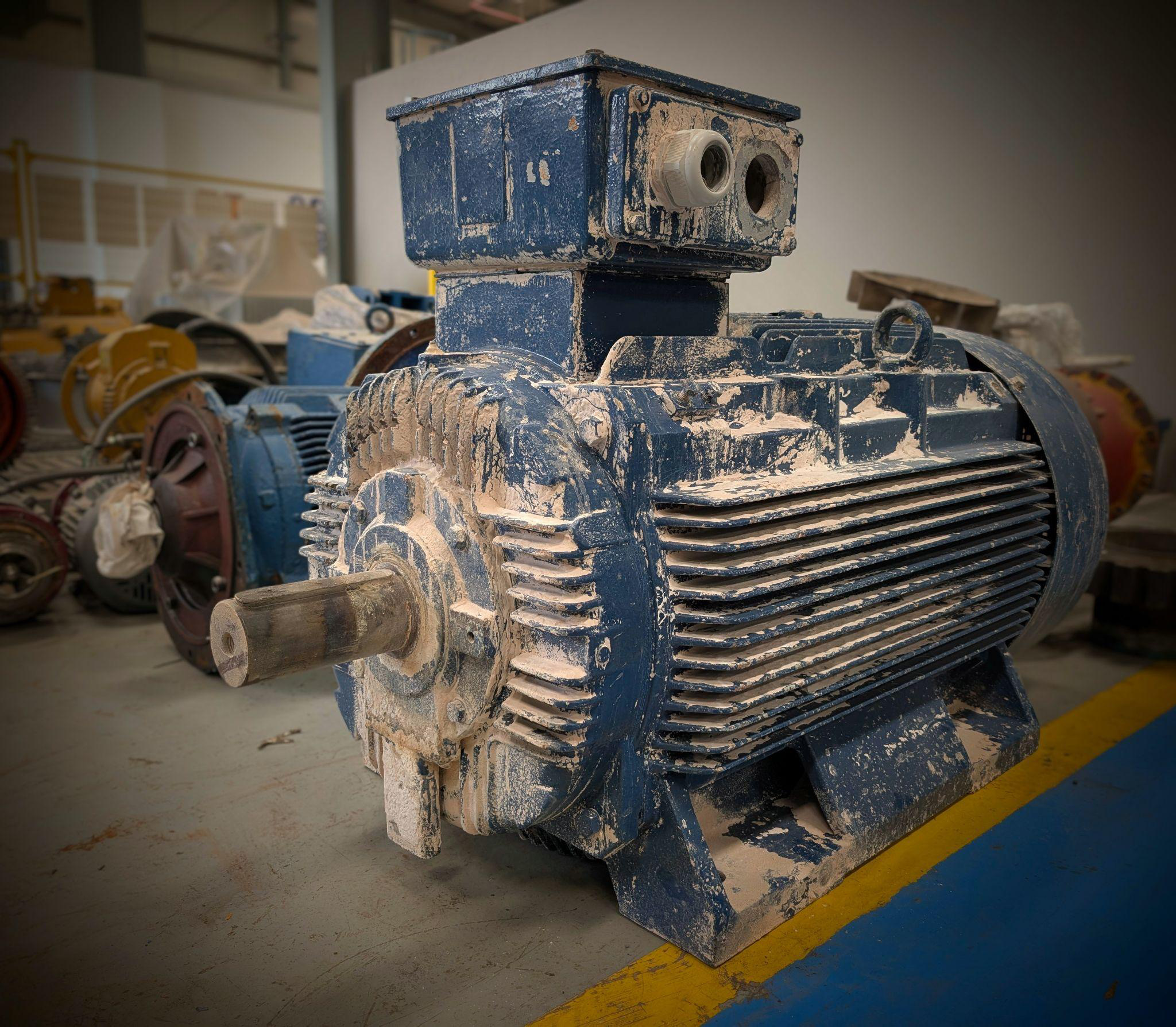
Following disassembly, every part is thoroughly cleaned to get rid of:
After cleaning, technicians check key components for:
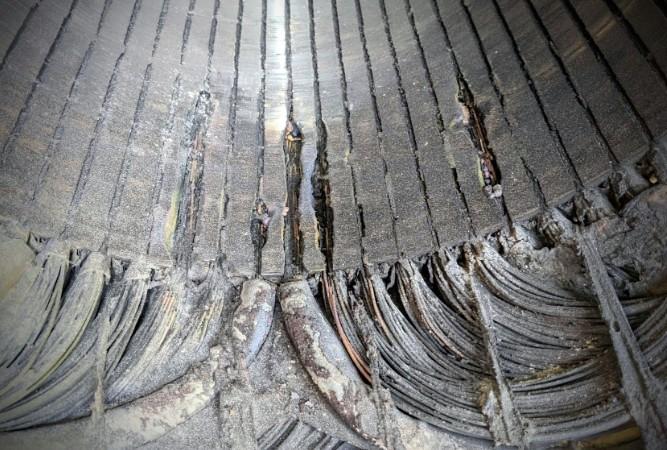
Gear teeth are checked for pitting, scoring, cracks, and abnormal wear patterns.
Bearings are examined for surface damage, fatigue marks, excessive clearance, and lubrication failure. Learn more about common electric motor failure causes that often originate from bearing deterioration.
Shafts are inspected for runout, wear at bearing locations, corrosion, and surface defects. Repairs or replacements are planned for any damaged parts found during examination.
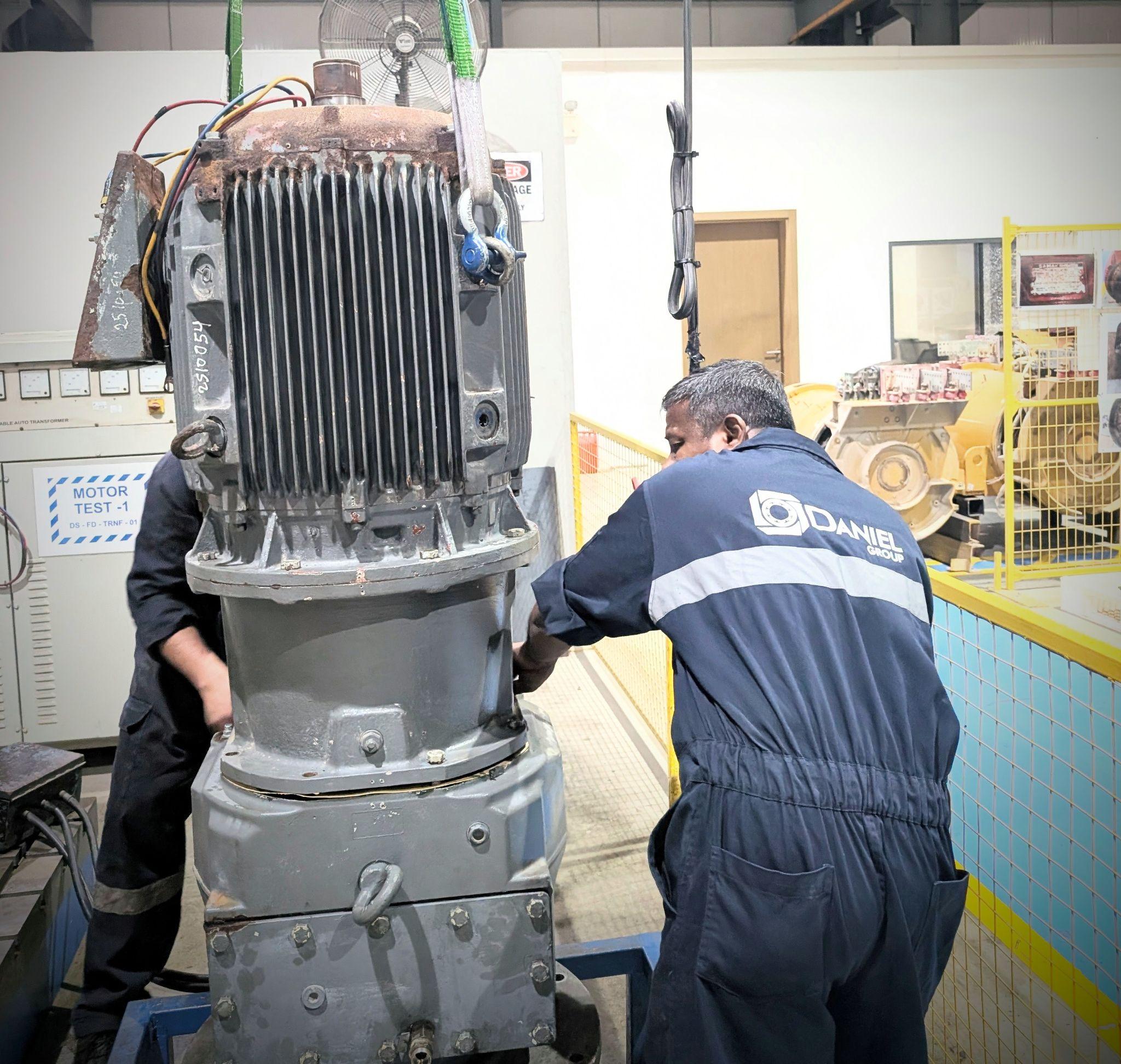
Corrective actions are carried out in accordance with inspection findings. Common activities include:
A complete cooling tower gearbox replacement is sometimes required in situations when damage is severe or repairing it would be financially unfeasible. Our pump and gearbox repair services and electric motor repair services cover the full range of corrective work required during overhaul.
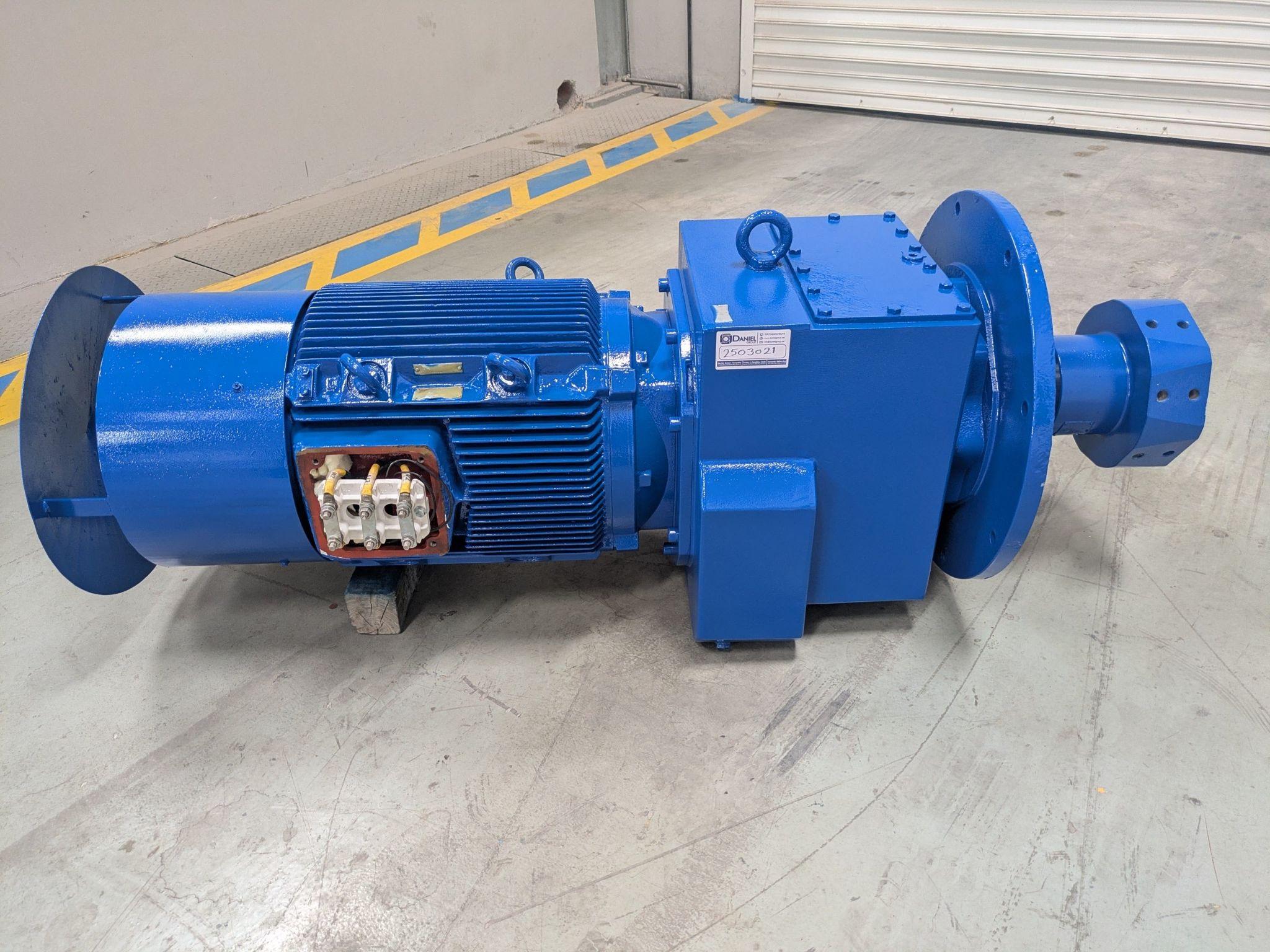
Lubrication is one of the most critical factors affecting gearbox performance. During the overhaul, a complete cooling tower gearbox oil change is performed. Technicians will:
Using the correct lubricant specification is essential for achieving maximum gearbox life. See our preventive maintenance checklist for related lubrication best practices.
Once repairs and replacements are completed, the gearbox motor unit is carefully reassembled. Special attention is given to:
Given that misalignment can result in premature bearing failure, excessive vibration, and energy losses, precise alignment between the motor and gearbox is very important. Our dynamic balancing service ensures rotating components meet precise tolerance specifications after reassembly. Learn more about the difference between static and dynamic balancing.
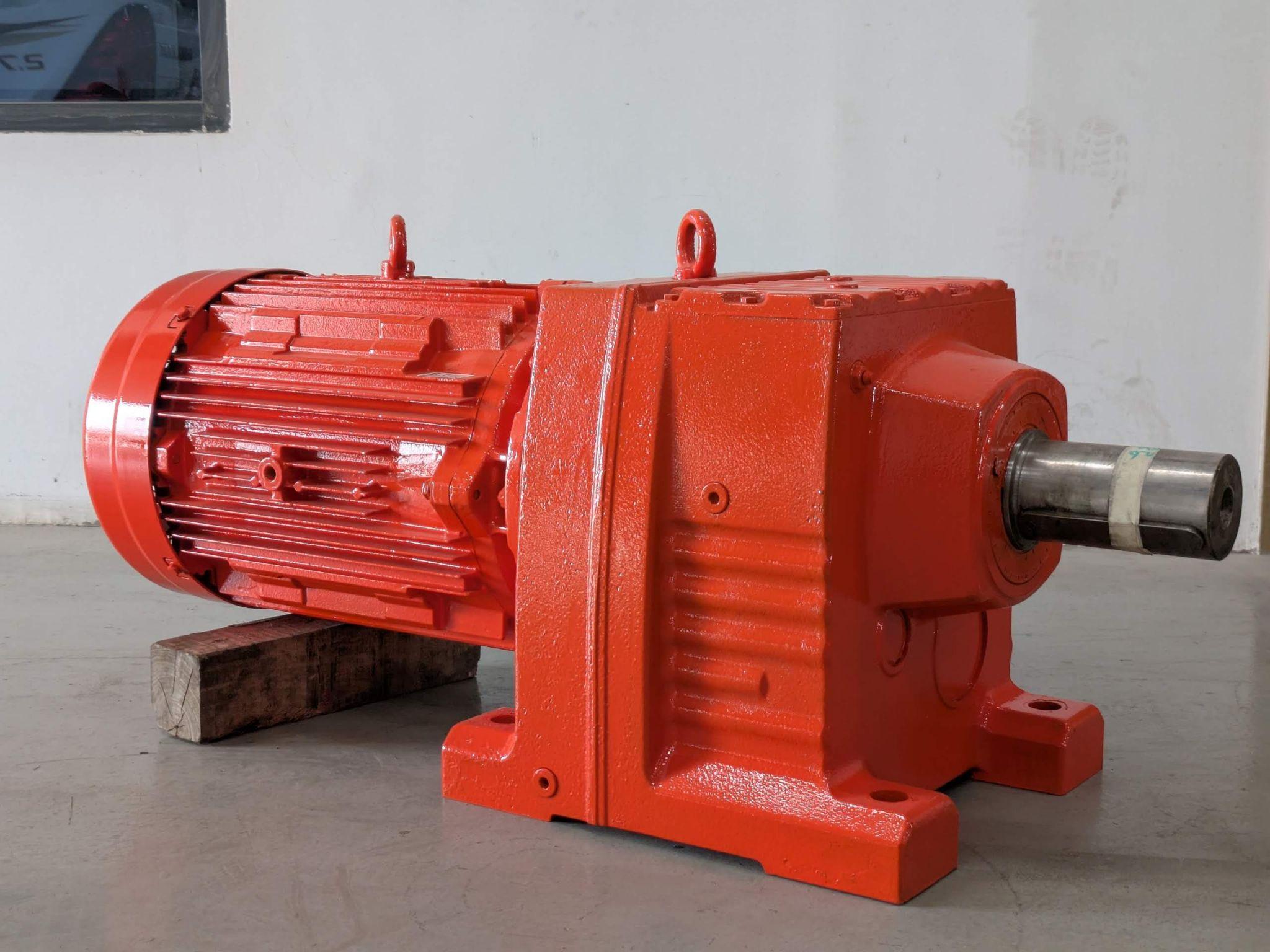
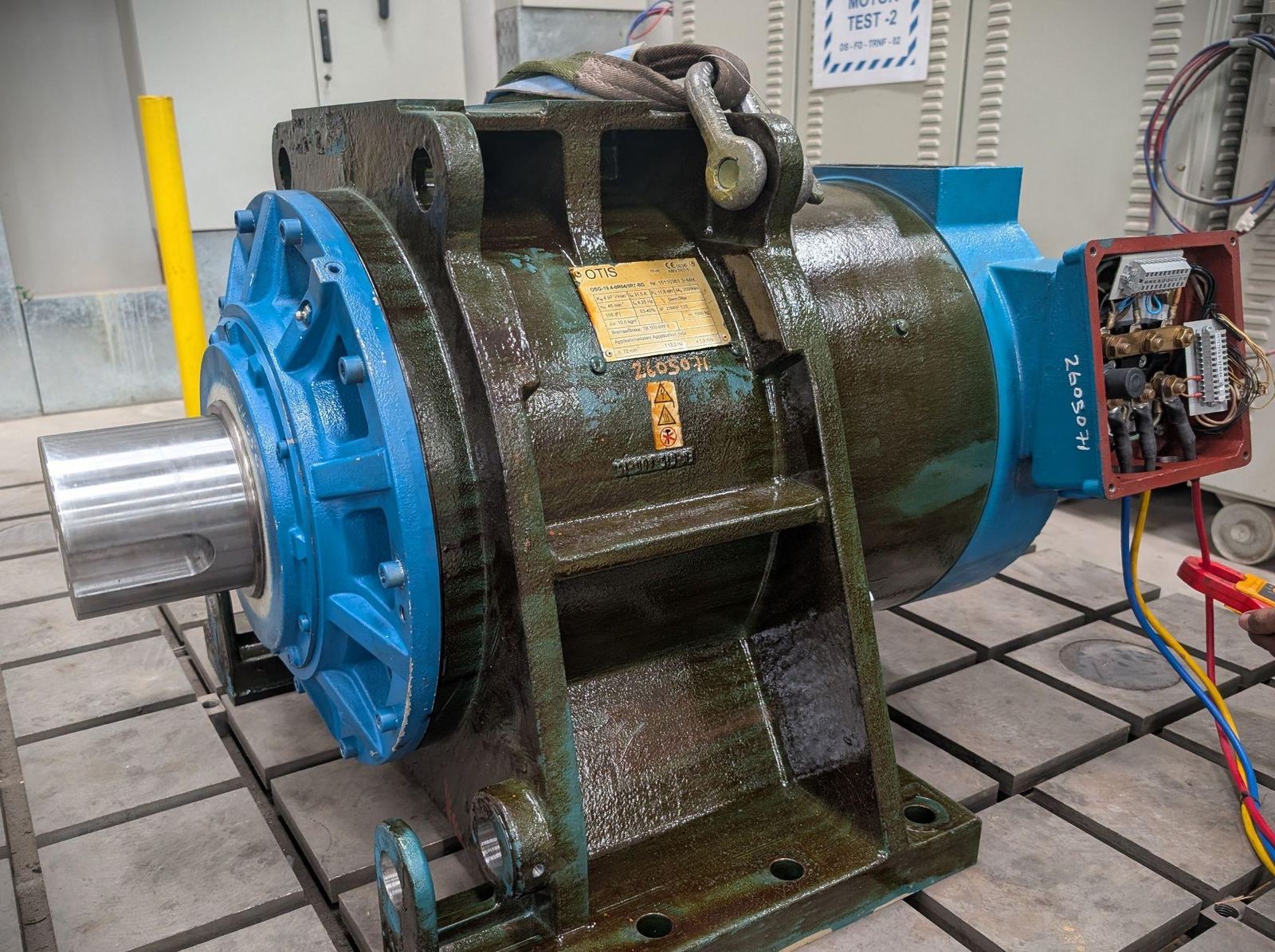
Before returning the unit to service, comprehensive testing is carried out. Testing may include:
These tests verify that the cooling tower gearbox motor unit overhaul has been completed successfully and that the equipment is ready for reliable operation. Read more about why the no-load performance test matters after overhauling. For large-scale motor overhaul references, see our 1100 KW oil and gas rig motor overhauling case study.
In addition to repairing equipment, a well-implemented cooling tower gearbox motor unit overhauling program increases dependability, lowers lifecycle costs, and assists maintenance teams in preventing unplanned shutdowns. At Daniel Group, we are aware of how important cooling tower dependability is to the operation of your plant. Our skilled engineers and technicians assist clients in maximising uptime and prolonging equipment life by offering thorough inspection, repair, overhauling, testing, and refurbishing services for cooling tower gearbox motor units.
Looking to improve the reliability of your cooling tower systems? Get in touch with Daniel Group right away to find out how our professional overhauling knowledge can maintain the optimal operation of your vital equipment. Explore our full range of gearbox and pump repair services or learn about our district cooling and HVAC industry solutions.