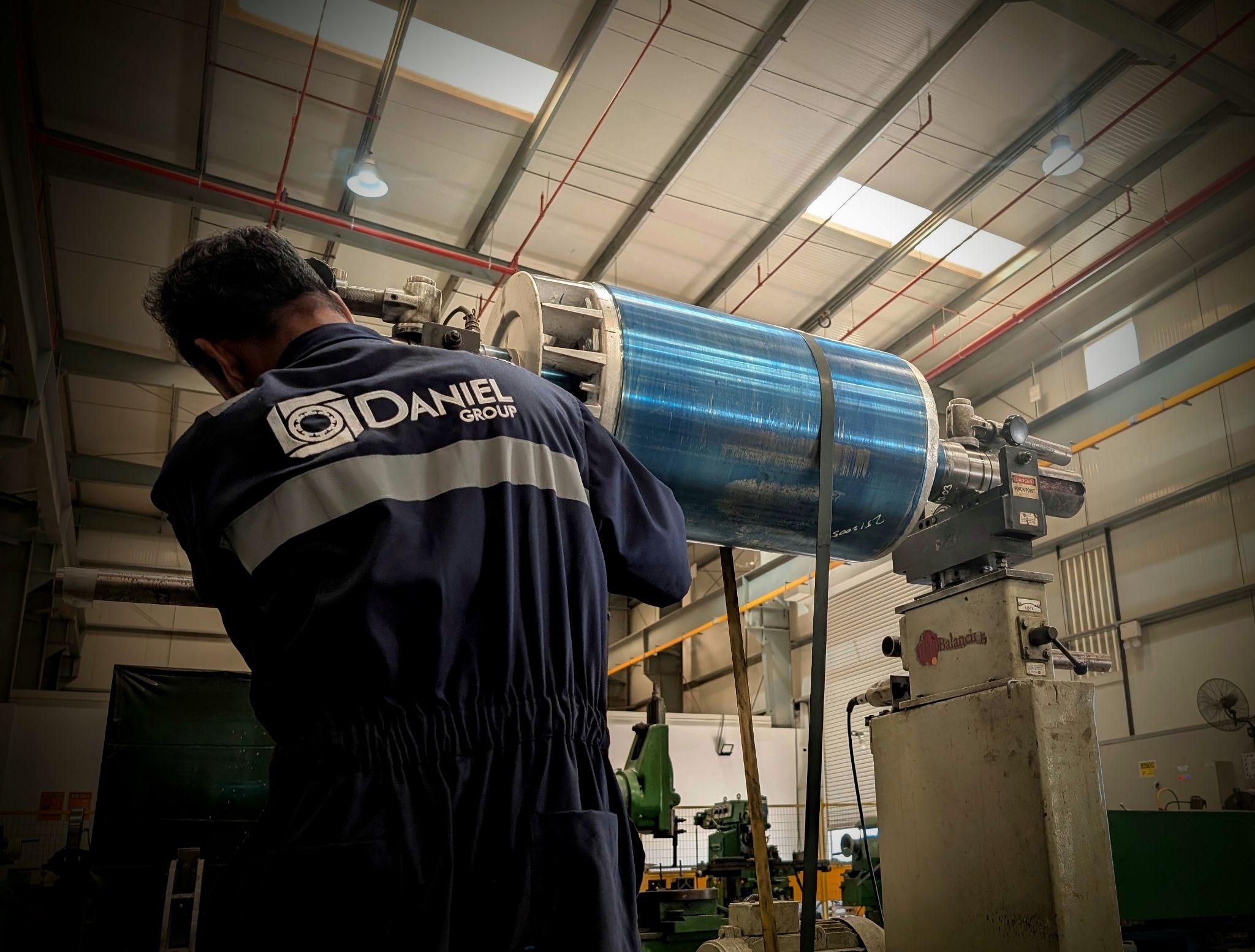
Author: Daniel Group
March 24th, 2026
Electric motors are more than just pieces of equipment in oil and gas operations; they are the cornerstone of critical operations. These motors operate under severe loads and challenging weather conditions, powering pumps, compressors, and drilling equipment.
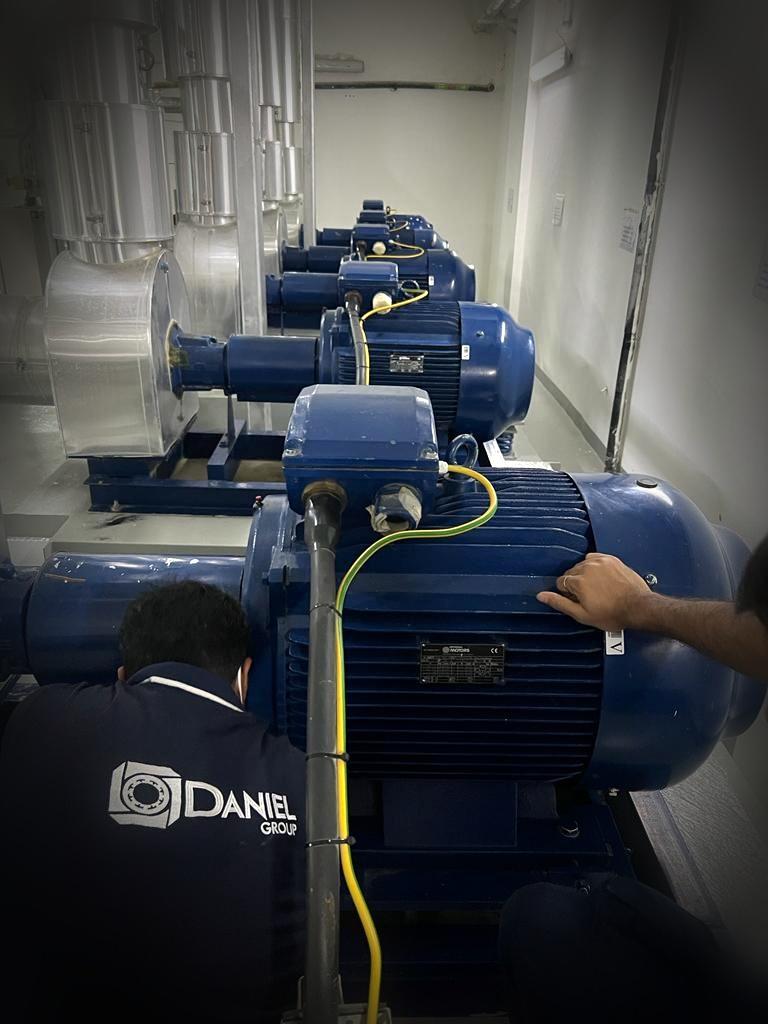
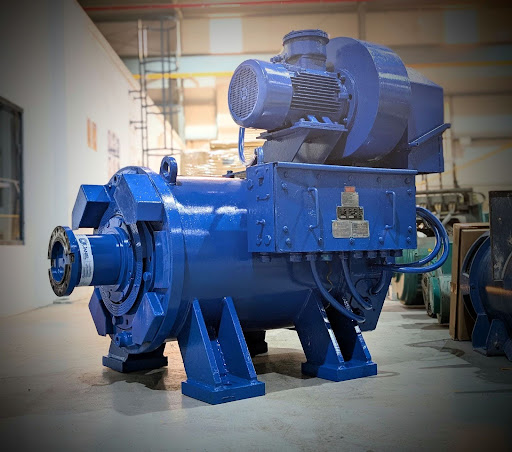
When a 1100 kW motor on an oil rig starts to deteriorate, it’s important to act fast. Methodical overhaul of oil and gas rig motors can boost reliability, prolong service life, and save expensive downtime.
The goal of Daniel Group’s overhauling process for oil and gas rig motors is to ensure that high-performance motors can safely and effectively resume field operations. Here’s an overview of the detailed process for overhauling large motors in challenging oil and gas settings.
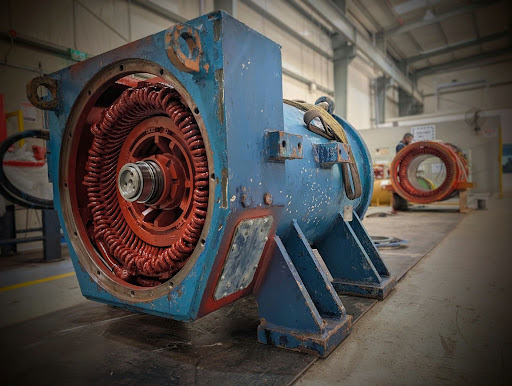
Oil rig motors function in settings where dependability is critical. Heat, vibration, moisture, and pollution cause mechanical parts and electrical insulation to deteriorate over time.
Inadequate maintenance of oil and gas rig engines can result in:
Frequent maintenance revitalises engine efficiency and maintains vital functions.
The oil and gas rig motor overhaul process begins with a comprehensive diagnostic evaluation.
To identify the root cause of the problem, technicians perform mechanical and electrical assessments. This might entail confirming:
This phase aids in determining whether the oil and gas rig motor needs electrical rehabilitation, including rewinding, minor repair, or a full overhaul.
Key point: Precise diagnostics guarantee the appropriate overhaul approach from the outset and avoid pointless repairs.
After the inspection stage is finished, the motor is methodically taken apart.
Key elements taken out consist of:
Each part is examined separately for signs of mechanical wear, alignment issues, structural damage, and rust.
For a 1100 kW motor, this stage requires careful handling and specialised tools to prevent further damage.
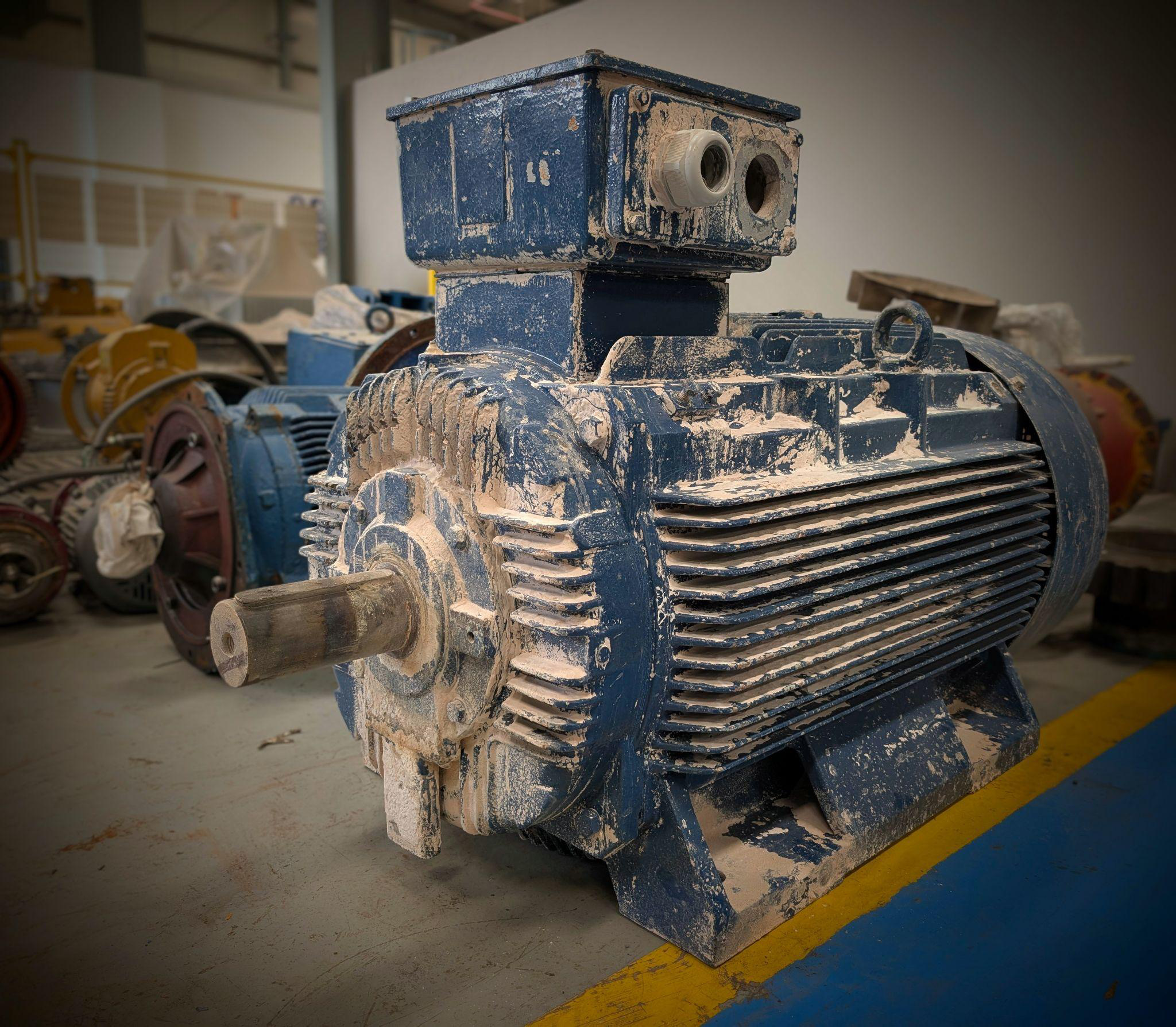
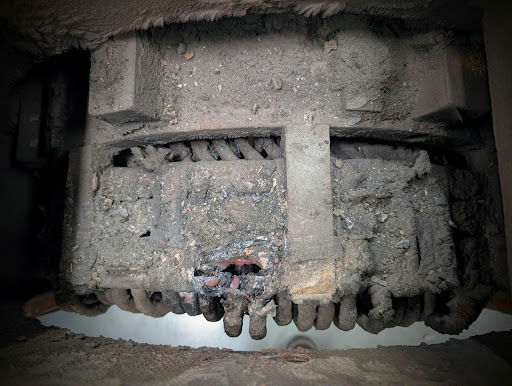
Over time, industrial motors used on rigs can accumulate dust, carbon deposits, and oil residue.
Technicians carry out a comprehensive cleaning procedure prior to maintenance and inspection, which may involve:
Cleaning enhances inspection precision while also reinstating cooling effectiveness and insulation functionality.
Once cleaned, any worn or damaged mechanical parts are restored or substituted.
Common mechanical repair tasks consist of:
These repairs bring back the motor’s mechanical integrity and guarantee stable function when reinstalled in the rig system.
Electrical parts are the essence of every motor.
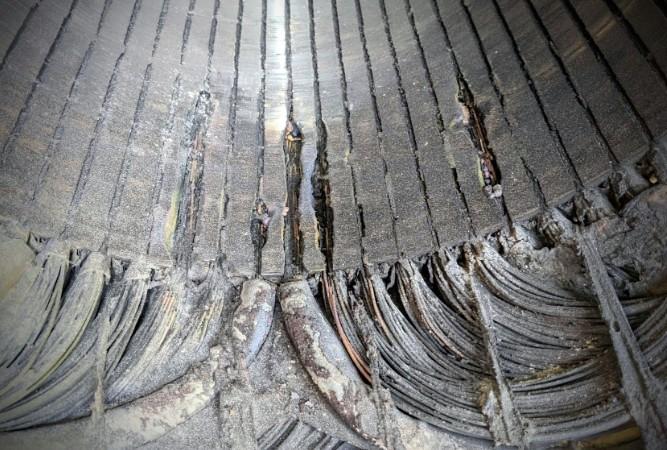
Should the insulation system exhibit signs of deterioration, technicians might undertake:
A well-conducted electrical restoration can greatly enhance the longevity of a large motor.
Heavy motors like those found in rigs need to function efficiently under substantial loads.
In this phase:
Correct dynamic balancing minimises bearing wear and enhances the overall efficiency of the motor.
The motor is meticulously reassembled once the maintenance and repairs are finished. Technicians carry out the checks below:
This procedure allows the motor’s mechanical structure to be revitalised for optimal performance.
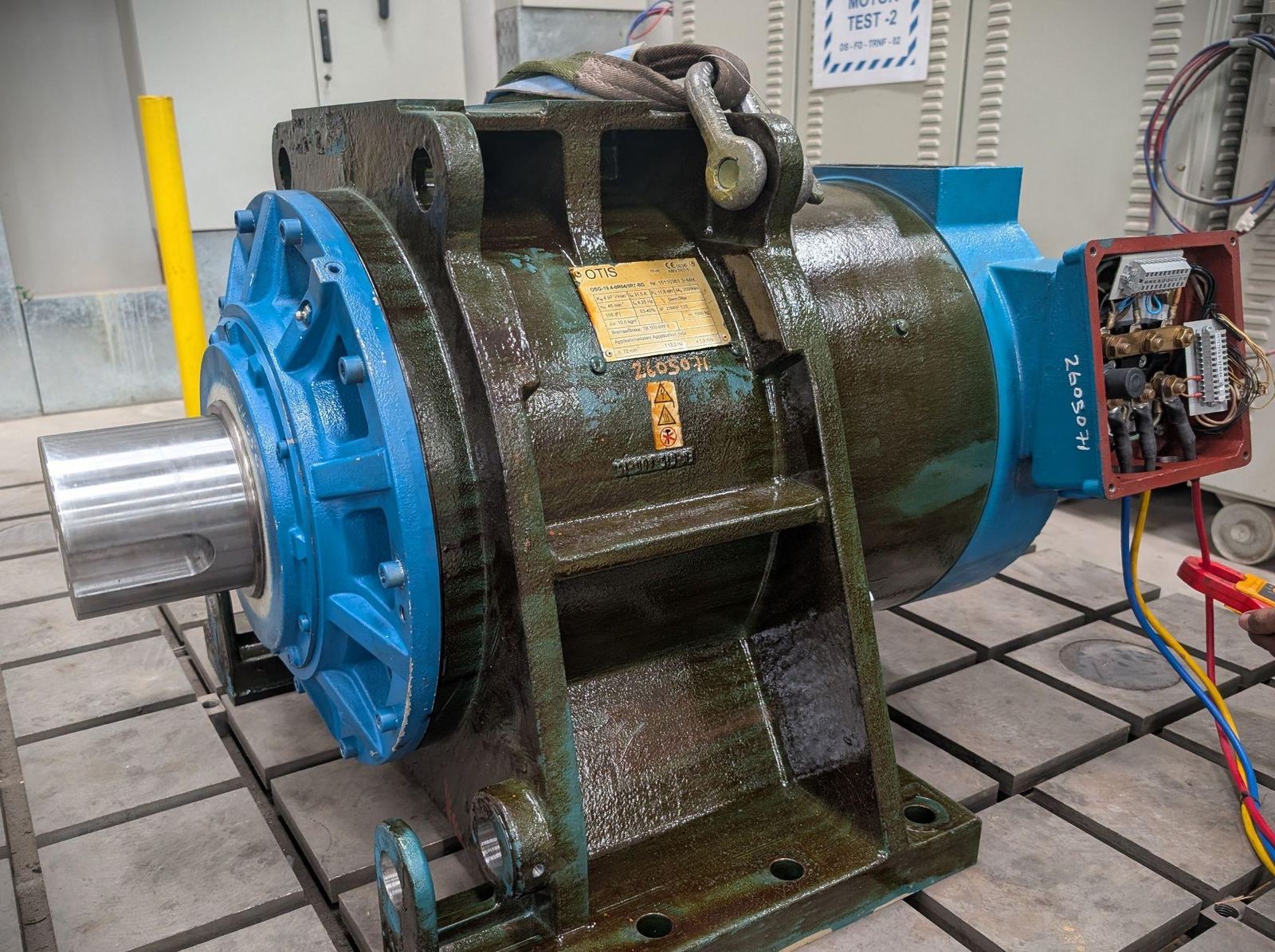
Comprehensive testing is conducted before the motor departs from the workshop.
These evaluations confirm:
The motor is approved for redeployment only after these checks are passed.
Takeaway: Concluding testing confirms the motor operates as anticipated in challenging oil and gas settings.
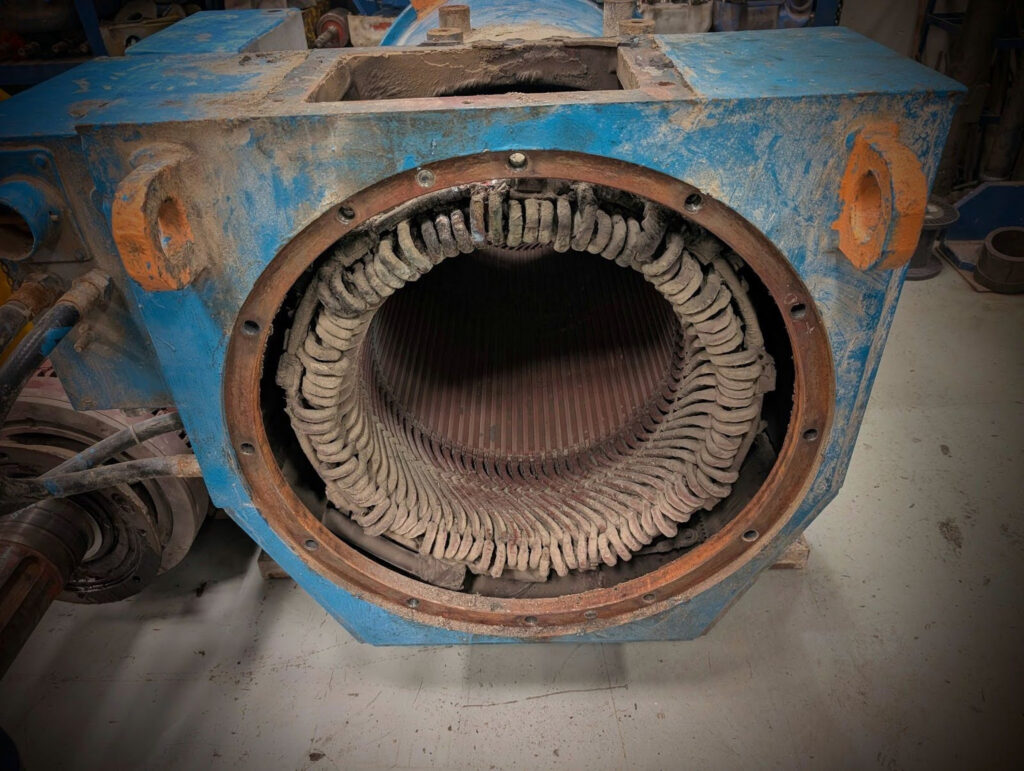
To ensure the reliability of high-capacity equipment in the field, a systematic motor overhaul procedure is essential for oil and gas rig motors. By combining thorough diagnostics, mechanical repairs, electrical adjustments, and precise testing, large motors can be restored to optimal operating conditions.
Working with a reputable service provider can have a big impact on results for maintenance engineers and workshop supervisors.
Proactive maintenance of oil and gas rig motors can extend the equipment’s lifespan and prevent costly breakdowns for operations that rely on high-capacity motors. Get in touch with Daniel Group right now to ensure that your vital motors are maintained, inspected, and ready to go when your operations most depend on them.