Author: Daniel Group
April 17th, 2026
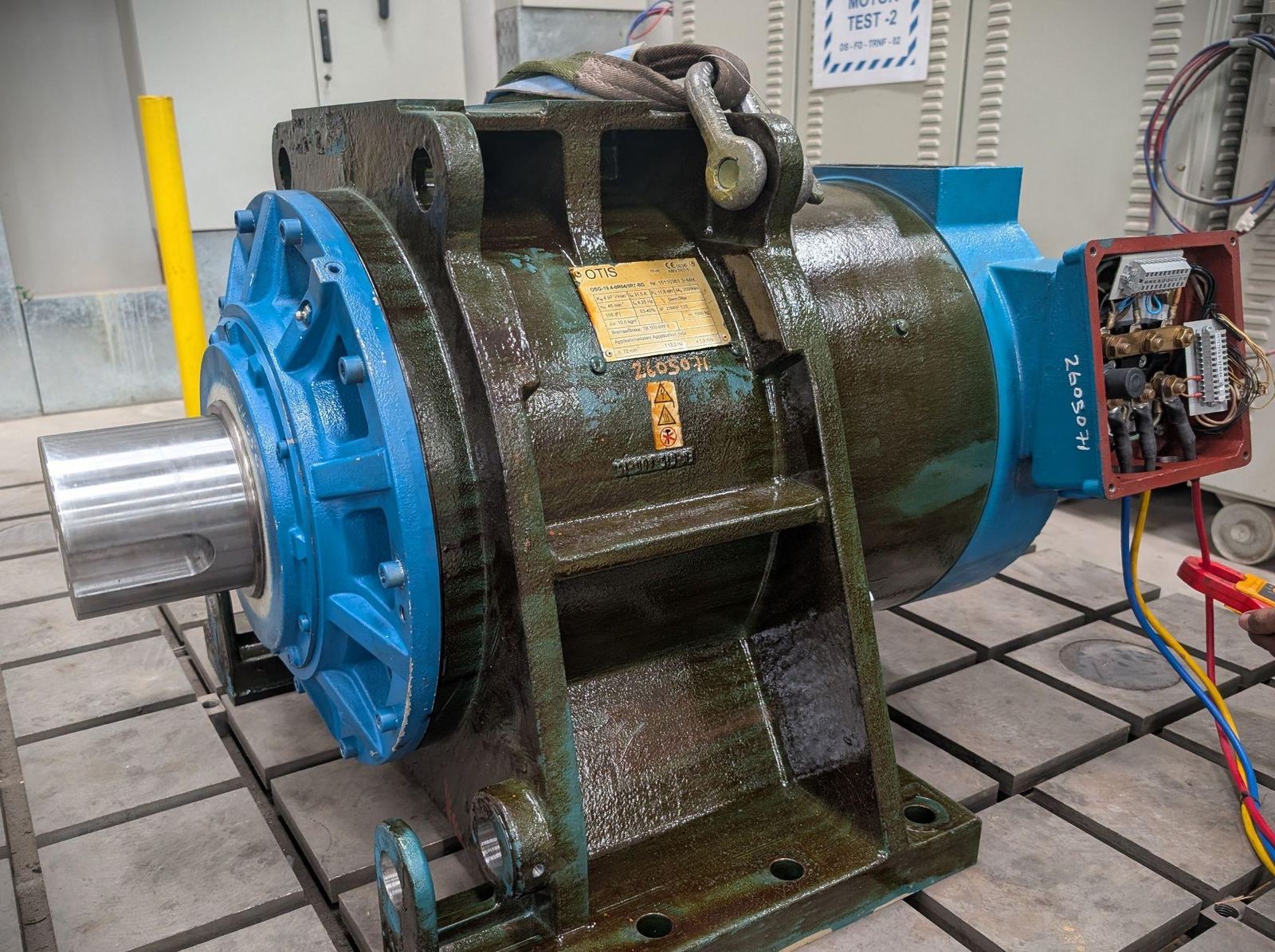
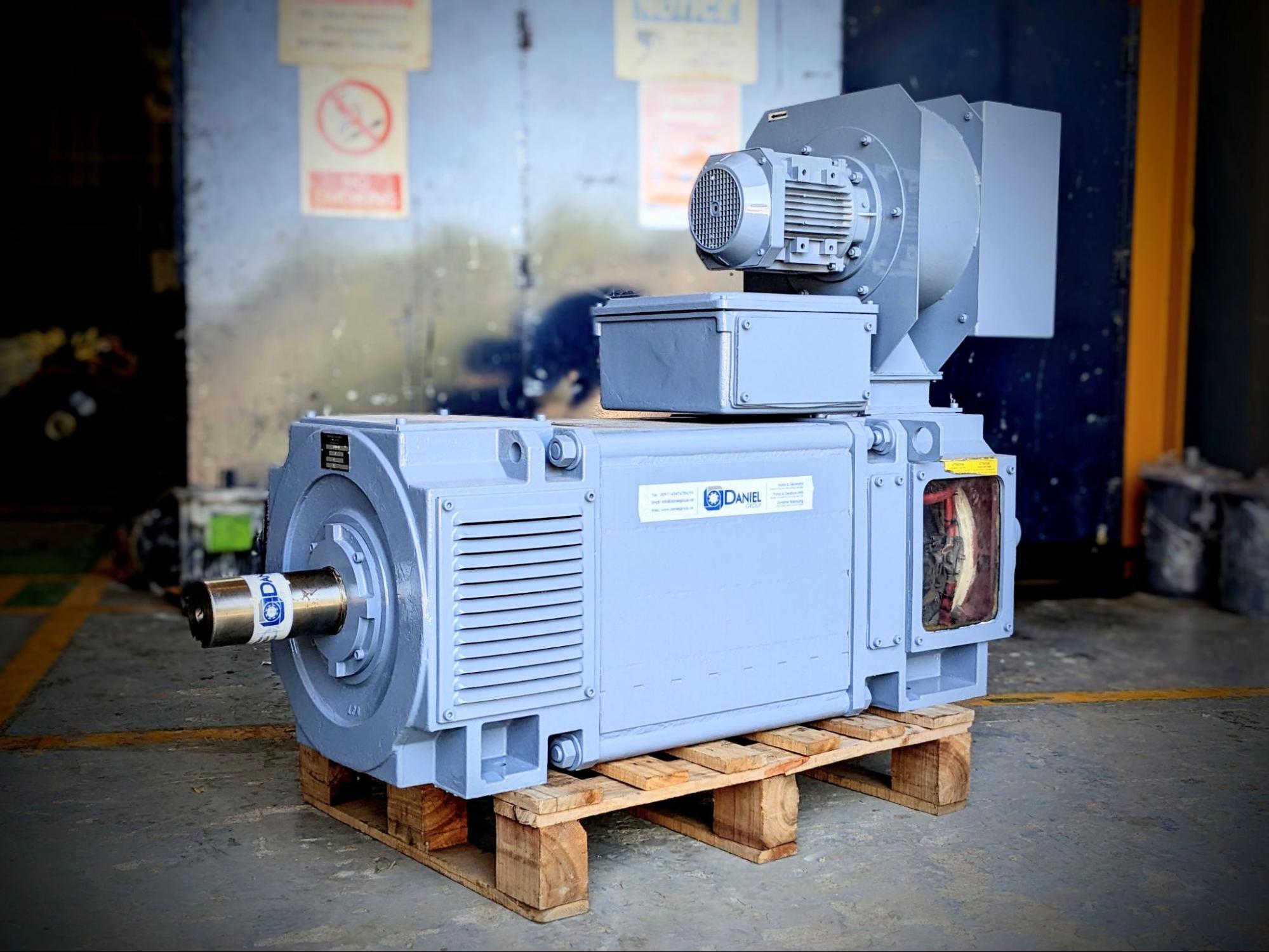
DC motors are essential components of several industrial procedures, including rolling mills, cranes, conveyors, and marine systems. When they malfunction, downtime is costly and, of course, inconvenient. In view of these factors, DC motor maintenance is a strategic maintenance activity that directly affects dependability, efficiency, and safety rather than merely being a routine task.
This blog details DC motor servicing, going step-by-step through the entire process.
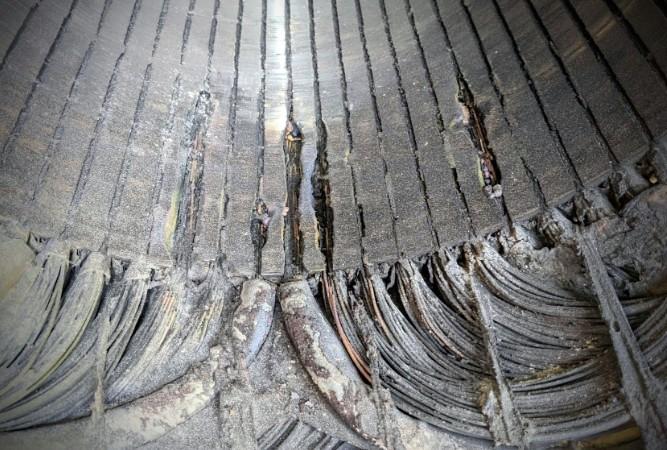
DC motors are more susceptible to wear, contamination, and electrical imbalance than AC motors since they rely more on parts like brushes, commutators, and armatures. Unlike their AC counterparts, these designs invite dust buildup, uneven current flow, and mechanical stress over time. Catching small faults early helps avoid sudden breakdowns when demand peaks.
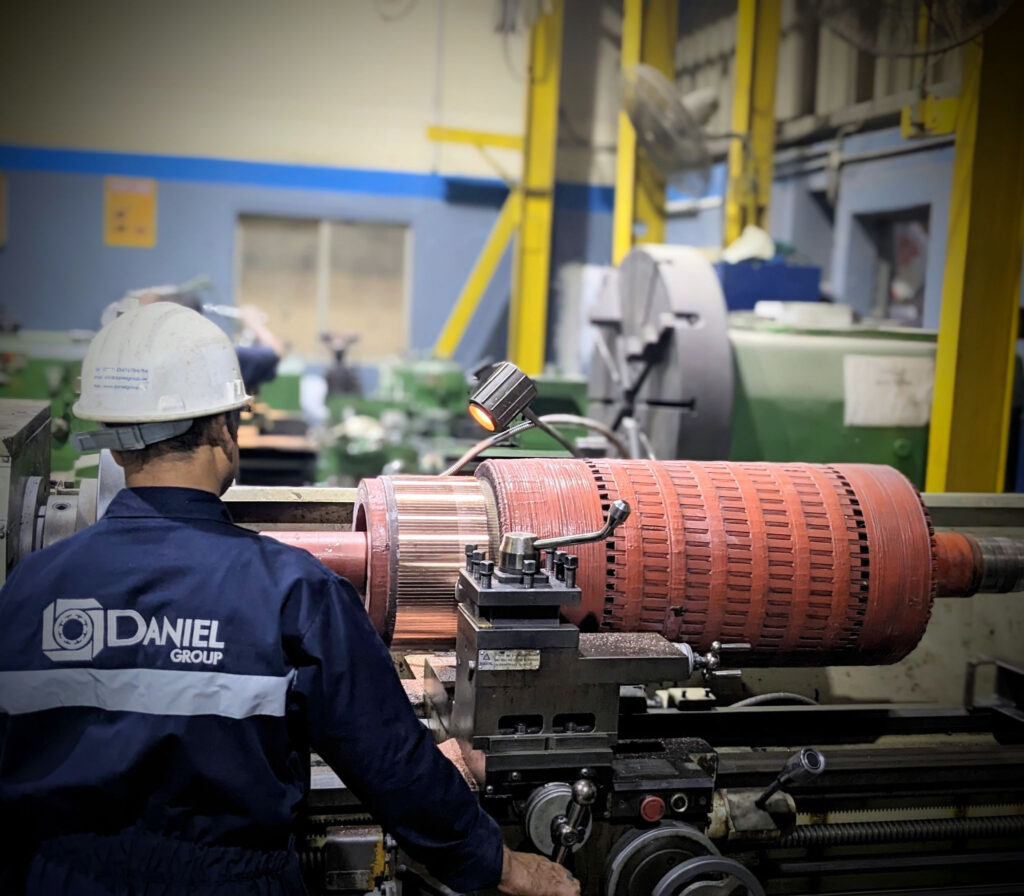
Ahead of initiating a DC motor repair, conduct a thorough inspection:
This stage assists in determining if a minor DC motor repair or a full overhaul is necessary.
Dismantling must be done carefully to prevent unwanted damage:
Expert advice: Always record the procedure; taking pictures and making notes can save a lot of time when reassembling.
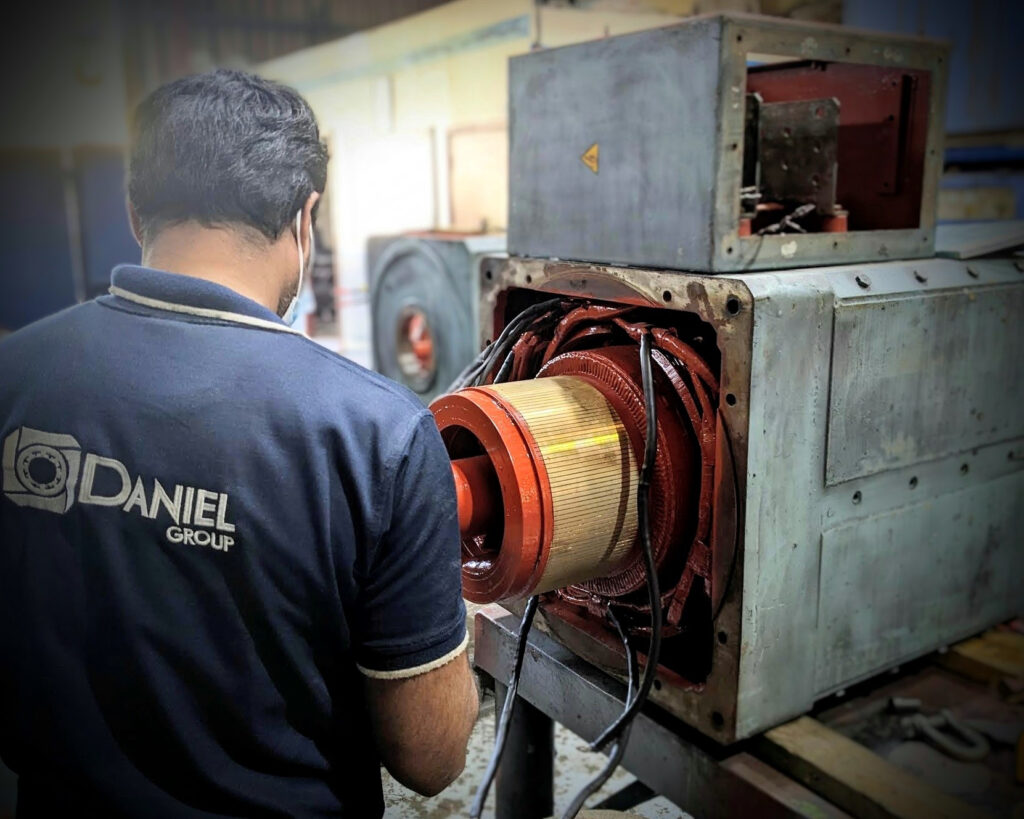
Faulty performance often stems from dirty components inside motors. A clean DC motor works better when dust, grease, or debris are removed through careful maintenance procedures:
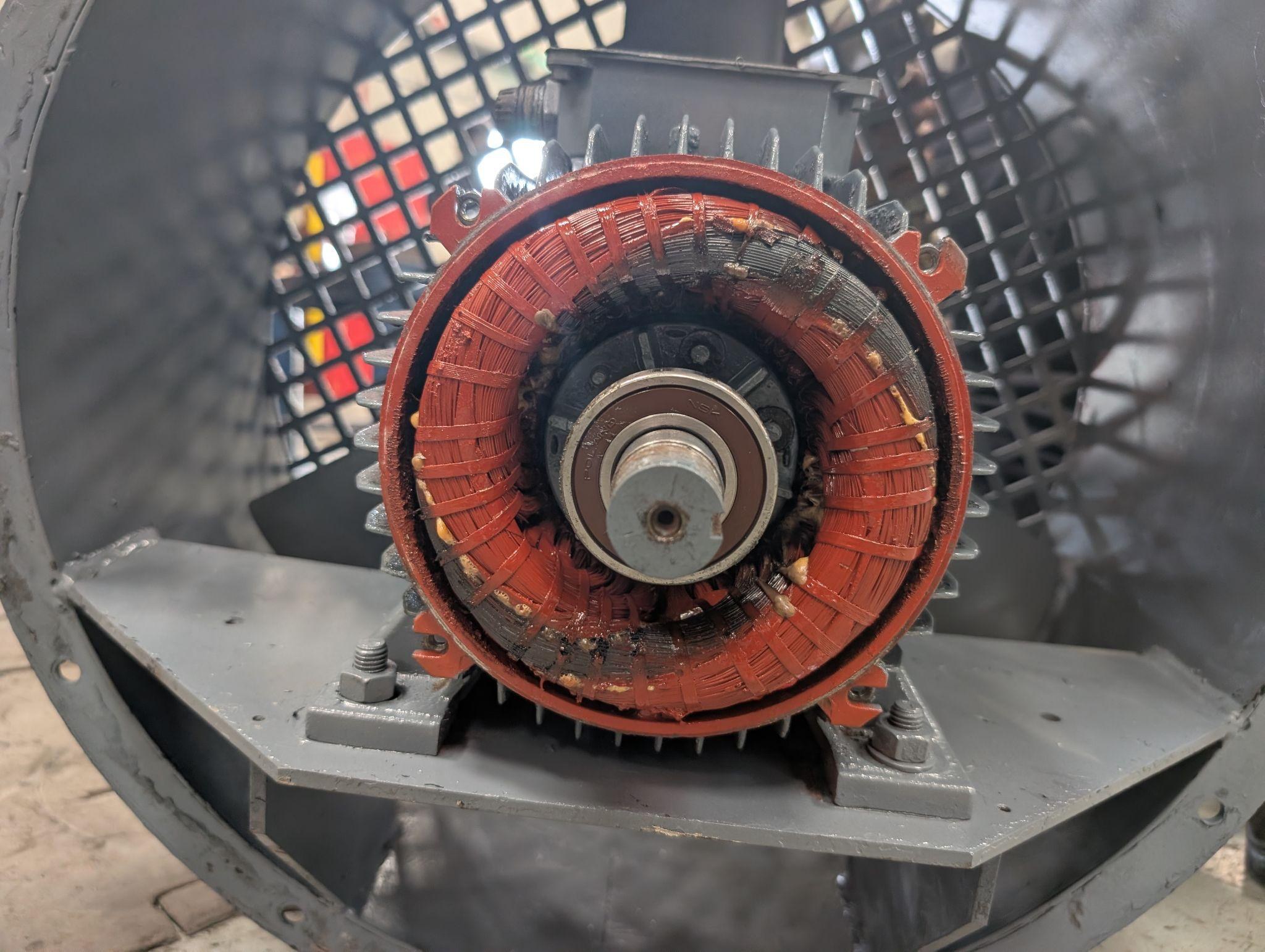
This is the core of DC electric motor repair:
Carefully reassemble the motor:
Vibration, overheating, and decreased efficiency can result from even the smallest misalignment.
Before you begin operating the motor again:
This step ensures your DC motor servicing efforts deliver measurable results.
Relying solely on reactive maintenance is unwise. Instead, implement a preventive maintenance strategy:
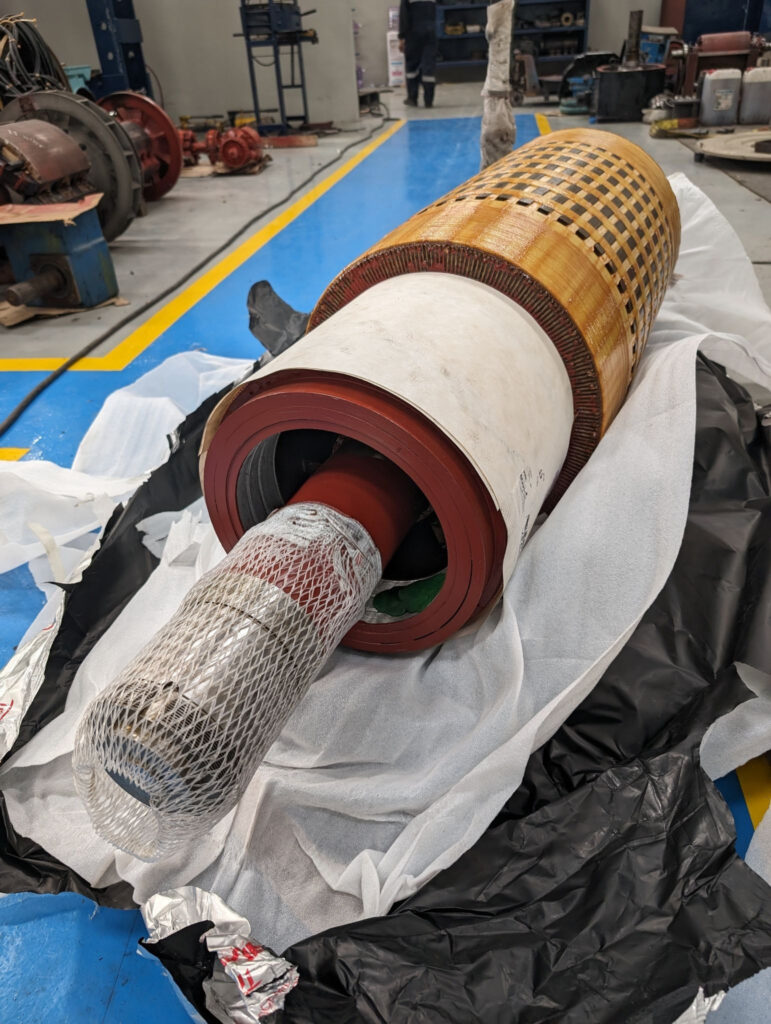
Servicing DC motors effectively requires a combination of technical skill, careful attention to detail, and consistent, well-structured procedures. Whether performing regular cleaning or tackling intricate repairs, each task contributes to the motor’s overall reliability.
In high-stakes sectors such as oil and gas, marine operations, and manufacturing, mistakes can have serious consequences. In these environments, proven experience becomes a critical advantage.
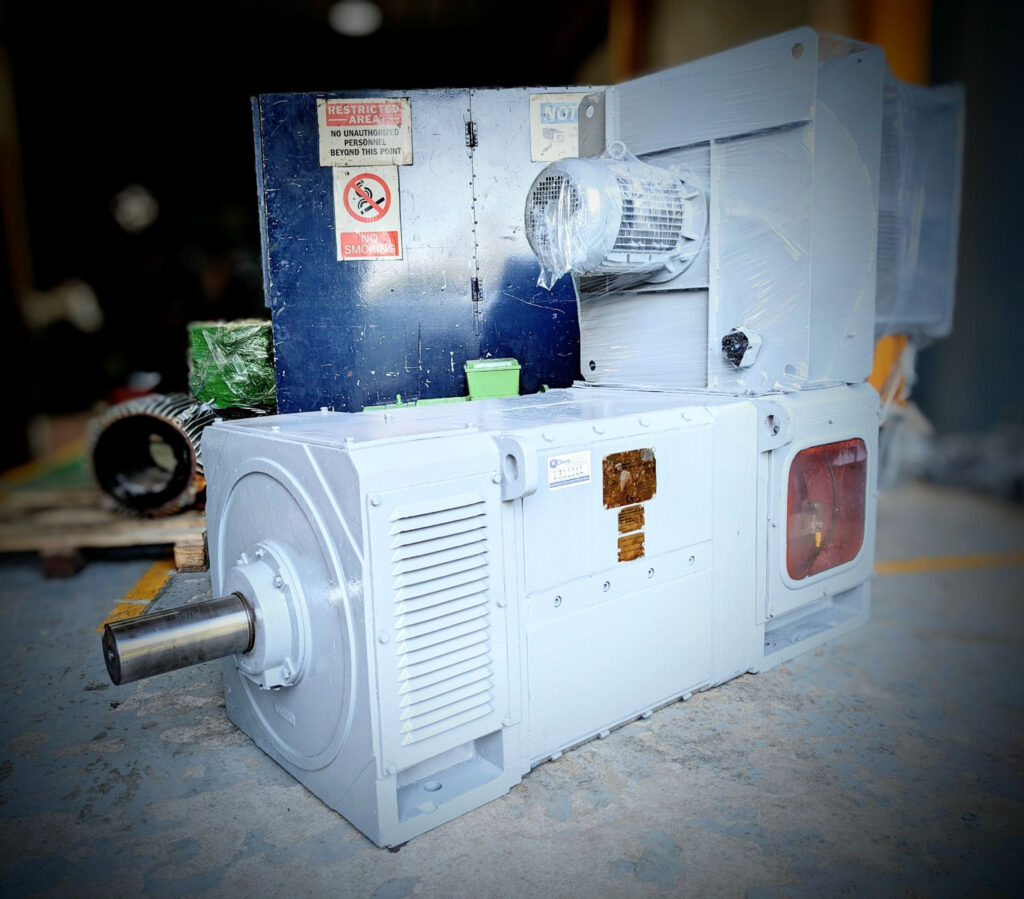
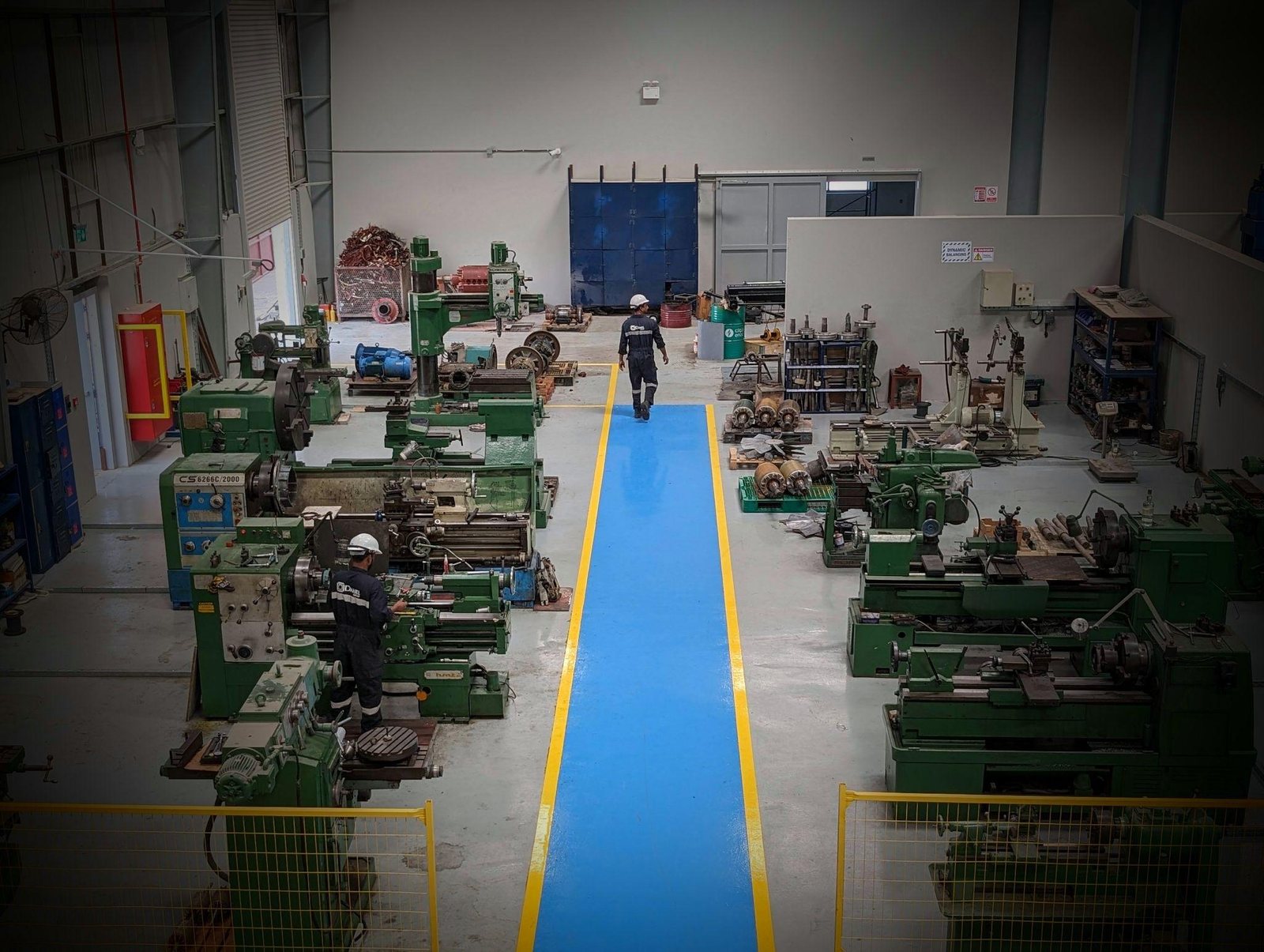
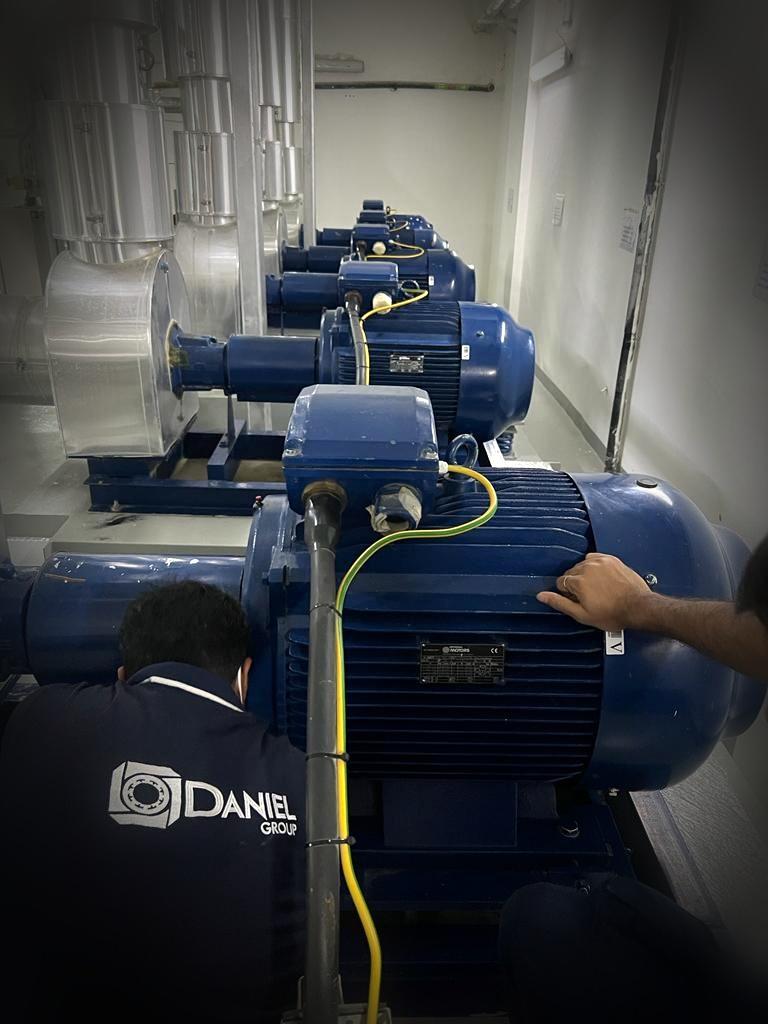
At Daniel Group, we bring practical experience together with cutting-edge diagnostic technology to provide accurate and reliable DC motor repair and maintenance services. Whether addressing small issues or performing full-scale rebuilds, our solutions are designed to minimise downtime, boost operational efficiency, and prolong the lifespan of your equipment.
Choose Daniel Group as your partner and ensure your motors consistently operate at optimal performance levels.