Author: Daniel Group
October 2nd, 2026
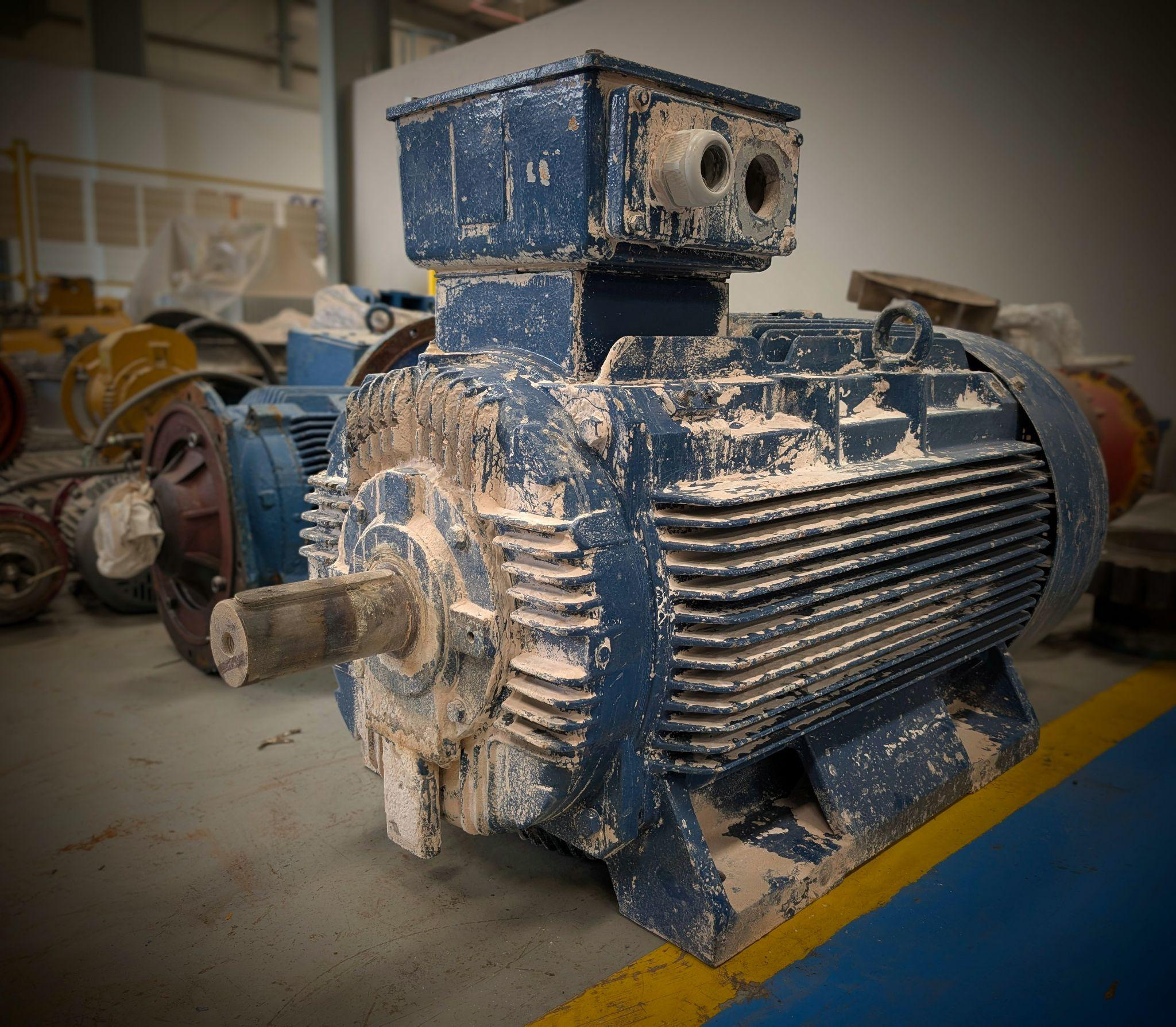
When industrial equipment needs a repair, modification, or replacement component, the work rarely involves just one process. Before a damaged component can be put back into operation, it might require machining, welding, fabrication, dimensional correction, assembly, and testing.
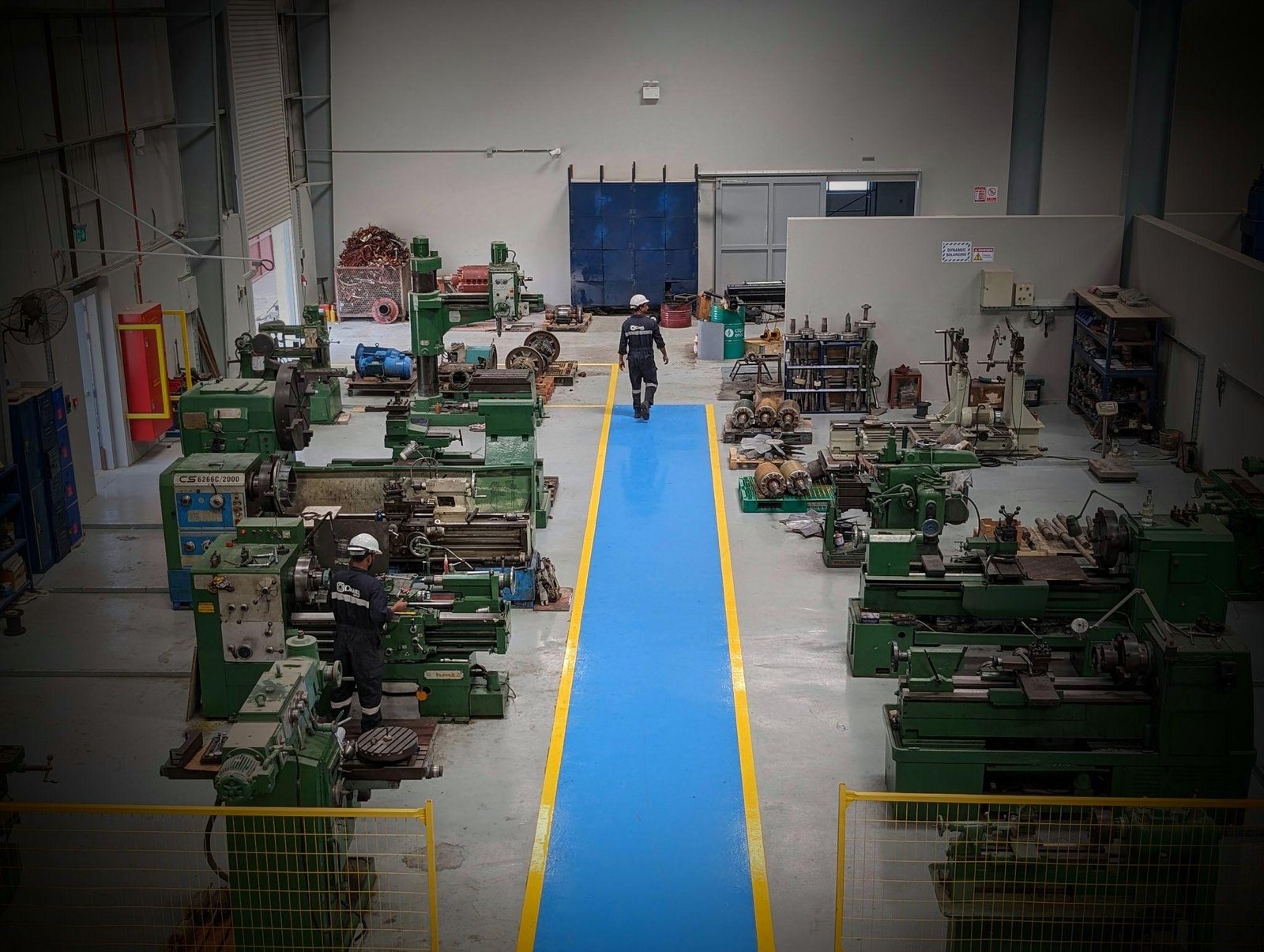
An integrated machine shop and fabrication team could have a significant role in this situation. Maintenance and workshop teams can manage complex requirements with fewer delays, communication gaps, and external dependencies when machining and fabrication skills collaborate under a single coordinated team.
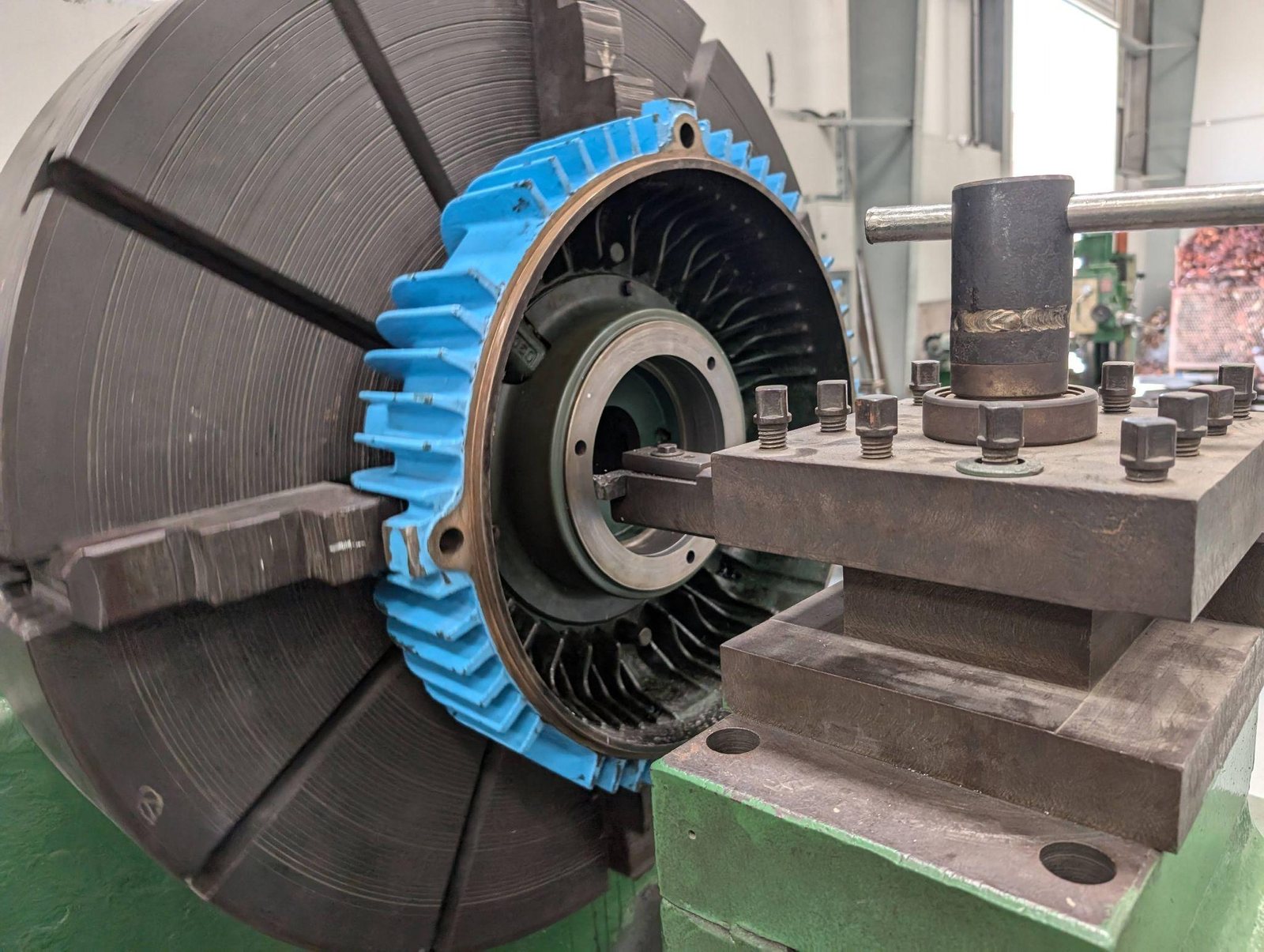
An integrated machine shop team combines machine shop and fabrication services within a coordinated engineering environment. Machining, manufacturing, modification, and maintenance can all be handled through a single workflow rather than sending different stages of a project to different vendors.
Depending on the necessity, this could include the following:
For maintenance engineers and workshop supervisors, this integrated method will simplify the process from the initial assessment through to the completed component.
Fabrication and machining are often dependent on one another. A machined component might require further fabrication or modification, or a fabricated component might need to be machined to achieve the required dimensions.
With machine shop and fabrication integration, the teams can have direct communication on dimensions, tolerances, materials and assembly requirements. This reduces the risk of losing data when dealing with multiple vendors.
The result is better coordination and fewer rework issues that could be avoided.
Equipment downtime puts a strain on maintenance teams, which is why a clear overhauling procedure matters. Waiting for a component to be transferred between different workshops can extend the repair time.
An integrated setup enables the coordination of multiple stages of the job in the same operation. Precision machining services, fabrication and related repair work can thus proceed with fewer handovers.
This can be particularly useful when a custom component needs to be produced quickly to return equipment to service.
Ensuring uniformity across stages becomes more challenging when multiple providers handle fabrication and machining.
An integrated team can maintain closer control over materials, dimensions, fabrication methods, machining requirements, and final fitment. This is particularly important for components where even a tiny dimensional inaccuracy could affect equipment performance, much as skipping dynamic balancing does on rotating machinery.
Better process control can translate into more reliable components and fewer repeat jobs.
Not every industrial repair follows a standard procedure. Sometimes it becomes necessary to recreate an obsolete component. In other cases, an existing component may need modification because of changes in the original design or operating conditions.
Integrated machine shop services help to evaluate the problem and to develop a practical solution. The same team can evaluate the component, determine the machining or fabrication requirements and carry out the work needed.
This makes integrated fabrication especially useful for industrial equipment fabrication, modifications and specialised maintenance requirements.
Managing multiple contractors for a single repair might call for maintenance personnel to put in more work to coordinate. Each supplier may have different timelines, processes, and communication channels.
Working with an integrated team decreases the amount of handovers involved. It provides a more direct point of contact for the job, especially for maintenance engineers and workshop supervisors. Fewer dependencies can mean simpler project management and better visibility over the repair process.
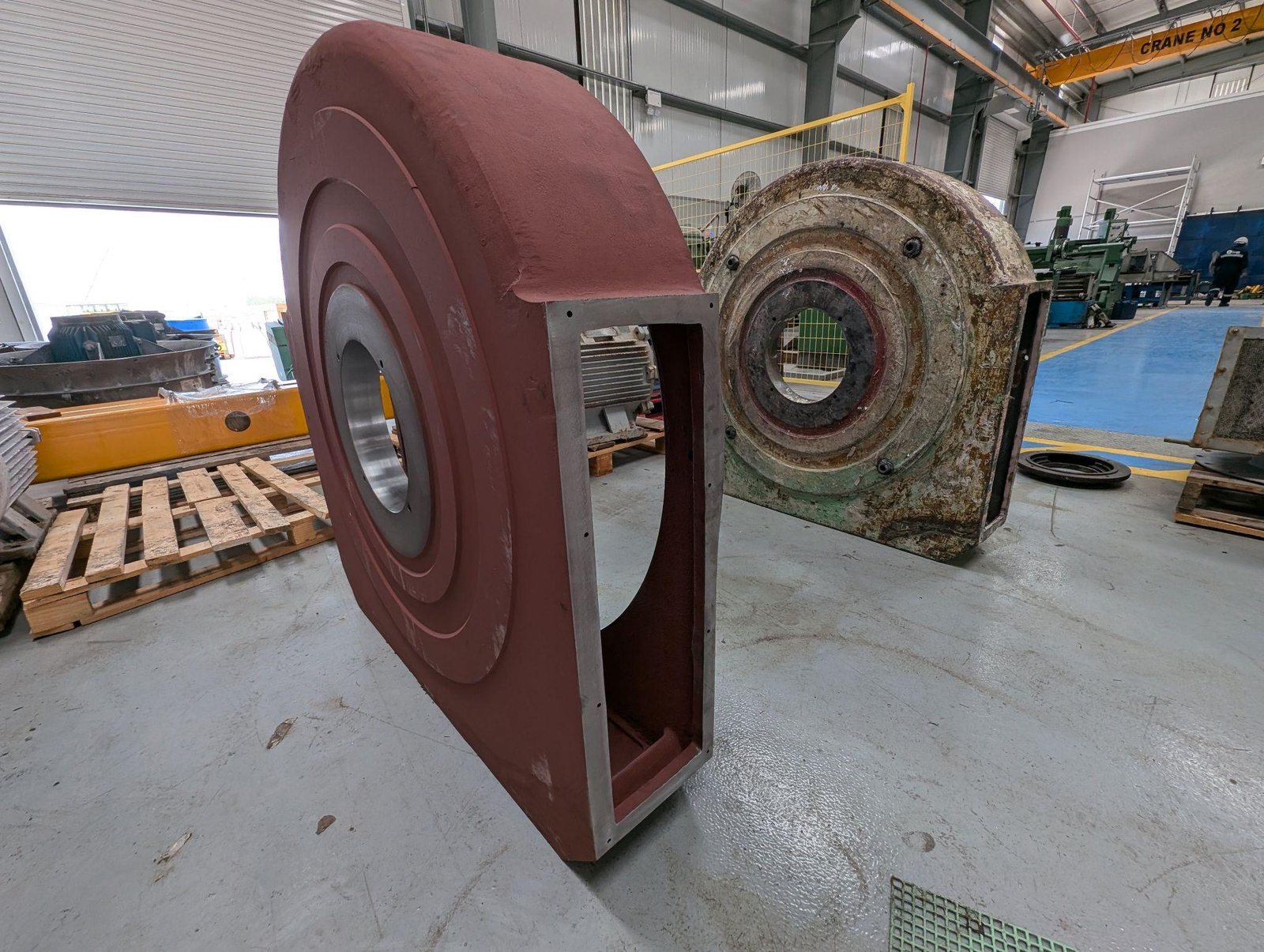
The real advantage of having an integrated machine shop and fabrication team is not just the convenience of having more services in one place. It is the ability to bring together different technical processes around the underlying issue.
Whether the requirement involves machinery repair and fabrication, a replacement component, dimensional correction or a custom modification, coordination between engineering, machining and fabrication teams can help produce a more practical solution.
For maintenance teams working on critical equipment, from electric motors to pumps and gearboxes, that coordination can make a real difference in the quality of repairs, the turnaround time and the reliability of the equipment.
It is a team that combines machine shop and fabrication services within one coordinated engineering environment. Machining, manufacturing, modification and maintenance are handled through a single workflow rather than sending different stages of a project to different vendors.
Depending on the requirement, it can cover precision machining and dimensional correction, custom metal and equipment fabrication, component repair and modification, welding, replacement component manufacturing, assembly and fit-up, and inspection and quality checks.
Waiting for a component to be transferred between different workshops extends the repair time. In an integrated setup, machining, fabrication and related repair work proceed with fewer handovers, which helps when a custom component has to be produced quickly to return equipment to service.
It is especially useful when a repair does not follow a standard procedure, for example when an obsolete component has to be recreated or an existing component needs modification because the original design or operating conditions have changed.
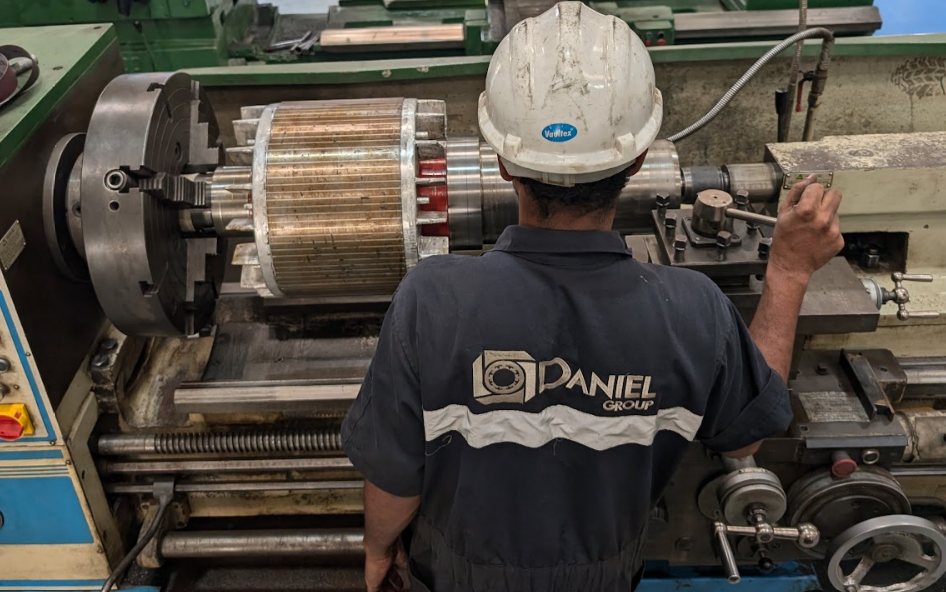
Industrial repair requirements are rarely identical. They require technical evaluation, practical engineering choices, and an appropriate combination of fabrication and machining skills.
At Daniel Group in the UAE, our integrated machine shop and fabrication approach brings engineering expertise, machining, fabrication, and problem-solving together to support demanding industrial requirements. If your equipment needs a custom component, repair, modification, or fabrication solution, partner with Daniel Group for a coordinated approach from assessment to completion.