Author: Daniel Group
August 17th, 2026
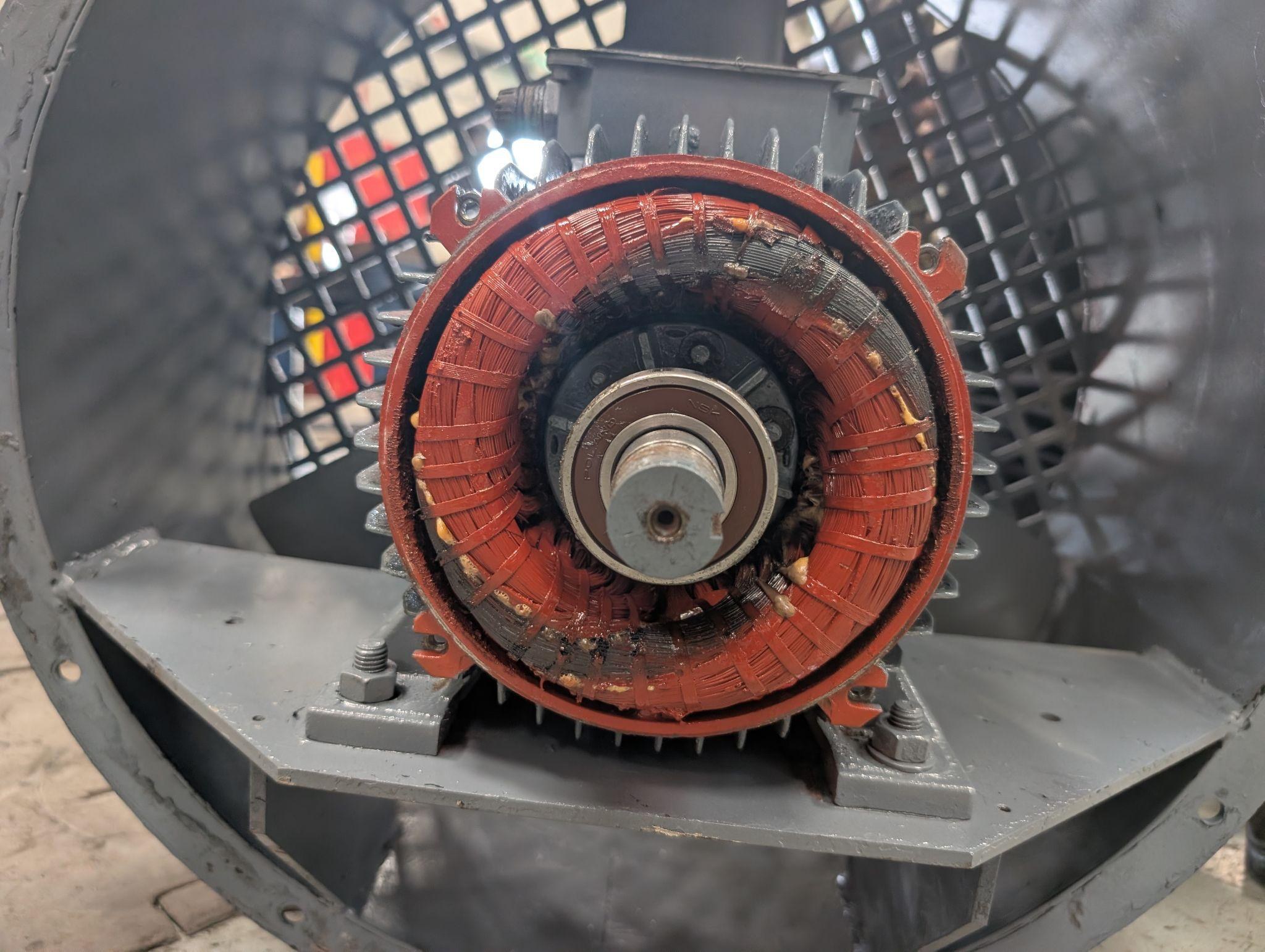
Although industrial motors are designed to endure harsh operating conditions, even the strongest devices have vulnerable components. The stator core is one of the most overlooked. The stator core itself is vital for motor efficiency and dependability, even though maintenance teams frequently concentrate on bearings, windings, and insulation.
The repercussions of ignoring stator core damage can go well beyond decreased efficiency. It can result in costly downtime, frequent failures, and a marked reduction in motor life.
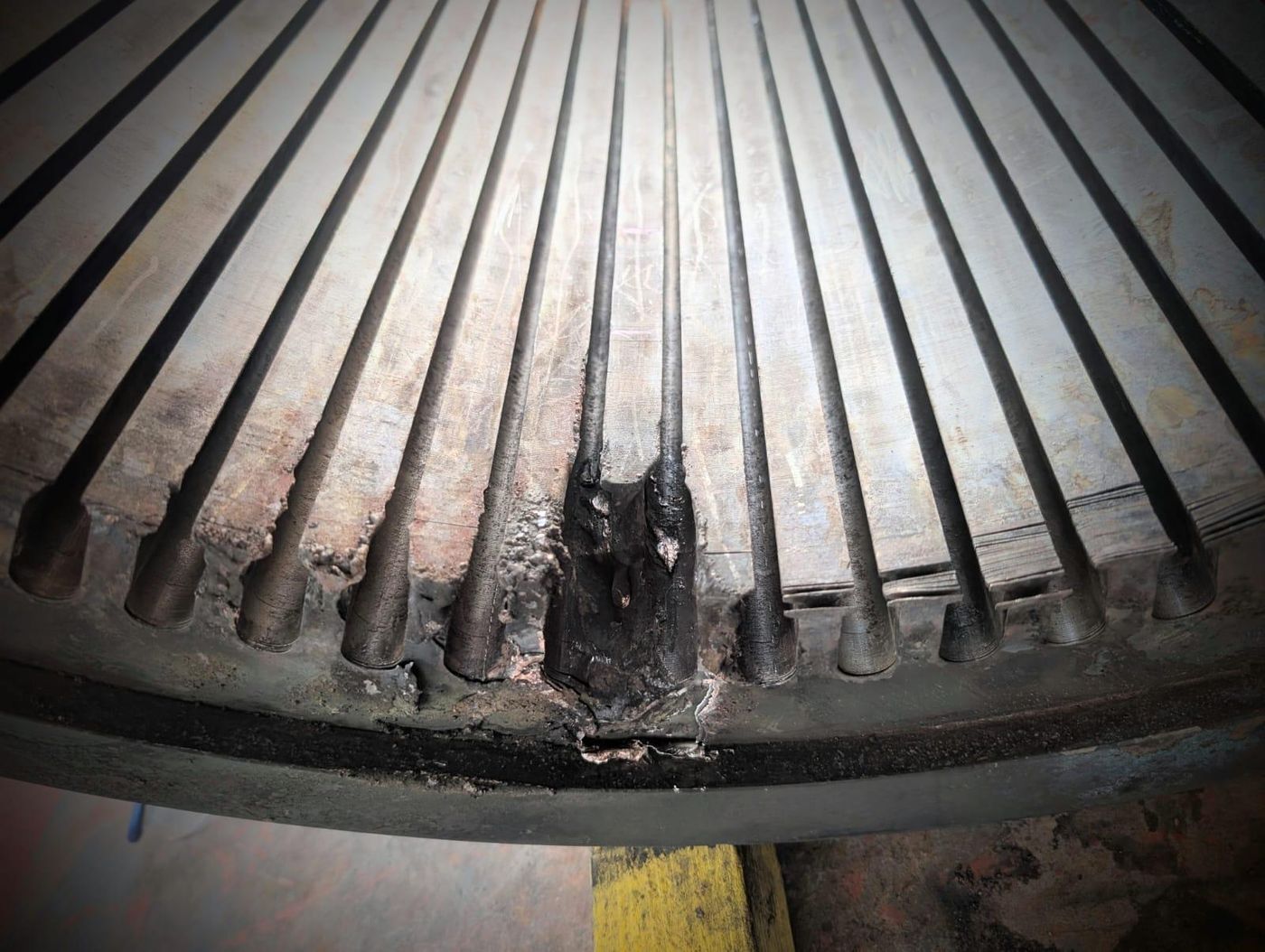
The electric motor stator core forms the circuit that allows an electric motor to convert electrical energy into mechanical power. It is made of insulated steel laminations and is intended to decrease eddy current losses while preserving effective magnetic flux.
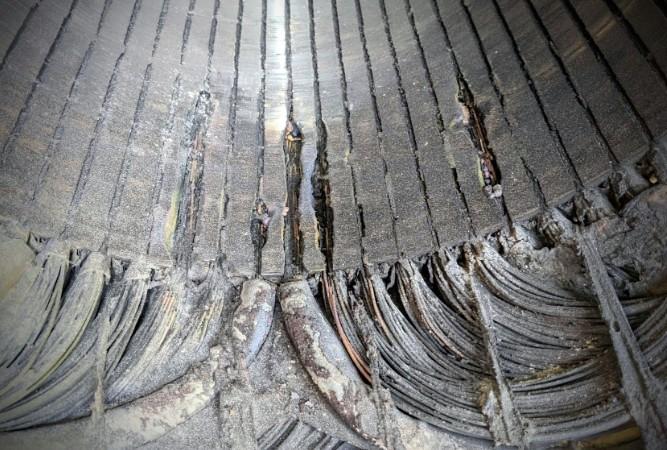
However, these laminations or their insulation might get damaged due to years of use, overheating, vibration, electrical problems, or incorrect handling during disassembly. Localised hot patches caused by even seemingly insignificant flaws can jeopardise the motor as a whole.
For this reason, during major overhauls, electric motor stator core repair should never be considered an optional step.
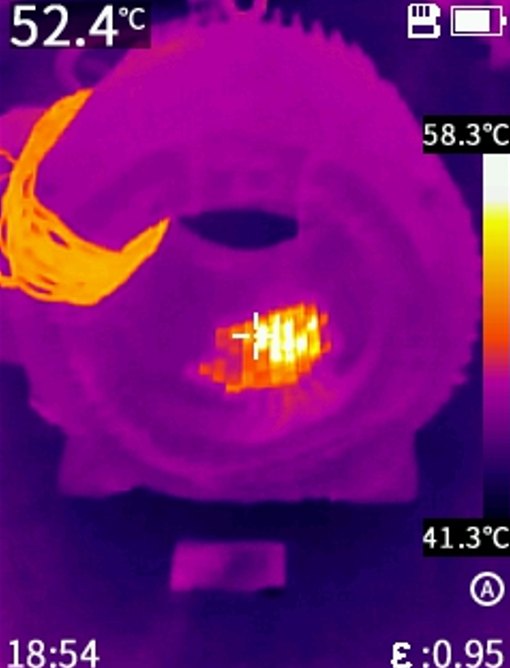
Problems rarely remain isolated when stator core defects are not addressed. Rather, they usually get worse over time.
The typical consequences include:
Organisations often invest in a full rewind just to encounter another failure because the damaged core was never inspected or repaired. The same problem usually reappears if the underlying cause is not addressed.
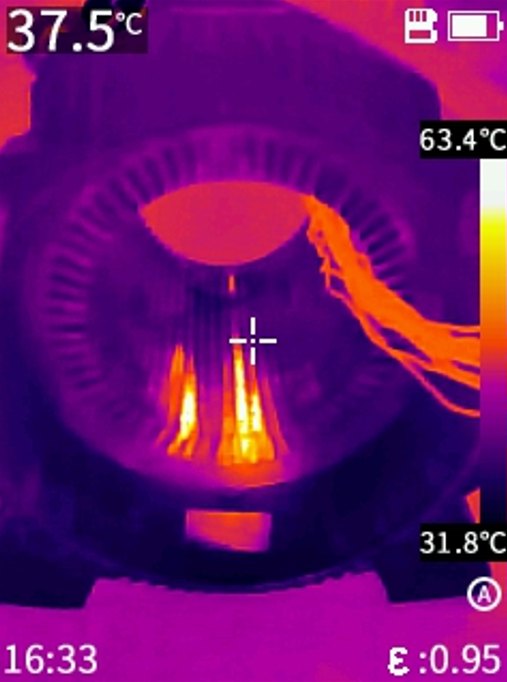
Fixing obvious damage is only one aspect of the solution. Thorough stator core testing confirms that the repaired core is safe to use again and has no undetected flaws.
Specialised techniques like core loss testing, loop testing, or EL CID testing for larger machines are often included in a professional stator core test procedure. These assessments aid in determining:
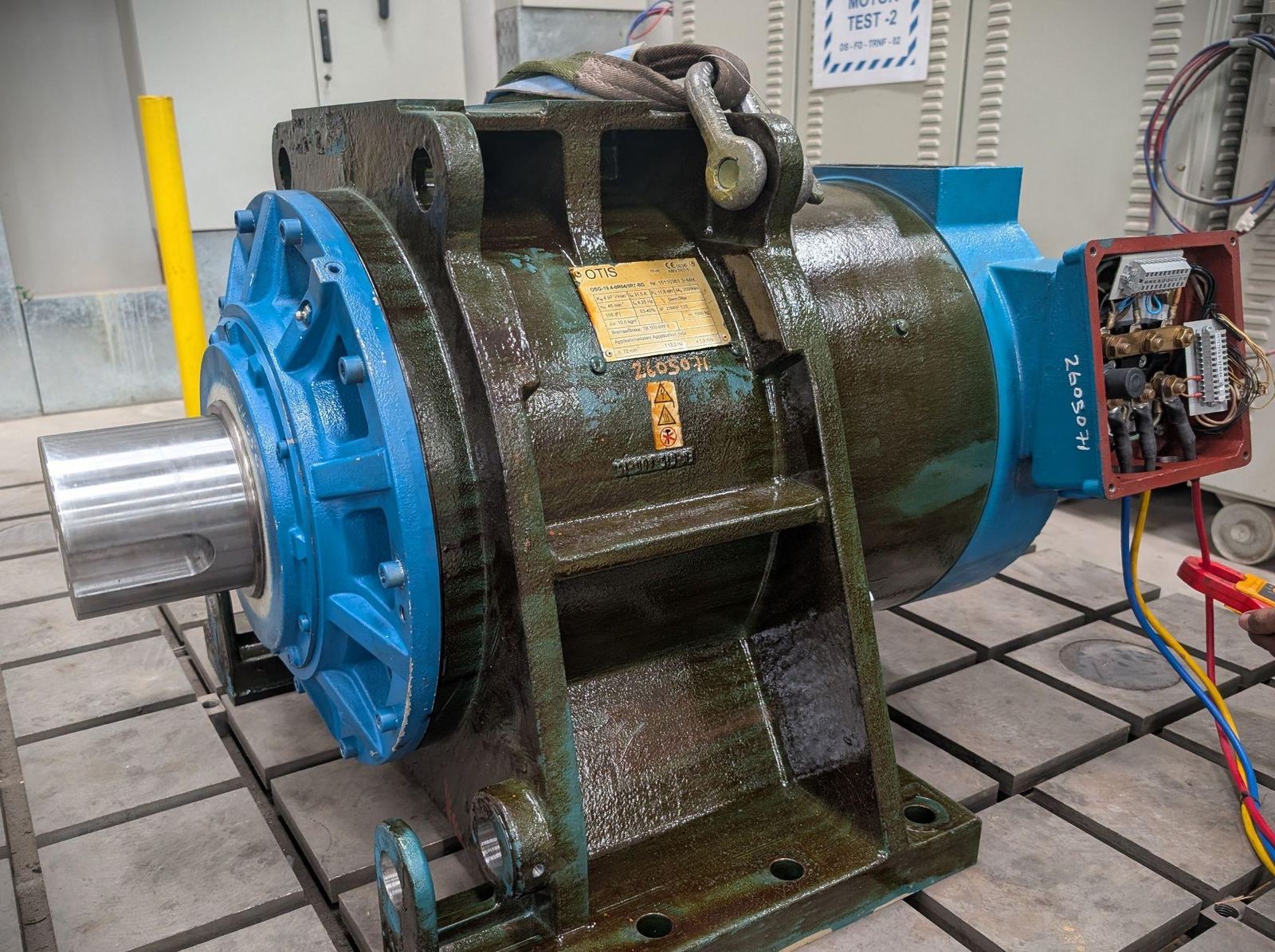
Testing provides maintenance teams with confidence that the repaired core will perform as intended under full operating conditions, in the same way a no-load performance test validates the finished machine.
Ignoring this step adds unnecessary risk, especially for motors in continuous-process industries where dependability is essential.
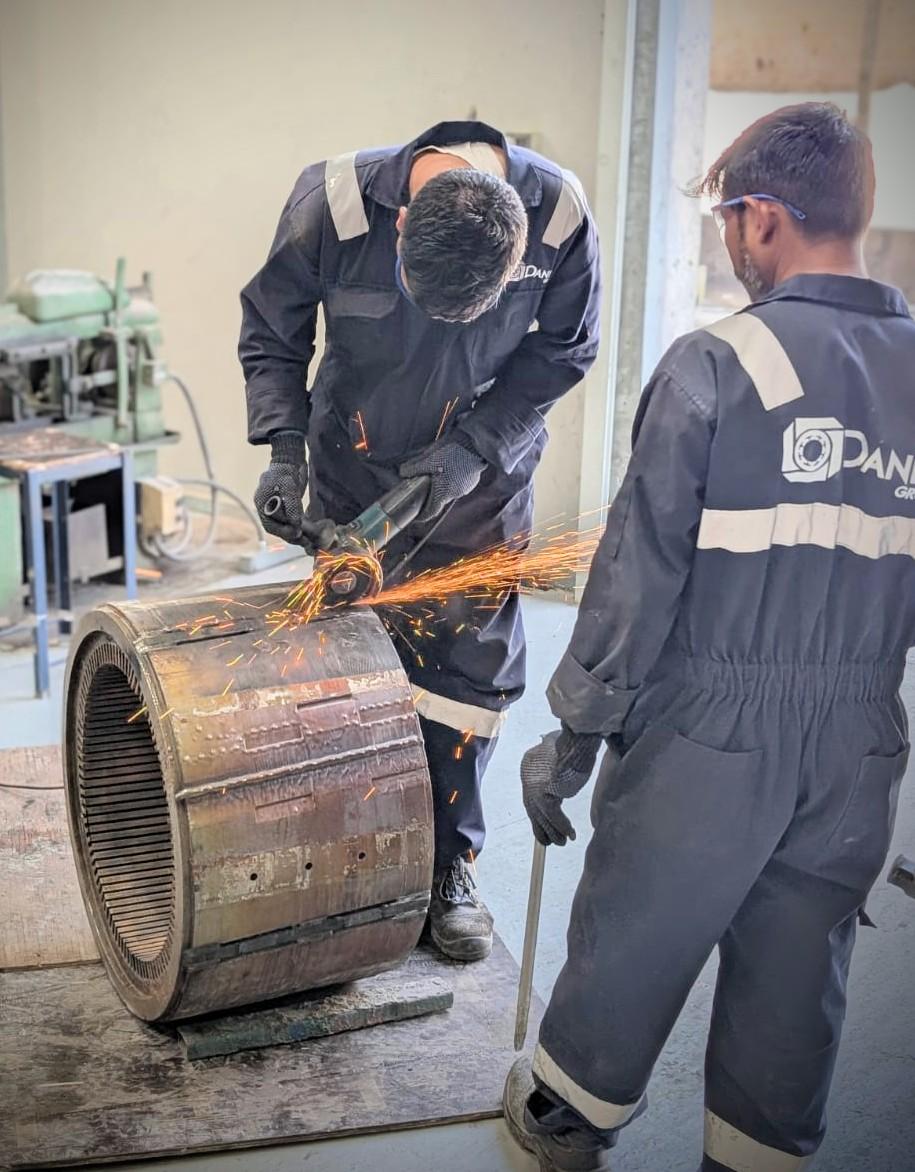
A skilled stator core repair procedure involves a more comprehensive process than merely fixing visible damage. It usually includes the following:
Instead of handling each repair separately, technicians make sure that every part functions as a dependable system by combining the repair procedure with winding restoration.
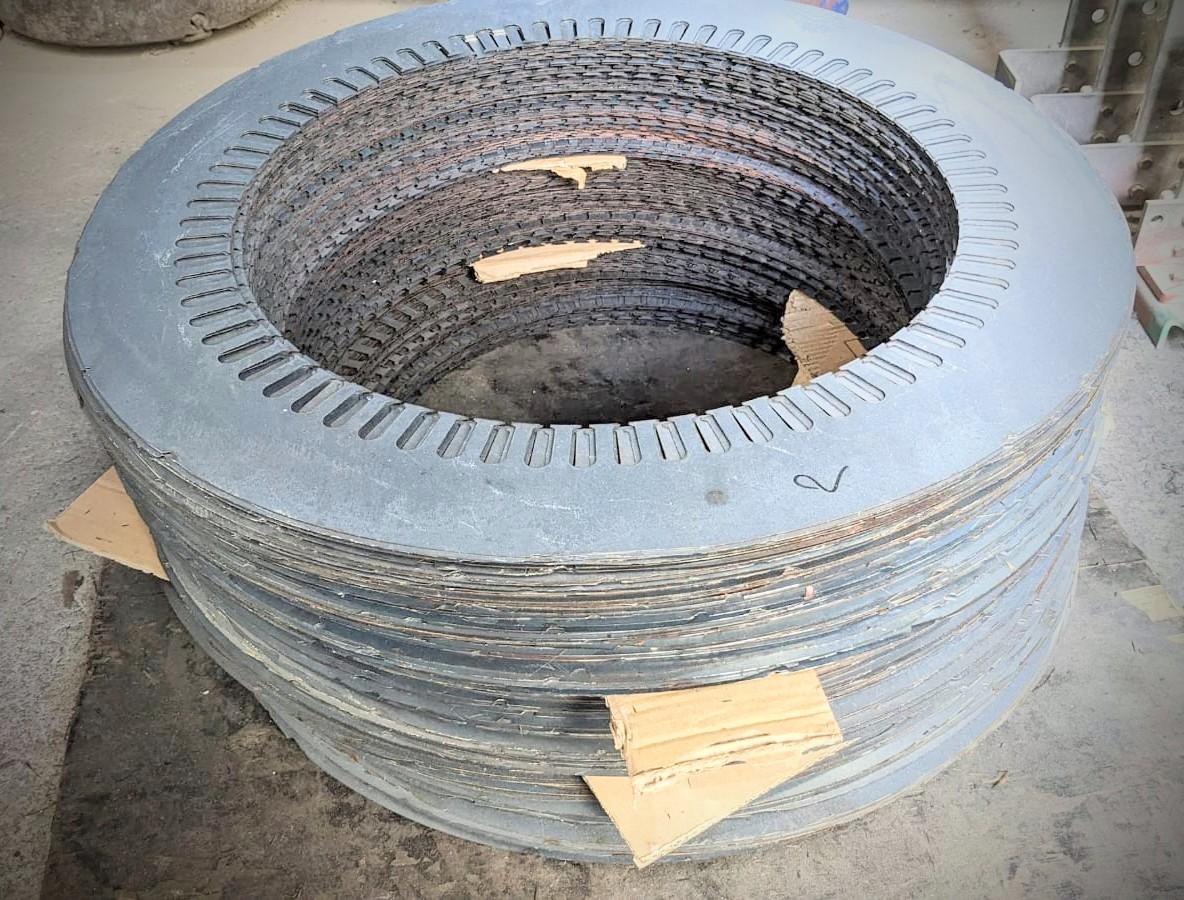
Preventing future failures is the goal of effective stator core maintenance, rather than simply repairing damage that already exists.
Maintenance technicians can identify deterioration before it impacts output by conducting routine inspections during planned overhauls. When paired with expert motor stator repair, this proactive strategy can provide:
When compared to the cost of an unplanned shutdown or a second rewind brought on by an undiagnosed core fault, the cost of fixing a stator core is often minimal.
The insulated steel laminations that make up the core, or the insulation between them, can be damaged by years of service, overheating, vibration, electrical faults, or incorrect handling during disassembly. Even flaws that look insignificant can create localised hot patches that compromise the whole motor.
Because the core was never inspected or repaired. Organisations often invest in a full rewind and then meet another failure, since a damaged core keeps generating the losses and localised heat that destroyed the previous winding. If the underlying cause is not addressed, the same problem usually reappears.
A professional stator core test procedure often includes core loss testing, loop testing, or EL CID testing on larger machines. Together these identify shorted laminations, damaged interlaminar insulation, localised heating zones, magnetic irregularities and hidden defects that are not visible during a visual inspection.
Compared with the cost of an unplanned shutdown, or a second rewind caused by an undiagnosed core fault, the cost of repairing a stator core is often minimal — which is why it belongs in the scope of a planned overhaul rather than being treated as an extra.
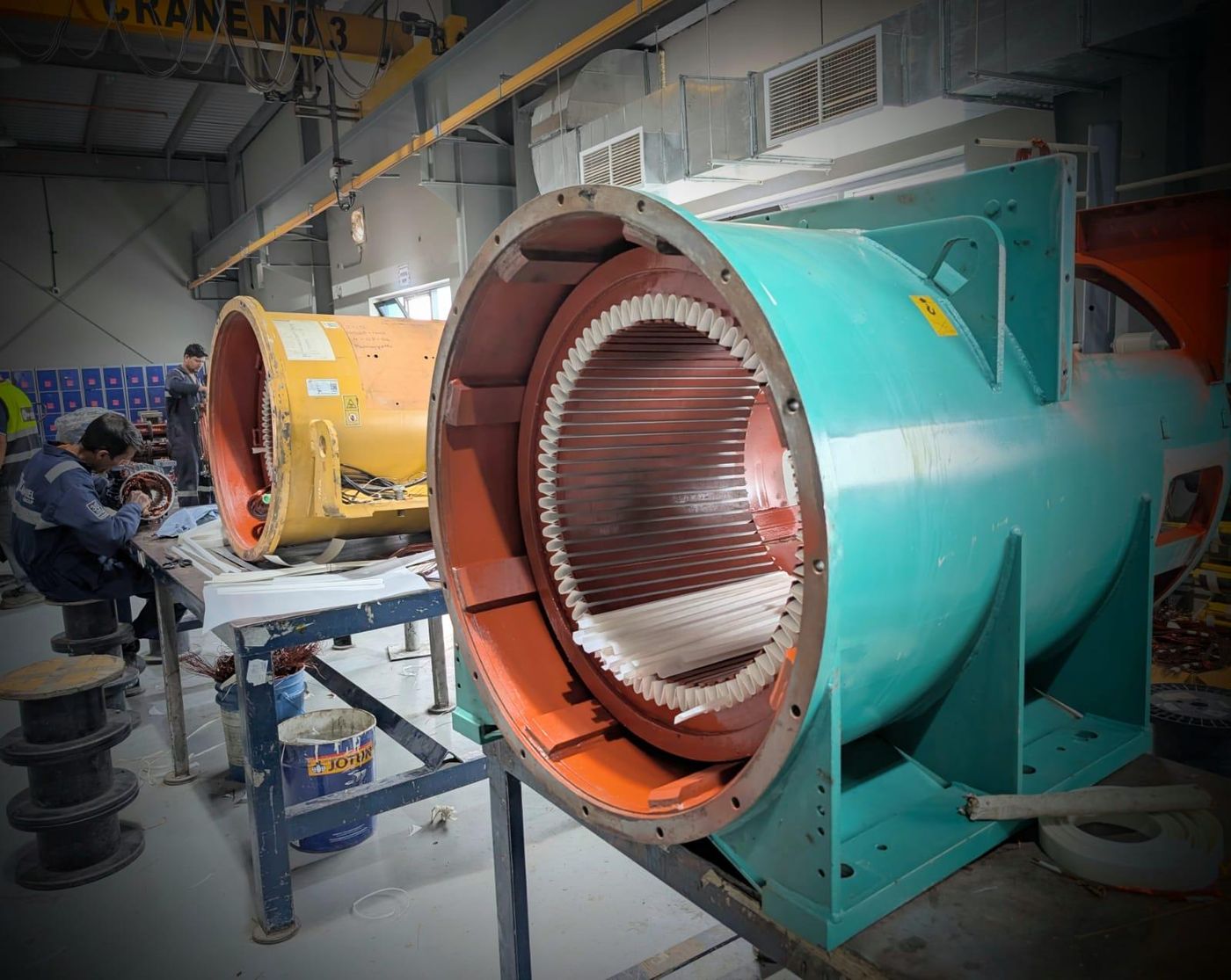
Replacing worn parts is only one step in a successful motor overhaul. To guarantee that the machine can continue to function safely and effectively for many years to come, a thorough evaluation of the machine, which includes the stator core, is a must.
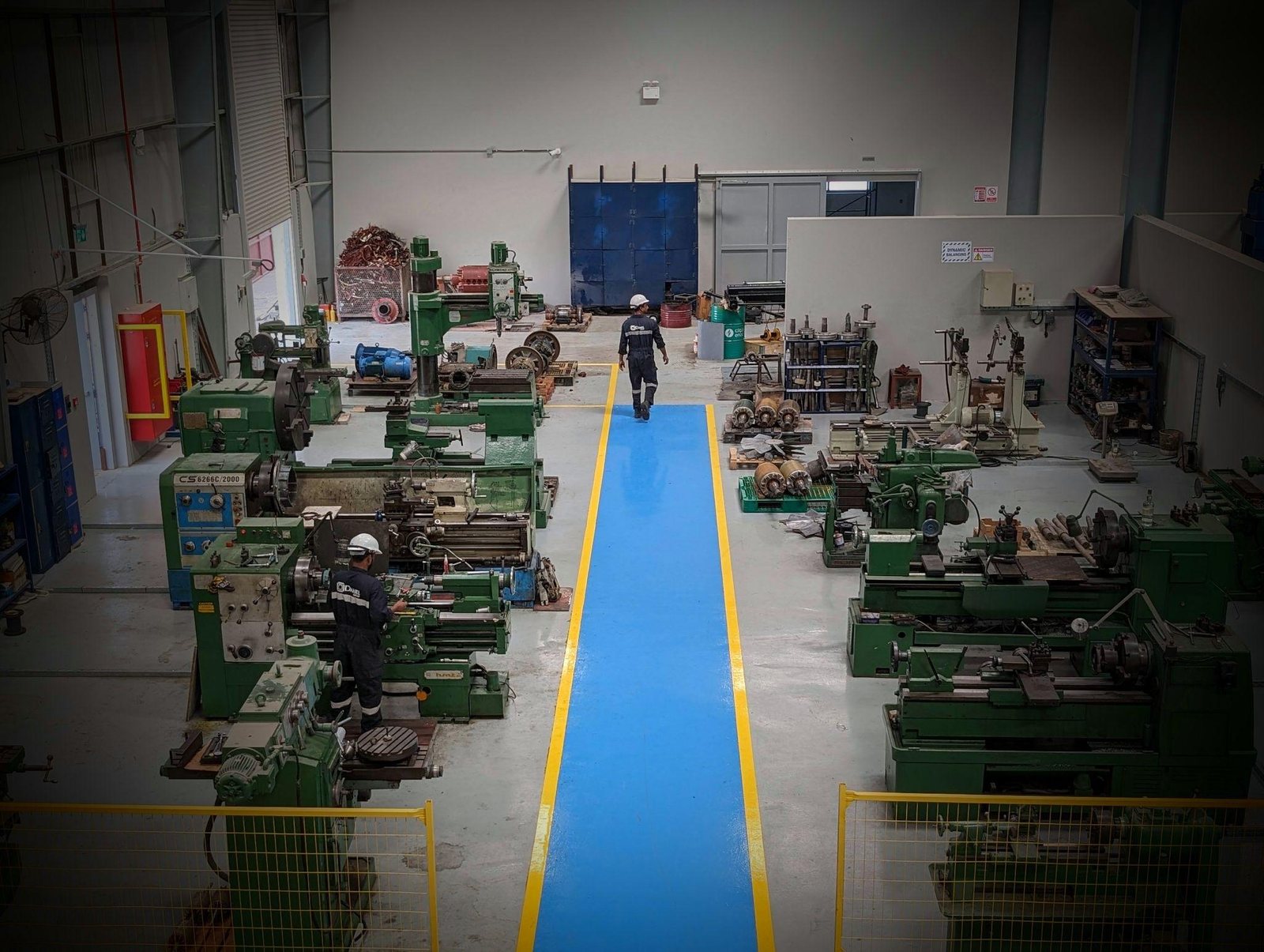
Daniel Group‘s experienced engineers offer comprehensive stator core repair, advanced testing and complete overhaul solutions for industrial motors in power generation, cement, oil & gas, marine, water treatment and other heavy industries. We ensure that every motor is ready for dependable long-term performance through detailed inspections, precision repairs and certified testing.
Stop hidden stator core defects from becoming tomorrow’s expensive failure. Join together with Daniel Group for professional electric motor stator core repair, comprehensive testing, and trustworthy overhaul solutions that will keep your business operating with assurance.