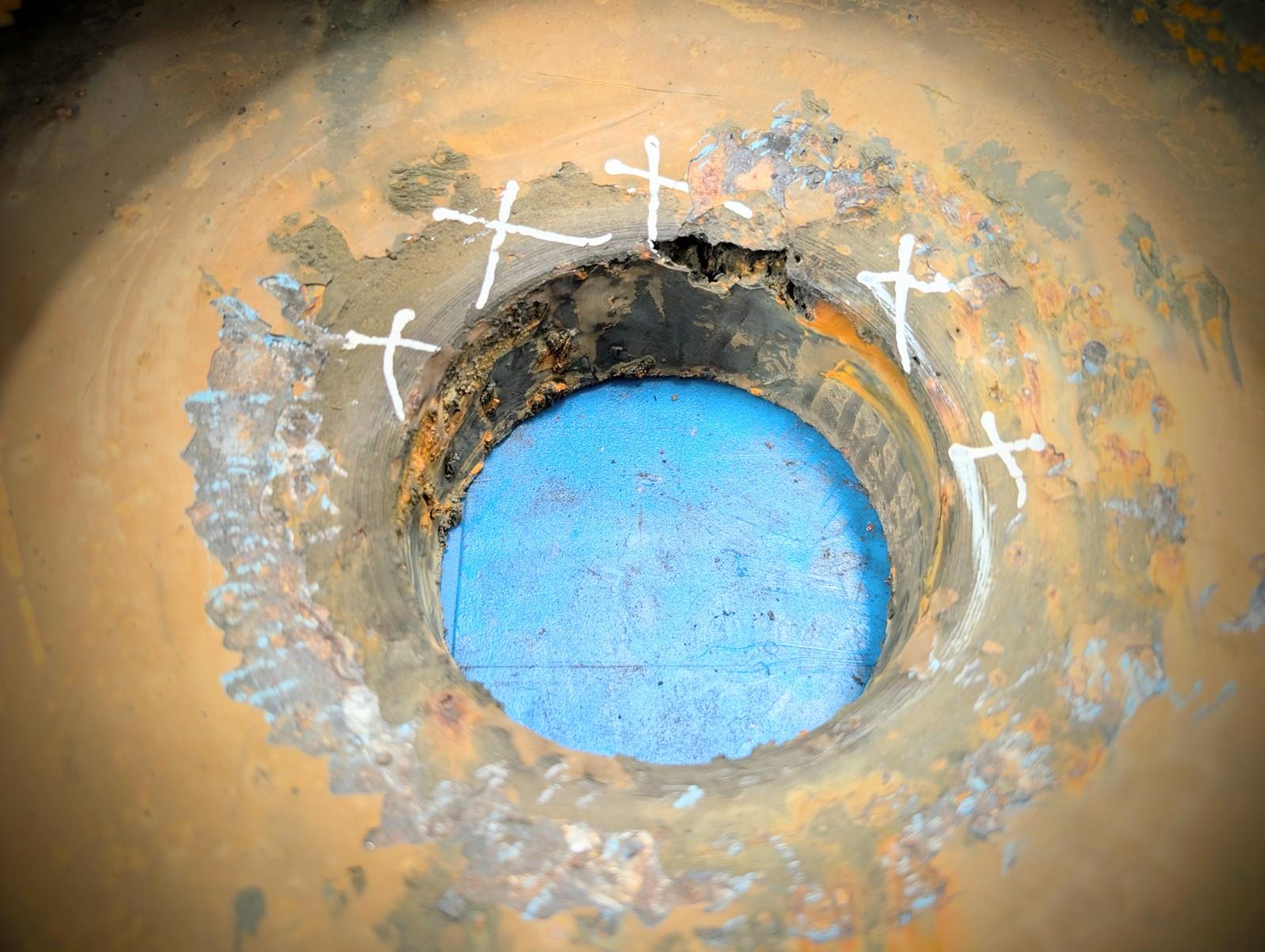
Ceramic coating protects pump impellers and volutes by laying a smooth, impermeable barrier between the metal and the pumped fluid, so seawater, acids and abrasive media attack the coating instead of the casting. It is worth considering when a pump suffers repeated corrosion-related failures, falling efficiency or high maintenance costs
Read More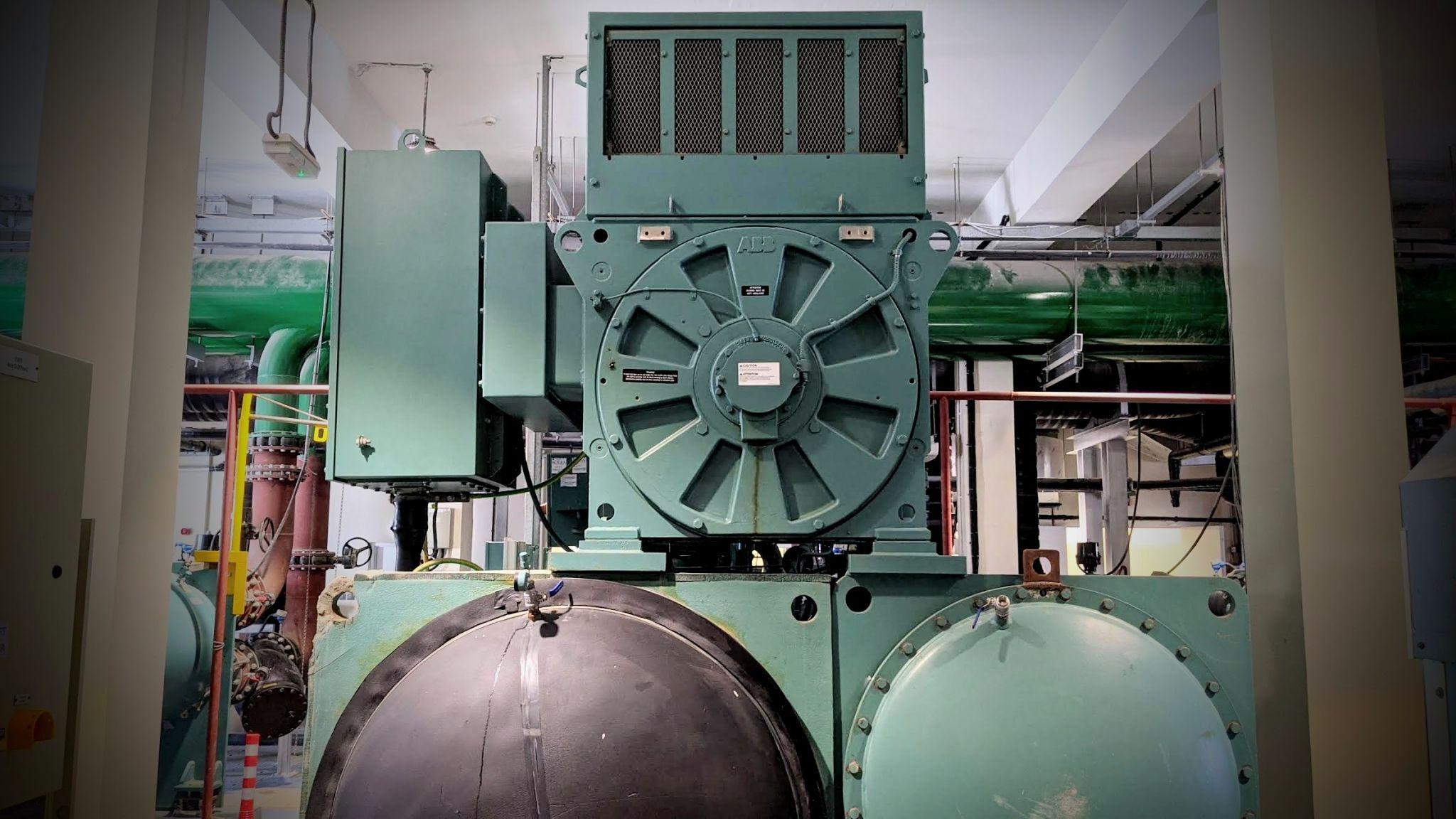
On-site motor bearing replacement lets a large kW motor have its bearings changed where it is installed, instead of being removed, transported to a workshop and reinstalled. Using custom rigging to support and shift the rotor or stator, technicians replace the bearings, realign and test the motor in place, which
Read More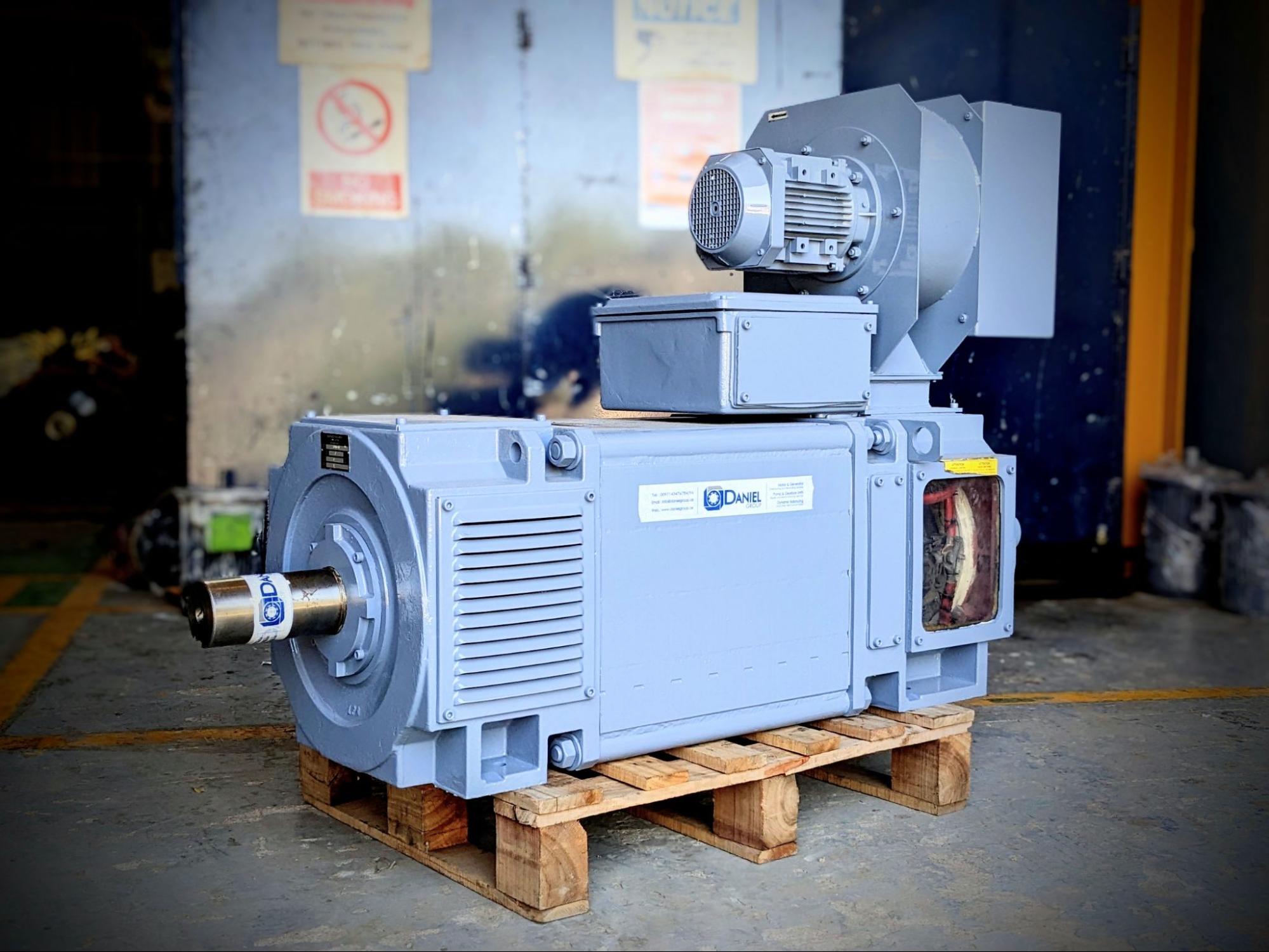
DC motor servicing takes seven steps: inspect and diagnose, disassemble safely, clean, repair the brushes, commutator, armature and bearings, reassemble and align, test under no-load and load, then plan preventive maintenance. Most DC motor repair work centres on the brushes and commutator, because these sliding-contact parts wear in service and
Read More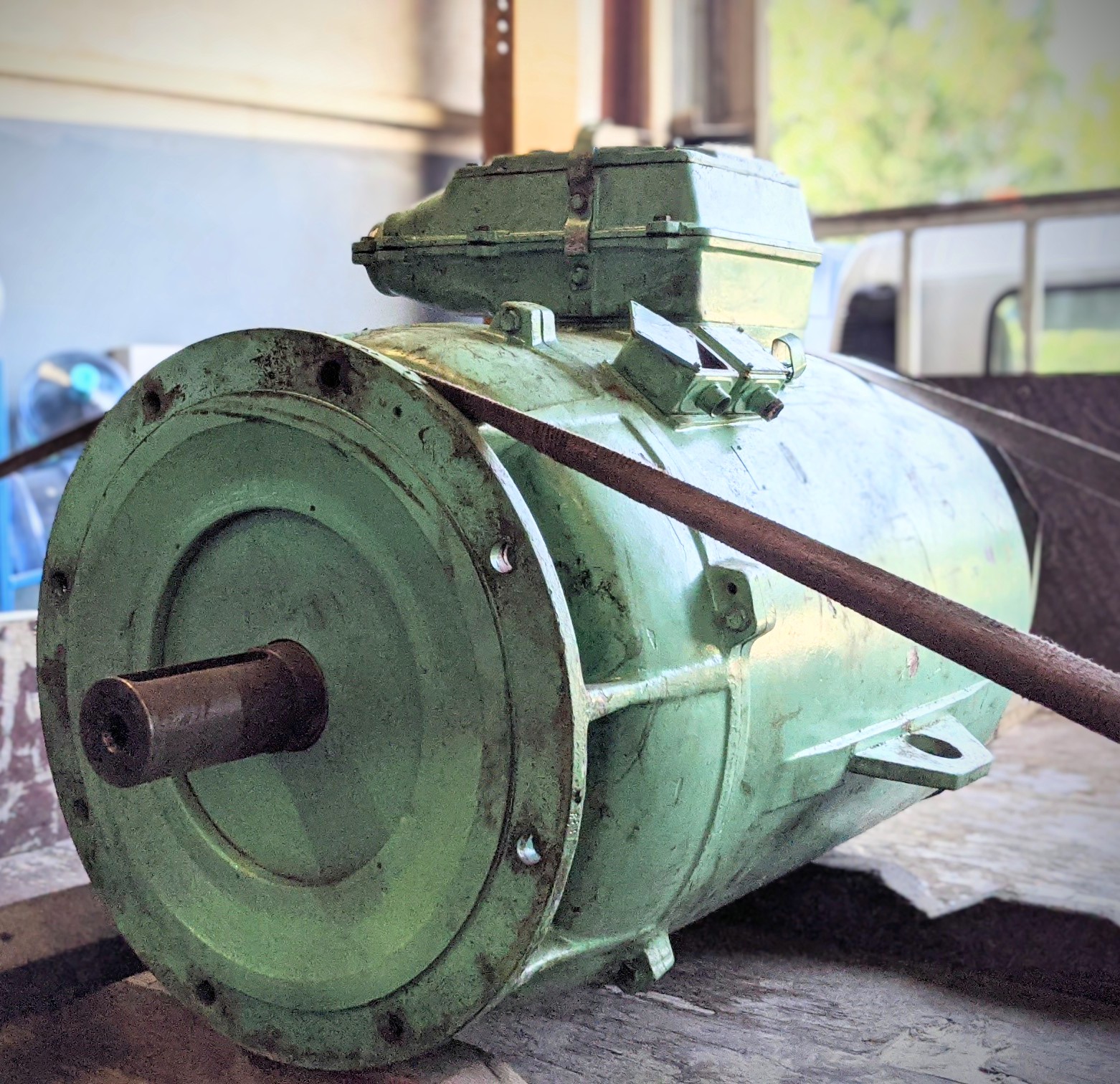
Bow thruster motor repair is needed when the electric motor shows noise or vibration, reduced thrust, frequent tripping or a burnt insulation smell. A proper overhaul covers electrical testing, dismantling and cleaning, rewinding or bearing and seal replacement, dynamic balancing and full-load testing, and can return a motor with a
Read More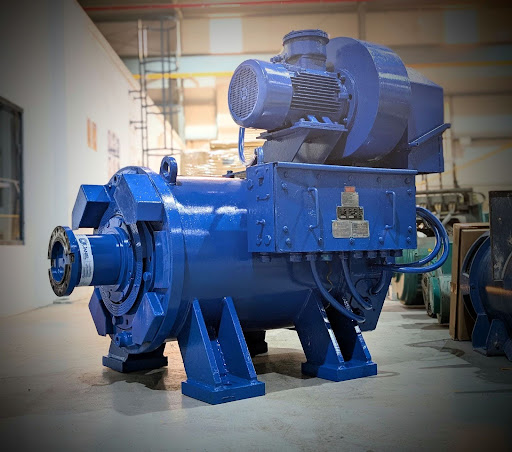
Rig motor overhauling follows eight stages: diagnostic inspection, full disassembly, deep cleaning, mechanical repair, electrical restoration or rewinding, dynamic balancing, reassembly with alignment, and final performance testing. For a 1100 kW oil and gas rig motor, each stage removes a specific failure risk, so the motor returns to the rig
Read More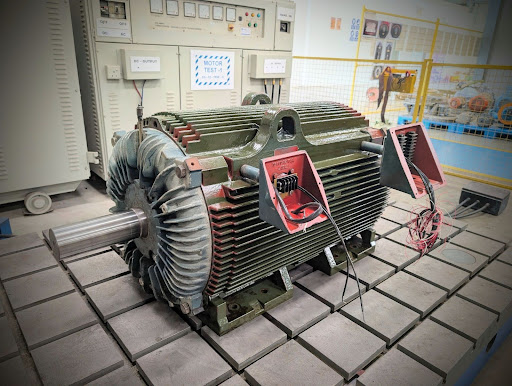
The no-load test matters because it is the first time an overhauled motor runs under power, and it exposes faults a visual inspection misses. Run at rated voltage and frequency with nothing coupled to the shaft, it shows phase current balance, vibration, bearing temperature and noise, so winding, bearing and
Read More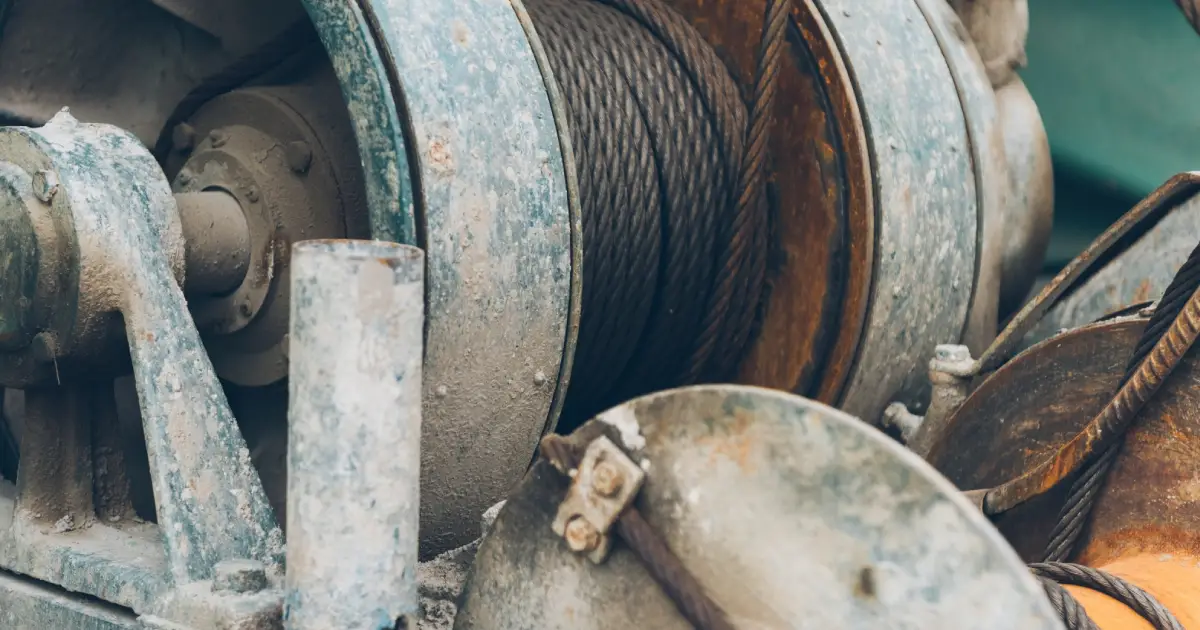
Marine generator winding corrosion is caused mainly by salt-laden air, condensation and long idle periods, which let moisture reach the copper through ageing insulation. You catch it early by trending insulation resistance and polarisation index readings, keeping space heaters on during downtime, and checking end turns and terminal boxes for
Read More
Electric motors form the foundation of almost all industrial operations. They are the ones that provide power to pumps, compressors, conveyors, fans, and a great number of other processes. However, the truth is that the majority of motor failures do not occur overnight. Most of the time, they are a
Read More
The main types of electric motors are AC and DC motors. AC motors include induction (asynchronous) and synchronous motors, built for single-phase or three-phase supply. DC motors include series, shunt and compound-wound designs. Three-phase induction motors drive most industrial pumps, fans, compressors and conveyors, while DC motors suit high-starting-torque, variable-speed
Read More