Author: Daniel Group
March 24th, 2026
In industrial maintenance workshops, completing an electric motor overhaul is only part of the job. The real measure of success comes after the repair—when the motor is tested to ensure it performs safely, efficiently, and reliably.
One of the most important verification steps in the electric motor overhauling procedure is the no-load performance test, commonly referred to as the no-load run test. This diagnostic process helps engineers confirm that the motor is mechanically sound and electrically balanced before it is returned to service.
For maintenance engineers, technicians, and workshop supervisors, this test serves as both a quality-assurance checkpoint and an early diagnostic tool that helps prevent costly failures in the field.
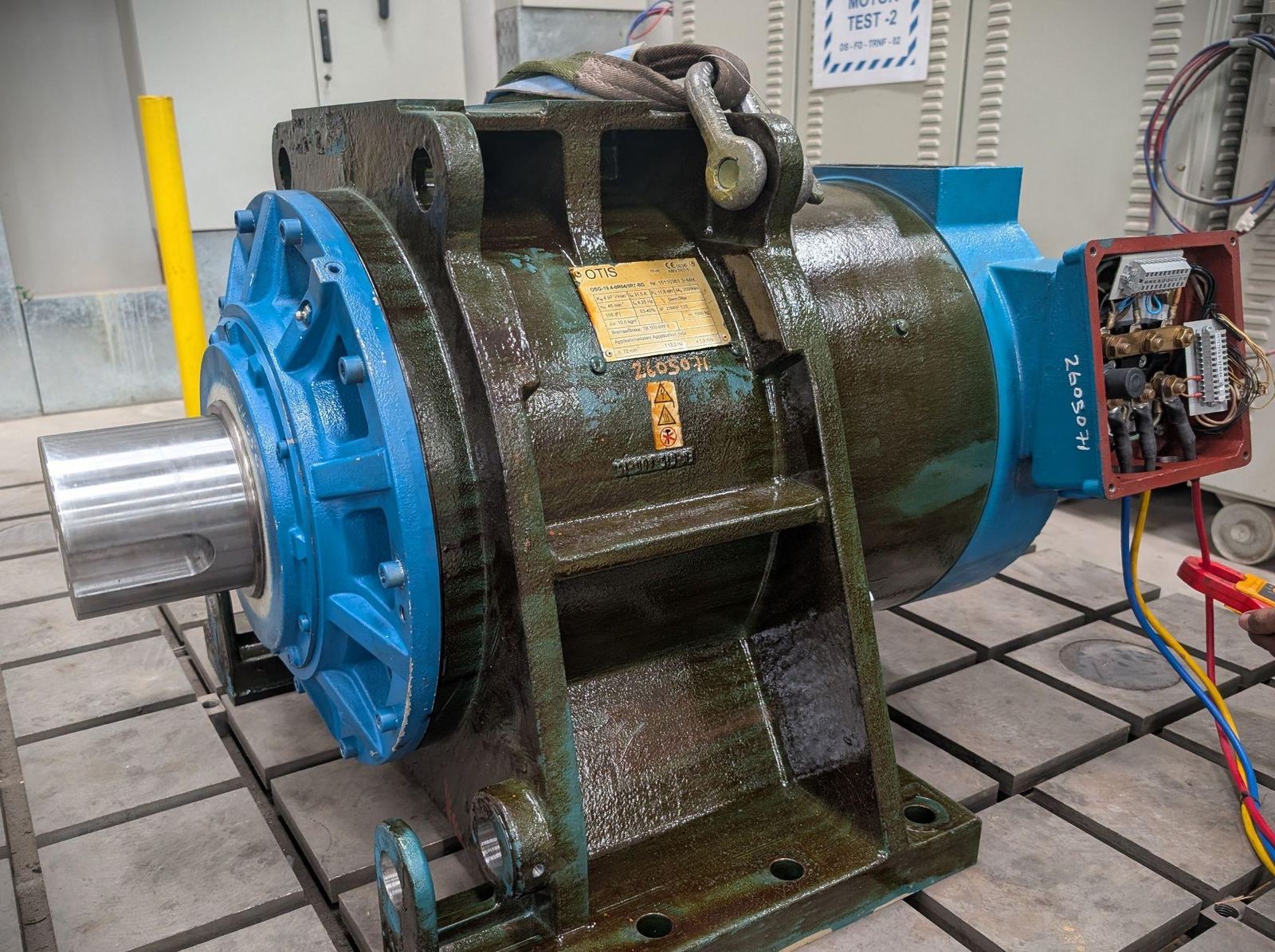
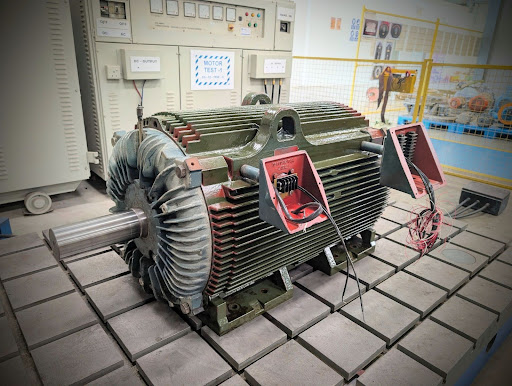
A no-load performance test involves running the motor at its rated voltage and frequency without a mechanical load. This controlled environment allows technicians to observe the motor’s behaviour under ideal conditions.
During a no-load run test, several key parameters are monitored, including:
Because the motor operates without load stress, any abnormal behaviour typically indicates internal mechanical or electrical issues that need attention before deployment.
In both small and large electric motor overhauling, this step ensures the motor is truly ready for service—not just repaired on paper.
During an electric motor overhaul, multiple components are inspected, repaired, or replaced—such as windings, bearings, insulation systems, and rotor assemblies.
The no-load performance test acts as the final validation step in the motor overhauling procedure. It confirms that:
Without this step, hidden defects may only appear after installation, when the motor is already back in service.
One of the most valuable aspects of the no-load run test is its ability to reveal electrical irregularities.
Engineers can quickly identify issues such as:
These problems might not be visible during visual inspection, but can be detected through abnormal current patterns or voltage behaviour during the no-load test.
Early detection prevents unexpected breakdowns and expensive downtime later.
Electric motors rely heavily on precise mechanical alignment. Even minor deviations can cause long-term reliability issues.
The no-load performance test allows technicians to check for:
If any of these symptoms appear during the test, the motor can be corrected immediately within the workshop.
This is especially important in small and large electric motor overhauling, where larger machines operate at higher power levels, and tolerances become even more critical.
A properly documented no-load run test also provides valuable reference data for future maintenance.
Recorded parameters such as:
become baseline performance indicators.
Maintenance teams can compare these values during later inspections to detect gradual deterioration before a failure occurs.
For plant engineers managing critical rotating equipment, this data-driven approach improves predictive maintenance planning.
To maximise the value of this test, workshops should follow a structured approach.
A reliable motor overhauling procedure typically includes:
Consistency and documentation are essential. A test without proper recording loses much of its long-term diagnostic value.
A successful electric motor overhaul is not defined by how well the repair work was done—it’s defined by how confidently the motor can return to service.
The no-load performance test provides that confidence.
It validates the entire electric motor overhauling procedure, ensures mechanical and electrical integrity, and provides valuable operational data that supports long-term reliability.
In short, repair restores the motor, but testing proves it is ready to work again.
A professional overhaul process always includes a comprehensive no-load run test to guarantee quality, reliability, and performance.
At Daniel Group, every motor overhauling procedure is backed by rigorous diagnostic testing and strict quality control standards. From small and large electric motor overhauling to detailed no-load run tests, our experienced engineers ensure that every motor leaving the workshop is fully verified and ready for real-world operating conditions.
Partner with Daniel Group to give your motors the precision overhaul and performance validation they deserve—because reliable equipment starts with reliable testing.