Author: Daniel Group
February 14th, 2026
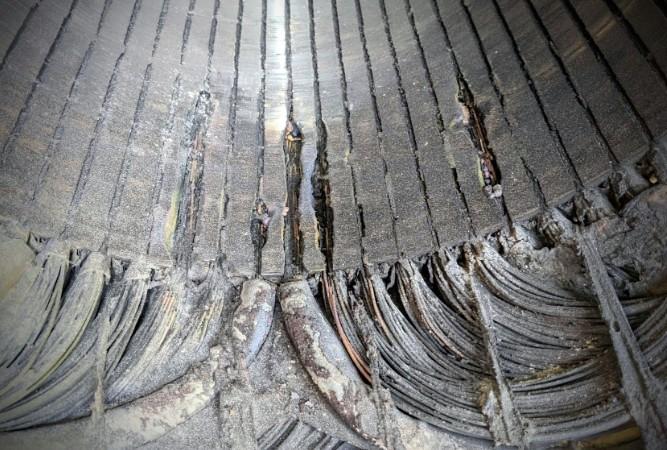
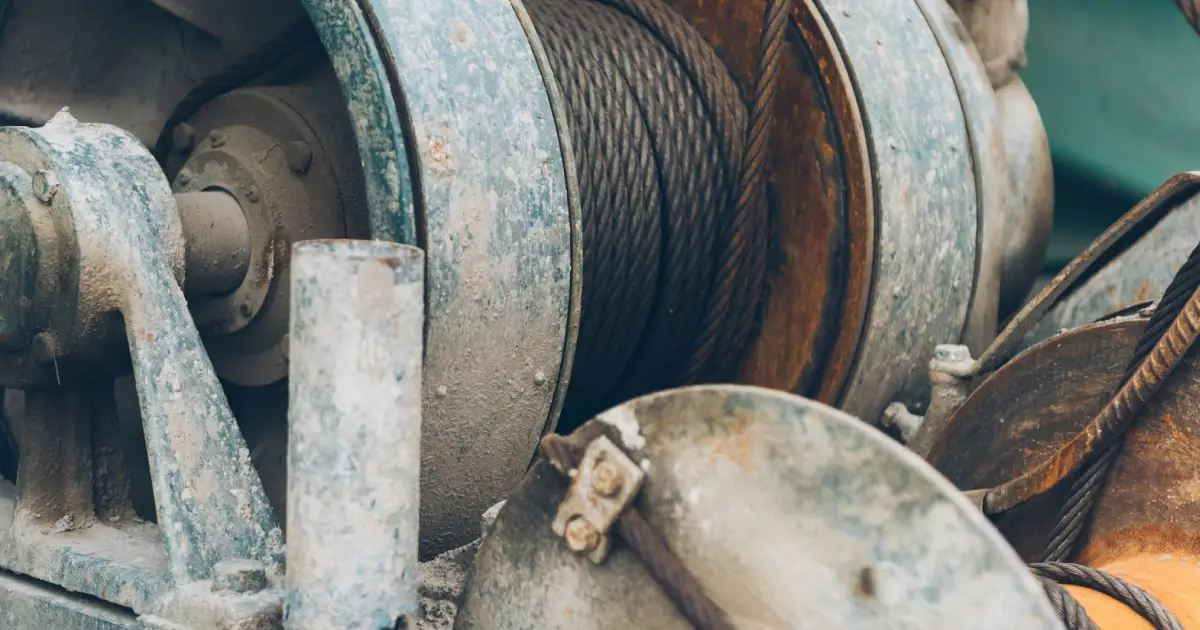
Marine generators form the core of onboard electrical systems, providing power for navigation, safety equipment, and essential operations at sea. However, the corrosion of marine generator winding is one of the most underestimated threats that can affect their reliability. Corrosion is like a silent failure mechanism, as it gradually damages the insulation and conductors without showing any visible signs in its initial stages. Eventually, it leads to a sudden breakdown, causing operations to stop.
If you have experienced insulation failures without any apparent reason or had to repeatedly deal with winding problems, then this article will definitely help you.
The marine environment is one of the most aggressive ones on the planet. Marine units, as opposed to land-based generators, are exposed to moisture, salt, laden air, and temperature variations almost constantly.
Key Causes of Corrosion in Marine Generator Windings
The result is that the factors listed above accelerate the corrosion process of the marine generator windings to such an extent that they corrode even in those units which look mechanically sound.
Corrosion is far from being just a surface issue. It undermines the true threat when it deteriorates electrical integrity.
The most dangerous aspect? Corrosion often progresses quietly until the damage is already critical.
Expert technicians know that generators often send subtle warnings rather than failing without warning.
Watch out for:
Spotting problems fast avoids expensive repairs later.
Effective marine generator preventive maintenance is basically a proactive approach rather than a reactive one. The primary objective is to keep moisture at bay, minimise the exposure to corrosive agents, and continuously assess the condition of the winding.
1. Moisture Control and Ventilation
2. Regular Electrical Testing
3. Periodic Visual and Internal Inspections
4. Protective Treatments and Coatings
Modern maintenance techniques go beyond standard inspections. Engineers can make data-driven, well-informed decisions thanks to corrosion monitoring and control.
This includes:
Reliability is a necessity for operational safety in marine operations.
Subtle at first, corrosion hides in plain sight yet tiny signs appear if you look closely. When early symptoms are ignored, a routine maintenance task frequently becomes an emergency repair at sea.
Teams that prioritise marine generator maintenance with a corrosion-focused mindset can:
Marine generator winding corrosion is not inevitable, but it is predictable. The correct preventive measure depends on such factors as the nature of the operating environment, the load method, the state of the insulation, and the extent of exposure to moisture and salt. The most important thing is finding the root cause at an early stage and fixing it before the corrosion results in a breakdown.
Daniel Group, with its many years of experience and fully equipped in-house facilities, does not rely on assumptions or generic checklists. Our professionals use a practical, problem-solving approach to corrosion assessment, monitoring, and preventive maintenance, ensuring your marine generators operate reliably and safely.
Dont let insulation failure be your next overhaul. Review your preventive maintenance (PM) plan, add corrosion monitoring whenever possible, and make sure your generators are not only protected but that they are protected well before the point of critical corrosion. Daniel Group can help you get clarity and take the right corrective action before corrosion takes control.