Author: Daniel Group
February 3rd, 2026
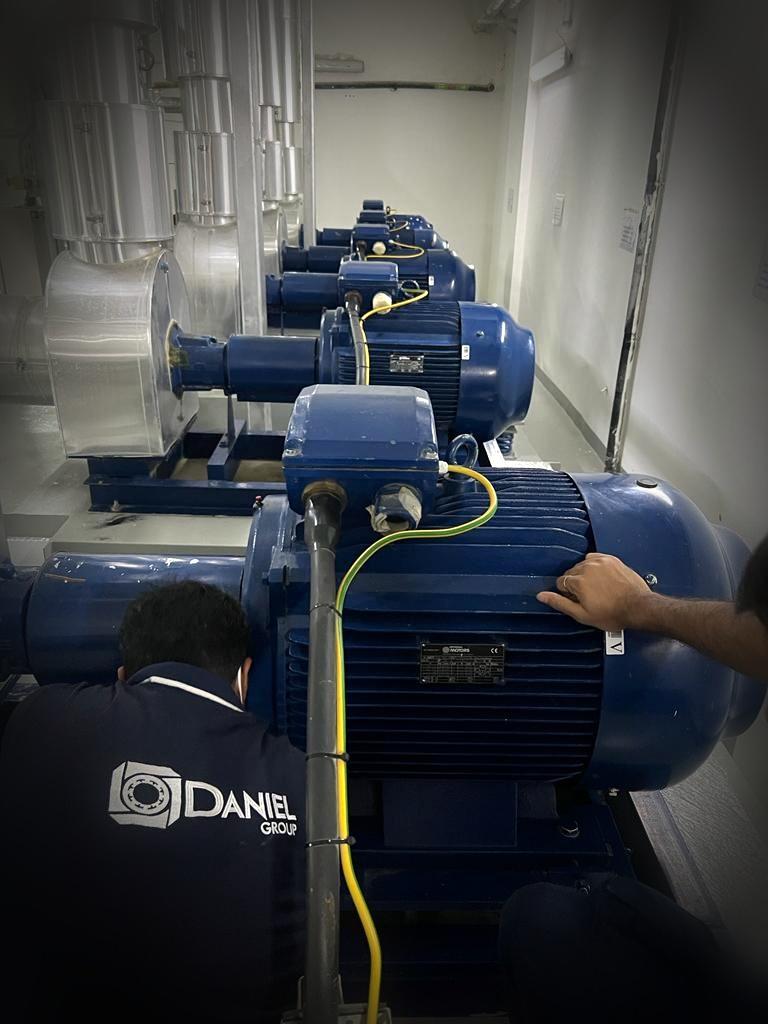
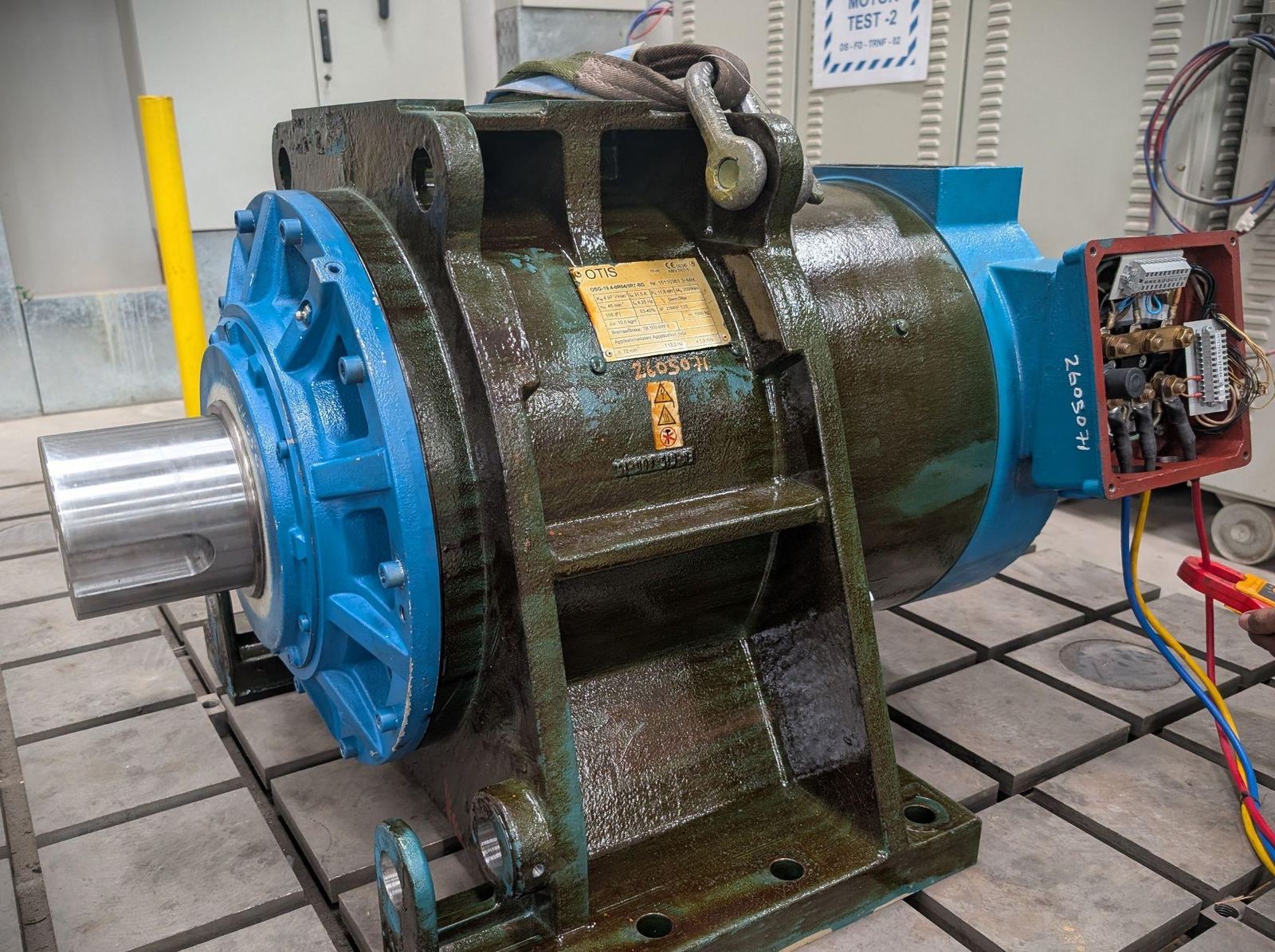
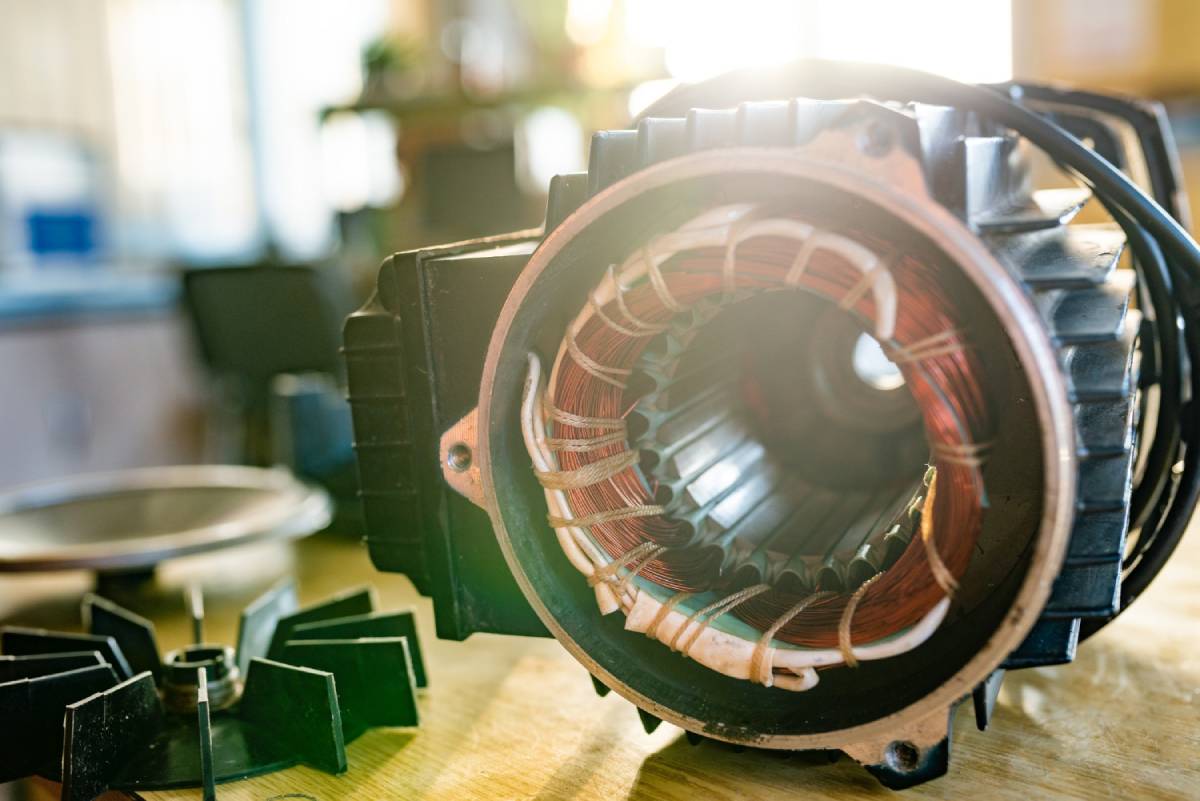
Electric motors form the foundation of almost all industrial operations. They are the ones that provide power to pumps, compressors, conveyors, fans, and a great number of other processes. However, the truth is that the majority of motor failures do not occur overnight. Most of the time, they are a result of the gradual degradation of the motor caused by heat, contamination, vibration, misalignment, or poor electrical conditions. Hence, a preventive maintenance checklist for electric motors is not merely a good idea but a necessity for ensuring equipment uptime, safety, and cost control.
This guide is aimed at maintenance engineers, plant technicians, and workshop supervisors who are looking for a straightforward, practical method of preventive maintenance on electric motors rather than a theoretical one.
The cost of reactive maintenance is high. Production losses, damage to secondary equipment, safety hazards, and emergency repair expenses are all consequences of unplanned motor failures.
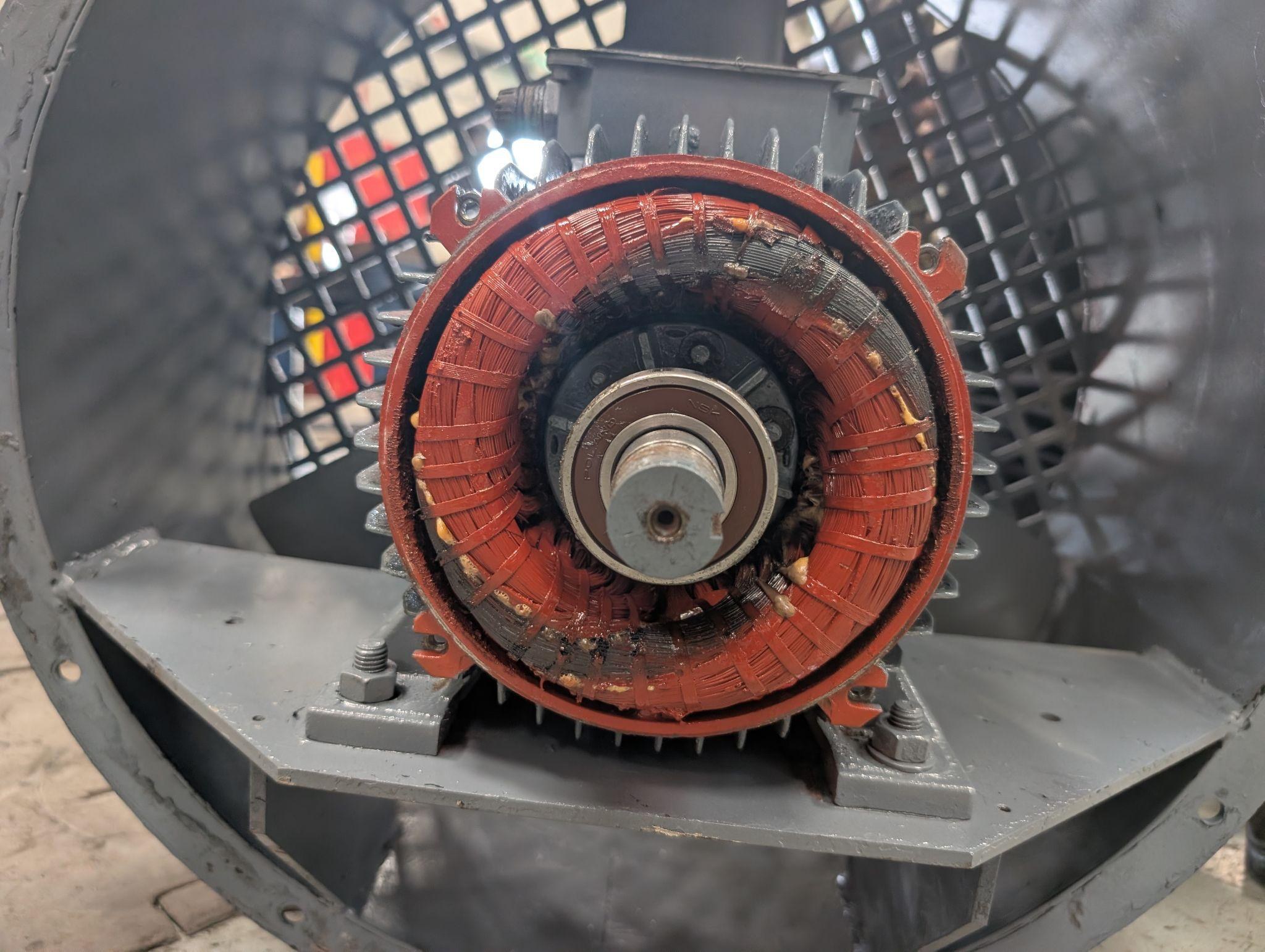
Visual inspections not only provide one of the fastest ways to identify problems but are also very effective. A lot of failures in electric motors are often preceded by physical signs. During visual inspection, it is essential to first look and check for the following:
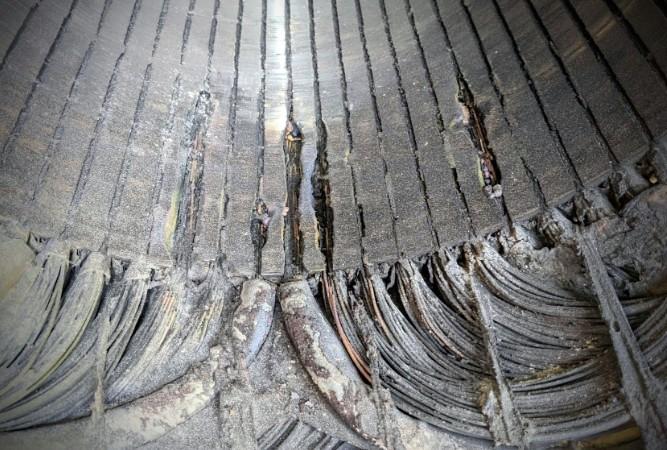
One of the main reasons for motor failure is electrical stress. Electrical inspection is an essential part of preventive maintenance for electric motors.
Items on the checklist:
Bearings are the main culprit for a high percentage of motor breakdowns. Incorrect lubrication methods can lead to even greater damage than not lubricating at all.
Maintenance to avoid breakdowns of electric motors should consist of:
Misalignment increases vibration, energy consumption, and bearing wear. Alignment should be examined not only during failures but also after major repairs, relocations, or motor installations.
Check and confirm:
Electric motors depend on adequate cooling to work efficiently. If the airflow is blocked, it dries up the life of the motor.
Maintenance of electric motors must comprise:
Fluctuations in sound or vibration can serve as a warning of failure even before a visual confirmation can be made. Watch out for signs such as:
Some advanced plants rely on:
Sound and vibration changes are common indicators that can be seen or heard well before the component fails. Motors usually do not just break up by themselves; the conditions under which they are working have a significant impact. An over, sized or under, sized motor will both generate inefficiency and wear out prematurely.
Keep an eye on:
Preventive maintenance can only be successful if it is monitored. Don’t wait for equipment failure to react. Data, driven maintenance makes it possible for you to anticipate them.
Maintain records of:
Change the frequency of activities considering the importance of the motor and its working environment.
A structured preventive maintenance routine gives you that control, shifting your team from reactive fixes to planned reliability. But effective maintenance doesn’t stop at checklists alone. It also depends on making the right technical decisions at the right time—from alignment and lubrication to vibration analysis and balancing.
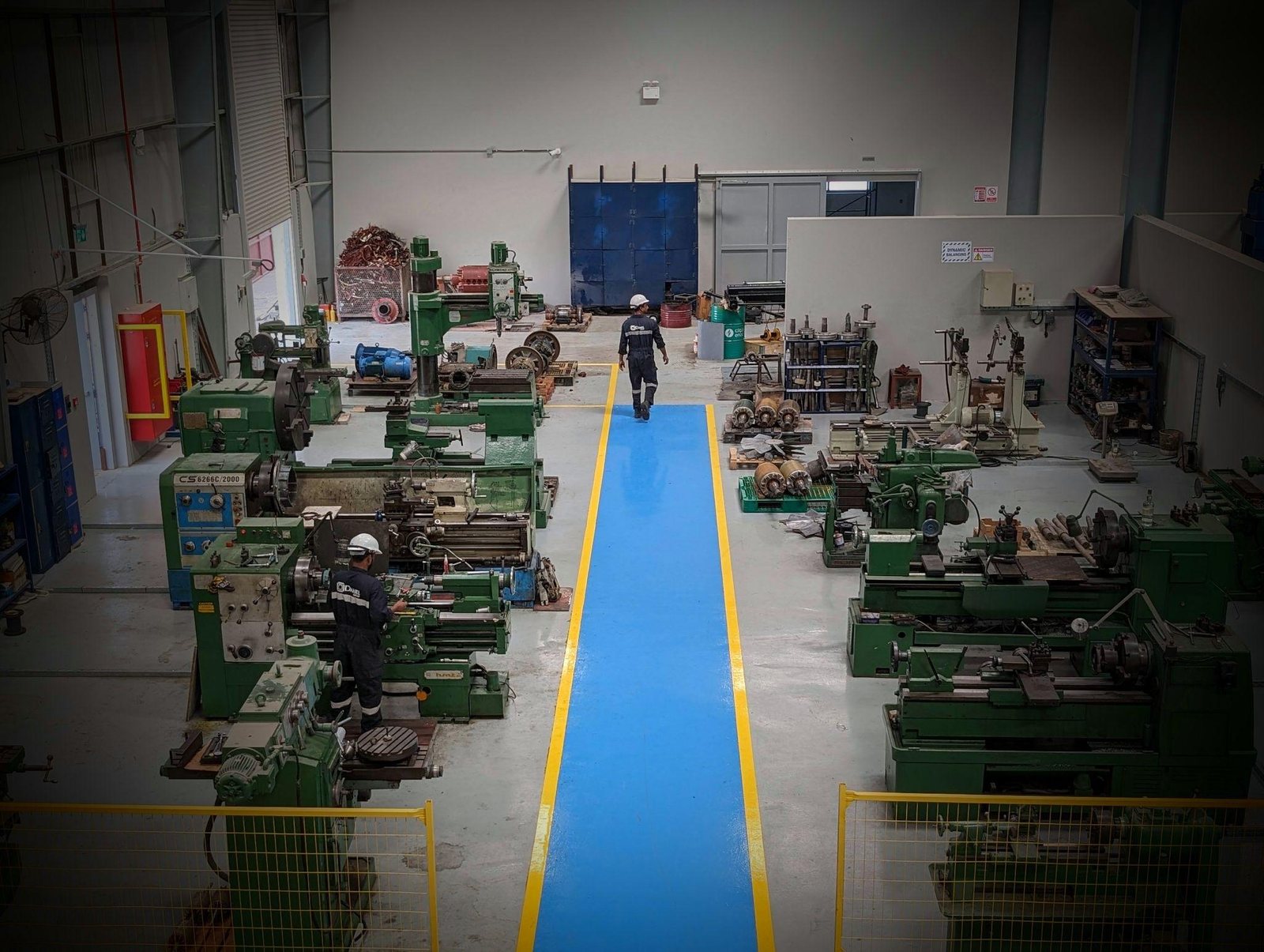
Whether your motors are showing early signs of vibration, operating under variable forces, or you’re proactively scheduling preventive maintenance, Daniel Group’s experts dig into the core of the issue. The goal is simple: ensure seamless motor operation, optimal performance, and extended service life.
If strengthening your preventive maintenance strategy is part of your plans and you want to completely remove guesswork, then get in touch with Daniel Group. Experience clarity, professional advice, and customised solutions based on the real conditions of your equipment, well in time before small problems become big machine failures.